
Liquid Fish Fertilizer for Tomato Seedlings: 6 Pro Growing Tips
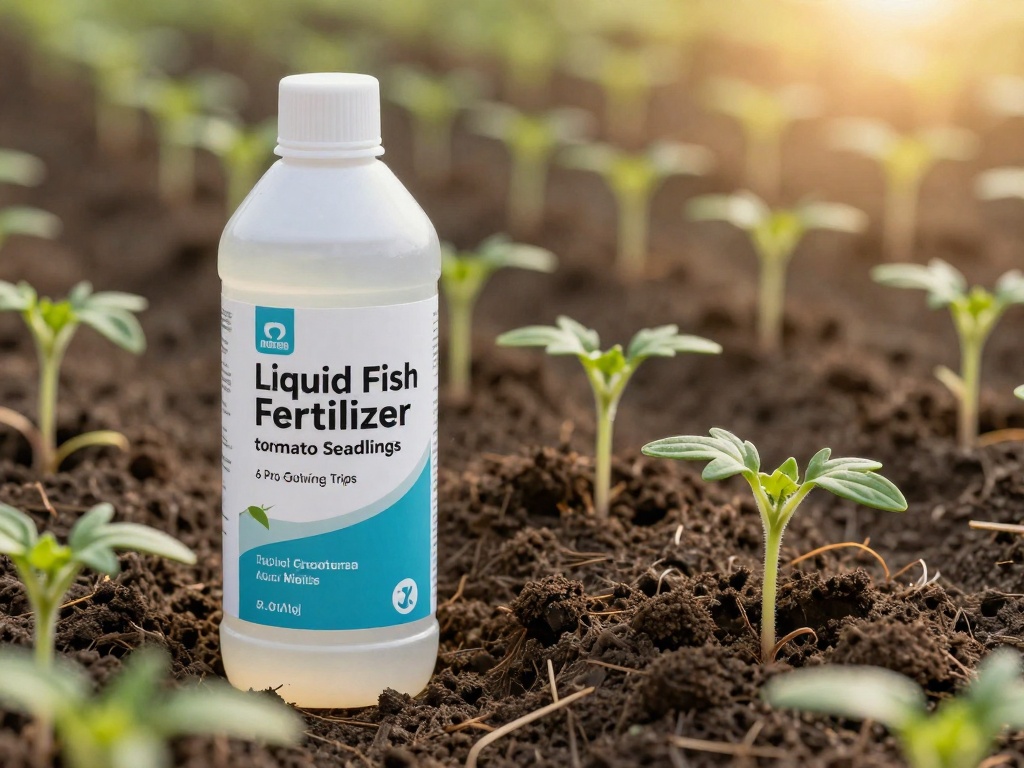
Liquid Fish Fertilizer for Tomato Seedlings: 6 Pro Growing Tips
Tomato seedlings are among the most popular garden starts, but their delicate root systems need gentle, balanced nutrition to thrive. Liquid fish fertilizer for tomato seedlings is a top-rated organic option that delivers mild, readily available nutrients without burning young plants. Note that it has a mild fishy odor that dissipates within a few hours, making it safe for indoor seedling starts. Whether you’re growing tomatoes indoors on a windowsill or in a greenhouse, this guide will teach you everything you need to use this fertilizer effectively.
What Is Liquid Fish Fertilizer for Tomato Seedlings?
Liquid fish fertilizer, also called fish emulsion or hydrolysate, is made from processed fish waste (including bones, skin, and offal) that’s broken down into a concentrated liquid solution. According to the University of Maine Cooperative Extension, this fertilizer is rich in nitrogen, phosphorus, potassium, and micronutrients like iron and zinc, making it ideal for fast-growing young plants.
Why It’s Perfect for Delicate Tomato Seedlings
Unlike synthetic granular fertilizers, liquid fish fertilizer dissolves quickly in water, so nutrients are released immediately without building up in the soil. This gentle formula won’t scorch tender tomato seedling roots, which are easily damaged by harsh chemicals or concentrated fertilizers.
Key Benefits of Using Liquid Fish Fertilizer for Tomato Seedlings
Adding liquid fish fertilizer to your tomato seedling care routine offers four core advantages that set it apart from other fertilizer types.
- Gentle Nutrient Delivery: The diluted liquid formula feeds seedlings without overwhelming their fragile root systems.
- Boosts Root Development: Phosphorus in the fertilizer supports strong root growth, which helps seedlings survive transplanting into the garden.
- Reduces Transplant Shock: Seedlings fed with liquid fish fertilizer during the seedling stage are better able to handle the stress of being moved outdoors.
- Supports Disease Resistance: Micronutrients in the formula help strengthen cell walls, making seedlings less prone to common fungal issues like damping off.
6 Pro Tips for Applying Liquid Fish Fertilizer to Tomato Seedlings
Follow these expert tips to get the most out of your liquid fish fertilizer and grow the healthiest tomato seedlings possible.
1. Dilute to Half the Recommended Strength
Even though liquid fish fertilizer is gentle, always cut the label’s suggested concentration by 50% for tomato seedlings. A standard mix for mature plants is 1 tablespoon of concentrated fertilizer per gallon of water, but use just ½ tablespoon per gallon for young seedlings to avoid nutrient burn.
2. Apply Only to Moist Soil
Never apply liquid fish fertilizer to dry soil, as concentrated nutrients can damage delicate root hairs. Water your seedlings thoroughly 1 to 2 hours before fertilizing to ensure the soil is evenly moist.
3. Wait Until True Leaves Emerge
Don’t fertilize tomato seedlings until their first true leaves (the second set of leaves, which look like miniature tomato leaves) have fully developed. The initial cotyledon leaves don’t need extra nutrients, and fertilizing too early can cause leggy, weak growth.
4. Skip Foliar Feeding Young Seedlings
While liquid fish fertilizer can be used as a foliar spray on mature plants, avoid this step for tomato seedlings. Foliar applications can clog tiny seedling stomata and lead to fungal growth on delicate foliage.
5. Stick to a 1-2 Week Application Schedule
Apply diluted liquid fish fertilizer every 1 to 2 weeks during the seedling stage, starting once true leaves appear. Stop fertilizing 1 week before transplanting your seedlings into the garden to let the soil adjust naturally.
6. Pair With Compost Tea for Extra Boost
For more vigorous seedlings, mix a small amount of compost tea into your diluted liquid fish fertilizer solution. This adds beneficial microbes that improve soil health and nutrient uptake for your tomato plants.

Common Mistakes to Avoid With Liquid Fish Fertilizer for Tomato Seedlings
Even experienced gardeners sometimes make avoidable errors when using liquid fish fertilizer on tomato seedlings. Here are the most common issues to watch for:
- Over-Fertilizing: Applying fertilizer too often or at full strength can lead to salt buildup in the soil, which stunts seedling growth and causes brown, crispy leaf tips.
- Using Unprocessed Fish Waste: Never use raw fish scraps or undiluted fish emulsion directly on seedlings, as this can attract pests and burn fragile roots.
- Fertilizing Stressed Seedlings: If your seedlings are wilted or showing signs of stress, hold off on fertilizing until they recover, as added nutrients will only increase their stress levels.
Frequently Asked Questions About Liquid Fish Fertilizer for Tomato Seedlings
Can I use liquid fish fertilizer immediately after tomato seedlings germinate?
No, wait 2 to 3 weeks after germination, once your seedlings have developed their first true leaves, before applying any fertilizer. This gives the initial cotyledon leaves time to provide initial nutrients without external support.
Is liquid fish fertilizer approved for organic tomato gardening?
Yes, most certified organic liquid fish fertilizers meet USDA National Organic Program standards, as they’re made from sustainable fish waste and contain no synthetic chemicals. Always check the product label to confirm it’s certified organic before purchasing.
How long does liquid fish fertilizer stay effective in the soil?
Diluted liquid fish fertilizer breaks down in soil within 1 to 2 weeks, so you’ll need to reapply every 1 to 2 weeks to maintain consistent nutrient levels for your seedlings.
Final Thoughts
Liquid fish fertilizer for tomato seedlings is a gentle, effective, and sustainable choice for growing strong, healthy transplants that will produce abundant tomatoes all season long. By following these pro tips and avoiding common mistakes, you can give your tomato seedlings the exact nutrients they need to thrive. Whether you’re a beginner or seasoned gardener, this fertilizer is a reliable addition to your seedling care routine.
No comments