
Sunflower Pest Barrier for Vegetable Gardens: 7 Proven Tips
Sunflower Pest Barrier for Vegetable Gardens: 7 Proven Tips
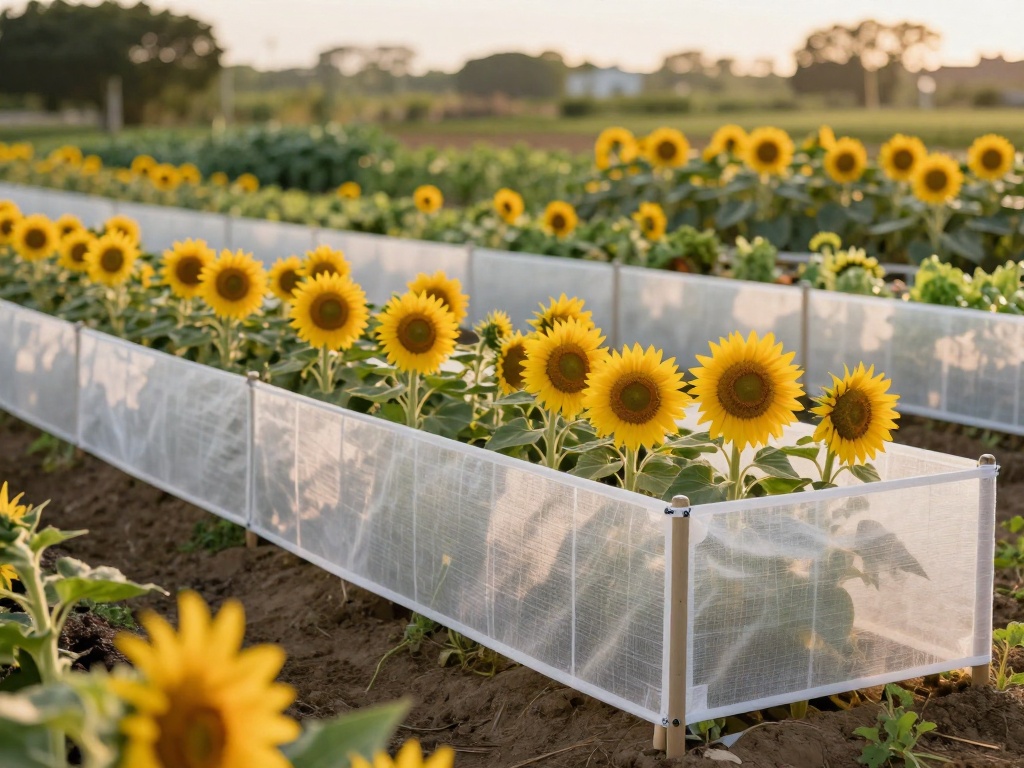
A sunflower pest barrier for vegetable gardens is a simple, organic companion planting tactic that uses tall or dwarf sunflowers as a living border to repel pests, block flying insects, and attract beneficial garden wildlife. Unlike chemical pesticides, this natural solution supports a healthy garden ecosystem while protecting your tomato, squash, and leafy green crops.
What Is a Sunflower Pest Barrier for Vegetable Gardens?
Essentially, a sunflower pest barrier is a row of sunflowers planted around the perimeter of your vegetable garden. The plants serve two key purposes: first, a physical barrier that blocks flying pests from reaching your crops, and second, a natural pest deterrent that repels or traps common garden insects. Sunflowers are particularly effective because they are low-maintenance, fast-growing, and compatible with nearly all vegetable crops.
5 Key Benefits of Using Sunflowers as a Garden Pest Barrier
Repels Common Vegetable Pests
Research from the University of California Master Gardeners Program notes that sunflowers repel or trap a range of harmful garden pests, including aphids, Japanese beetles, potato leafhoppers, and squash bugs. Their foliage and stems release mild natural compounds that deter some insects, while their bright blooms attract pests that can then be targeted by beneficial garden predators.
Attracts Beneficial Pollinators and Predators
Sunflower nectar and pollen are a favorite food source for honeybees, bumblebees, butterflies, ladybugs, and lacewings. These beneficial insects not only pollinate your vegetable crops but also eat harmful garden pests, creating a self-sustaining pest control system in your garden.
Low Maintenance and Cost-Effective
Sunflowers are drought-tolerant, easy to grow from seed, and require minimal fertilization once established. You can save money by harvesting sunflower seeds for future plantings, turning your pest barrier into a dual-purpose garden feature.
Boosts Soil Health
Sunflowers have deep, taproot systems that break up compacted soil, pull nutrients from deep subsoil layers, and add organic matter to the soil when their fallen leaves and stems decompose. Some varieties also act as mineral accumulators, pulling potassium and phosphorus into the topsoil for your vegetable plants to use.
Adds Vertical Beauty to Your Garden
Beyond their pest control benefits, tall sunflower varieties like Mammoth or Russian Giant add striking vertical interest to your garden landscape. You can also use dwarf sunflower varieties to create a colorful, low-growing border without shading your vegetable crops.
7 Step-by-Step Tips to Set Up a Sunflower Pest Barrier
Choose the Right Sunflower Variety
Pick tall sunflower varieties (6-12 feet tall) for full-sized in-ground gardens to create a robust physical barrier. For small raised beds or container gardens, opt for dwarf varieties (1-3 feet tall) like Teddy Bear or Elf to avoid shading your vegetables.
Plant Sunflowers at the Correct Spacing
Plant sunflower seeds 12-18 inches apart in a single row around the perimeter of your vegetable garden. Sow seeds 1-2 inches deep, and plant them 2-3 weeks before your vegetable transplant or seeding date to give sunflowers time to establish fully.
Place the Barrier Strategically
Plant your sunflower border on the north or west side of your vegetable bed. This placement ensures sunflowers won’t block morning sunlight, while also shielding tender vegetable crops from intense afternoon heat in warm climates.
Water and Fertilize Sparingly
Water sunflower seeds regularly until they germinate, then reduce watering to once weekly once plants are established. Avoid over-fertilizing with nitrogen-rich products, as this will encourage lush foliage instead of flower production, reducing the barrier’s pest-fighting effectiveness.
Monitor Sunflowers for Pest Traps
Since sunflowers act as a trap crop, check their foliage regularly for aphids, Japanese beetles, and other pests. You can either remove these pests by hand or let beneficial insects like ladybugs handle the infestation naturally.
Cut Back or Leave Seed Heads as Needed
Once sunflowers finish blooming, you can leave the seed heads for wild birds to enjoy, or cut them back to free up space for your growing vegetable plants. Cutting back sunflowers also prevents pest buildup from spreading to your vegetable beds.
Rotate Your Sunflower Barrier Each Year
Avoid planting sunflowers in the same spot every year to prevent soil-borne diseases and pest populations from building up in your garden border. Rotate the barrier to a new section of your yard each growing season.
Common Mistakes to Avoid
One of the biggest mistakes is planting too few sunflowers, which creates gaps in the barrier and allows pests to reach your vegetables. Another common error is planting sunflowers too close to your vegetable crops, which can lead to competition for nutrients and sunlight. Finally, avoid using hybrid sunflower varieties that have been treated with pesticides, as this will harm beneficial insects and negate the organic benefits of your pest barrier.
Frequently Asked Questions About Sunflower Pest Barriers
Do sunflower pest barriers work for all vegetable gardens?
Yes, sunflower pest barriers work for nearly all vegetable garden setups, including in-ground beds, raised beds, and container gardens. They are most effective for crops prone to aphids, Japanese beetles, and squash bugs, but pair them with other organic pest control methods for full protection against a wider range of pests.
Can I use dwarf sunflowers for a small vegetable garden?
Absolutely. Dwarf sunflower varieties like Teddy Bear, Elf, and Pacino grow just 1-3 feet tall, making them perfect for small raised beds or container gardens. They create a compact pest barrier without shading your delicate vegetable seedlings.
Will sunflowers attract deer to my vegetable garden?
Sunflowers are relatively deer-resistant, thanks to their tough, bitter foliage. However, deer may target mature sunflower seed heads, so you can cover seed heads with lightweight netting if deer are a common pest in your area.
No comments