
Row Cover Usage for Cabbage Pest Control: 2024’s 7 Proven Tips
Row Cover Usage for Cabbage Pest Control: 2024’s 7 Proven Tips
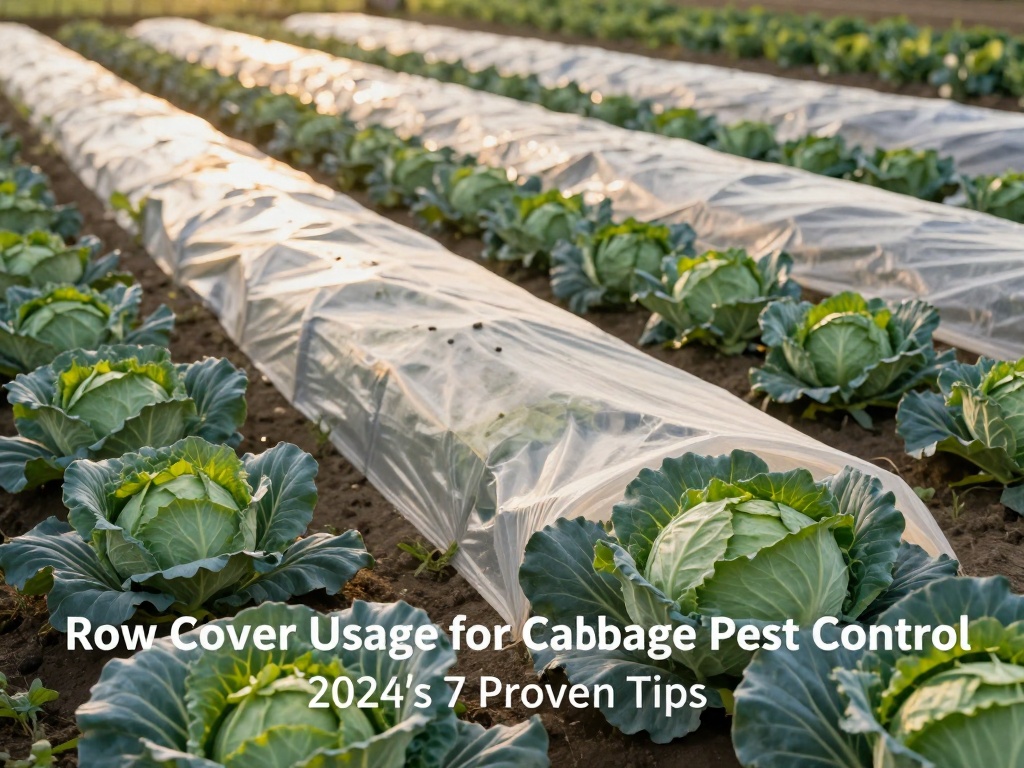
Row cover usage for cabbage pest control is one of the most effective organic strategies to shield brassica crops from destructive insects that ruin yields, according to the University of Minnesota Extension. Cabbage is targeted by common pests like cabbage moths, aphids, flea beetles, and root maggots, all of which can reduce harvests by up to 70% if left unmanaged. Unlike synthetic pesticides, floating row covers create a physical barrier that keeps pests out without harming beneficial insects or leaving chemical residues on produce.
Why Row Covers Outperform Other Cabbage Pest Control Methods
Key Pests Row Covers Block From Accessing Cabbage Crops
Floating row covers are lightweight, permeable fabrics that let sunlight, water, and air reach cabbage plants while blocking pest entry. The most common cabbage pests they stop include imported cabbageworms, diamondback moths, cabbage aphids, and flea beetles, per the USDA Sustainable Agriculture Research and Education (SARE) program. These pests lay eggs on cabbage leaves, leading to larvae that tunnel into heads and render them unmarketable.
Low-Cost, Organic Benefits for Gardeners and Commercial Growers
Unlike repeated pesticide applications that cost $25-$50 per acre per season, a single high-quality row cover can be reused for 3-5 growing seasons, bringing annual costs down to less than $10 per acre. Row covers also offer secondary benefits, including light frost protection for early spring plantings and reduced soil water loss, boosting overall crop resilience. This makes them a great fit for both backyard gardeners and mid-scale commercial vegetable operations.
7 Step-by-Step Best Practices for Row Cover Usage for Cabbage Pest Control
- 1. Install covers immediately after planting: Don’t wait to set up row covers, as cabbage moths can find young seedlings within 48 hours of seeding or transplanting. Seal the edges of the cover with soil, landscape staples, or weighted sandbags to eliminate gaps that pests can slip through.
- 2. Choose the right fabric weight for your growing zone: Use a 0.5-oz lightweight fabric for summer pest control, which allows 85% of sunlight to reach maturing plants. For early spring plantings that need frost protection, opt for a 1.5-oz heavyweight fabric that can withstand temperatures as low as 28°F.
- 3. Leave enough slack for cabbage growth: Full-sized cabbage heads can grow up to 10 pounds and spread 2 feet wide, so leave 2-3 feet of slack between young plants and the row cover. Taut fabric can rub against developing heads, cause damage, or create gaps that let pests enter.
- 4. Ventilate covers during extreme heat: Temperatures under row covers can be 5-10°F higher than ambient air, so lift the edges on days exceeding 85°F to prevent heat stress that can split cabbage heads or stunt growth. This step won’t compromise pest control as long as you re-seal the edges the same day.
- 5. Inspect under covers weekly for issues: Check for aphid colonies that can establish inside covers if they hitched a ride on transplants, as well as signs of fungal rot from excess moisture. Remove any affected plants immediately to stop spread to the rest of your crop.
- 6. Remove covers 10 days before harvest for spring plantings: For summer-harvested cabbage, remove covers once heads start to firm up to allow full air circulation and prevent rot. For overwintering cabbage, you can leave covers up to add extra frost protection through cold months.
- 7. Clean and store covers properly between seasons: Brush off all soil and plant debris, then wash covers with a mild bleach solution to kill any overwintering pest eggs or fungal spores. Fold and store covers in a cool, dry place to extend their usable life to 5 years, per University of Illinois Extension guidelines.
Frequently Asked Questions
Can row covers be paired with other organic pest control methods?
Yes, row covers work seamlessly with other cabbage pest management strategies, including companion planting marigolds to repel aphids and Bt (Bacillus thuringiensis) sprays if you detect cabbageworm larvae under your cover. You can lift covers to apply any organic input, then re-seal them immediately to maintain the pest barrier.
Do row blocks prevent cabbage from being pollinated?
No, cabbage is a biennial crop that only flowers and produces seeds in its second growing season. Most growers harvest cabbage heads in the first year, so pollination is never required. If you are saving cabbage seeds, simply remove covers during the second year’s flowering period to give pollinators access.
What is the most common mistake new growers make with row covers?
Per SARE’s research, the top mistake is failing to seal the edges of row covers completely. Even a 1-inch gap along the base of a cover can let dozens of cabbage moths enter to lay eggs, rendering the entire barrier useless. Always check edges weekly to ensure they stay sealed through wind and rain events.
When used correctly, row cover usage for cabbage pest control delivers consistent, long-term results that support sustainable, high-yield cabbage production. By following these 7 proven tips, you can reduce pest pressure, cut input costs, and grow healthier cabbage crops year after year.
No comments