
2024 Guide: Gypsum Soil Amendment for Compacted Farm Fields to Boost Yields
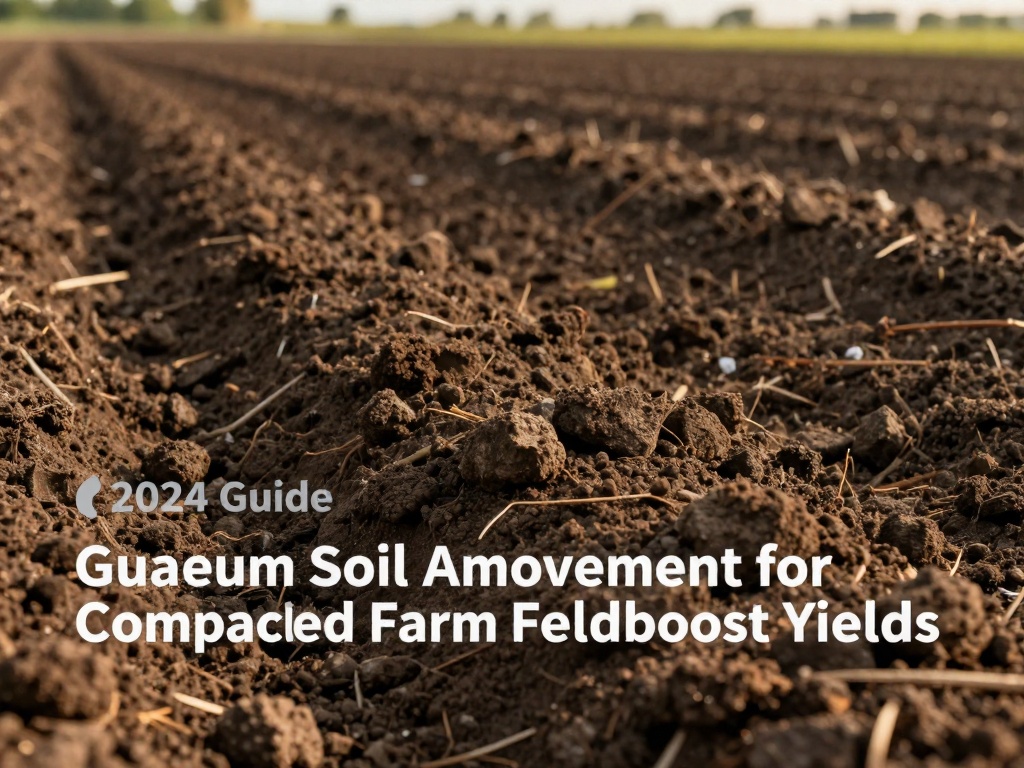
2024 Guide: Gypsum Soil Amendment for Compacted Farm Fields to Boost Crop Yields
Compacted farm soil robs commercial growers of up to 60% of potential crop yields, according to the USDA Natural Resources Conservation Service (NRCS). Gypsum soil amendment for compacted farm fields is a proven, sustainable solution to reverse years of heavy machinery traffic and over-tilling damage. Unlike lime, gypsum improves soil structure without altering soil pH, making it safe for nearly all common row and specialty crop types.
What Causes Soil Compaction on Commercial Farms?
Soil compaction occurs when soil particles are pressed together, reducing pore space that holds air and water for root growth. This issue has grown more common as farm equipment sizes increase to cover more acreage in less time. Even well-managed fields can develop hardpan layers 6 to 18 inches below the surface that block root penetration and water movement.
Top 3 Common Compaction Triggers
- Repeated heavy machinery traffic along the same field rows, creating permanent compaction lanes
- Over-tilling and excessive annual tillage that breaks down natural soil aggregates
- Low organic matter levels in clay-heavy soils, which lack structure to resist compression
How Gypsum Fixes Compacted Farm Soil
Gypsum, or calcium sulfate, works by flocculating small clay particles into larger, stable clusters. This process creates critical pore space in compacted layers, allowing roots to grow deeper and water to infiltrate instead of running off the field surface. Ohio State University Extension’s 2023 soil health report found gypsum reduces surface compaction by 35% in high-clay fields within 18 months of application.
Key Benefits of Gypsum Over Other Amendments
- Does not alter soil pH, so it works for acid-loving and alkali-preferring crops alike
- Boosts water infiltration by 50% on average, per NRCS field tests, reducing flood risk
- Cuts nitrogen and phosphorus runoff by 40%, protecting local waterways and improving fertilizer efficiency
- Adds usable sulfur and calcium to soil, supporting crop cell development and disease resistance
How to Apply Gypsum to Your Compacted Fields
Successful gypsum application relies on aligning rates and timing with your field’s unique soil conditions. Improper application wastes input costs and delays the benefits of compaction relief. Follow these extension-backed steps for best results.
Step 1: Conduct a Full Soil Test First
Start with a professional soil test from your local county extension office to confirm compaction, measure existing calcium and sulfur levels, and rule out other soil health issues. Never apply gypsum as a one-size-fits-all fix without testing, as sandy soils rarely need additional calcium sulfate.
Step 2: Calculate the Correct Application Rate
For moderately compacted fields, apply 1 to 2 tons of granular gypsum per acre. For severely compacted fields with a confirmed hardpan layer, apply 2 to 3 tons per acre, per University of Minnesota Extension guidelines. Reapply every 2 to 3 years to maintain soil structure benefits.
Step 3: Time Your Application for Maximum Impact
Broadcast granular gypsum in the fall or early spring before planting. No deep incorporation is required; rainfall or irrigation will move the calcium sulfate into the root zone over 4 to 6 weeks. Gypsum can be applied alongside other fertilizer or seed treatments to save on equipment passes.
Frequently Asked Questions
Is gypsum approved for use in certified organic farming?
Yes, the USDA lists gypsum as an approved input for certified organic operations. It is a naturally mined mineral that does not introduce synthetic chemicals to soil or crop systems, making it compliant with organic standards.
How long does it take for gypsum to work on compacted soil?
Most growers see measurable improvements in drainage and early-season root growth within the first growing season after application. Full relief of moderate compaction typically occurs within 18 to 24 months, with benefits lasting 3 to 5 years.
Can over-applying gypsum damage my farm’s soil?
Over-application is rare but can cause imbalanced sulfur levels that interfere with micronutrient uptake for crops like corn and soybeans. Annual soil testing ensures you only apply the amount of gypsum your field needs, eliminating this risk.
No comments