
Soybean Seeding Rate for Sandy Soils: 2024 Proven Tips to Boost Yields
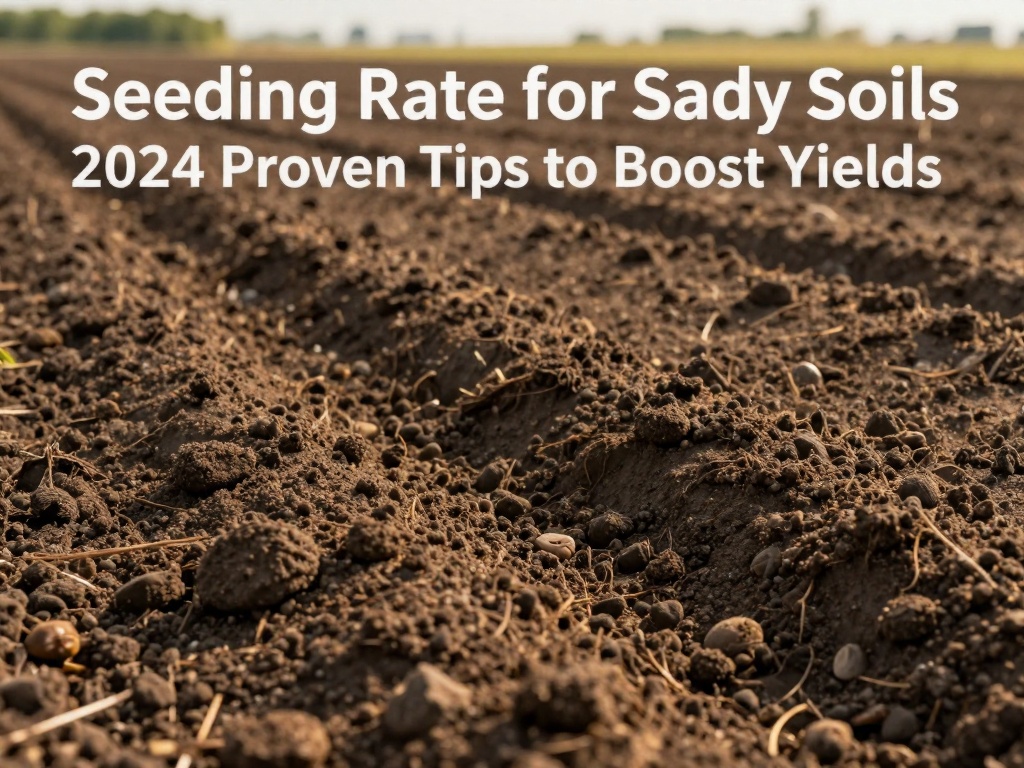
Soybean Seeding Rate for Sandy Soils: 2024 Proven Tips to Boost Yields
Getting the right soybean seeding rate for sandy soils is make-or-break for midwestern and coastal U.S. farmers, where low organic matter and poor water retention threaten annual crop yields. University of Illinois Extension data shows that sandy soils make up 15% of farmable acres across the Corn Belt, with unique limitations that generic seeding recommendations fail to address. This guide breaks down science-backed rates to help you avoid stand loss and maximize ROI.
Why Sandy Soils Require Unique Seeding Rates for Soybeans
Core Limitations of Sandy Soils for Soybean Production
Sandy soils have large, porous particles that drain water 3x faster than loam soils, per USDA Natural Resources Conservation Service (NRCS) data. They also hold 50% less nitrogen and organic matter, meaning emerging soybean seedlings face greater weed competition and higher drought stress early in the growing season. Generic seeding rates for loam soils often lead to thin stands that can’t compensate for these stressors.
How Seeding Rate Mitigates Sandy Soil Risks
Targeted seeding rates create a thicker canopy that shades out weeds, reduces soil evaporation, and limits wind erosion, a top threat for unprotected sandy acres. A 2023 Purdue University study found that optimized seeding rates on Indiana sandy soils increased soybean yields by 12% compared to standard loam-soil rates. The key is to avoid over-seeding, which triggers excessive vegetative growth and raises disease risk.
Science-Backed Optimal Seeding Rates for Sandy Soybean Acres
Irrigated Sandy Soils
If your sandy acres have access to irrigation, the recommended seeding rate ranges from 140,000 to 160,000 seeds per acre. University of Minnesota Extension testing found that this range balances stand density and resource access, as irrigated soils can support more plants without drought stress. This rate delivers canopy closure within 45 days of planting, cutting weed pressure by 30% in on-farm trials.
Rainfed (Non-Irrigated) Sandy Soils
For rainfed sandy soils that rely solely on natural rainfall, lower rates of 120,000 to 140,000 seeds per acre are ideal. This prevents overcrowding that would deplete limited soil moisture mid-growing season. A 2024 Iowa State University study found that rainfed sandy plots planted at 130,000 seeds per acre outyielded plots planted at 160,000 seeds per acre by 8 bushels per acre during a dry summer.
Adjustments for Maturity Group and Planting Date
Tweak rates based on your soybean maturity group and planting window to refine results. Early-planted soybeans (April to early May) on sandy soils can handle the upper end of the recommended rate range, as they have longer to mature and spread out root growth. Late-planted soybeans (after mid-June) require a 10% rate increase to compensate for shorter vegetative growth periods, per NRCS recommendations.
Additional Best Practices to Pair With Your Seeding Rate
Your seeding rate is only one piece of a successful sandy soil soybean plan. Pair these expert tips to maximize long-term returns:
- Plant cover crops: Cereal rye cover crops planted before soybeans improve sandy soil organic matter by 10% over three years, boosting water retention, per Penn State Extension.
- Use seed treatments: Fungicide and insecticide seed treatments protect young seedlings from damping-off disease, a common risk in fast-draining sandy soils.
- Adopt variable rate technology: Map your field’s soil texture to plant different seeding rates across low-lying, high-moisture sandy spots and well-drained hilltops.
Frequently Asked Questions
What happens if I plant too many soybeans on sandy soil?
Over-seeding on sandy soil leads to extreme competition for limited water and nutrients, resulting in stunted plants, lower pod counts, and increased risk of lodging during heavy winds. Rainfed acres see the most significant yield losses from over-seeding, especially in dry years.
Can I use the same seeding rate for sandy and loam soils?
No, standard seeding rates for loam soils (100,000 to 130,000 seeds per acre) are too low for most irrigated sandy soils, leading to thin stands that fail to suppress weeds and retain soil moisture. Always adjust rates based on your soil’s texture and water access.
Do seed treatments change the recommended soybean seeding rate for sandy soils?
Seed treatments reduce seedling mortality, so you can safely use the lower end of your recommended rate range if you invest in high-quality fungicide and insecticide treatments. This cuts input costs while maintaining a healthy, full stand of soybeans.
No comments