
Fall Rye Cover Crop for Vegetable Gardens: 2024 Essential Growing Tips
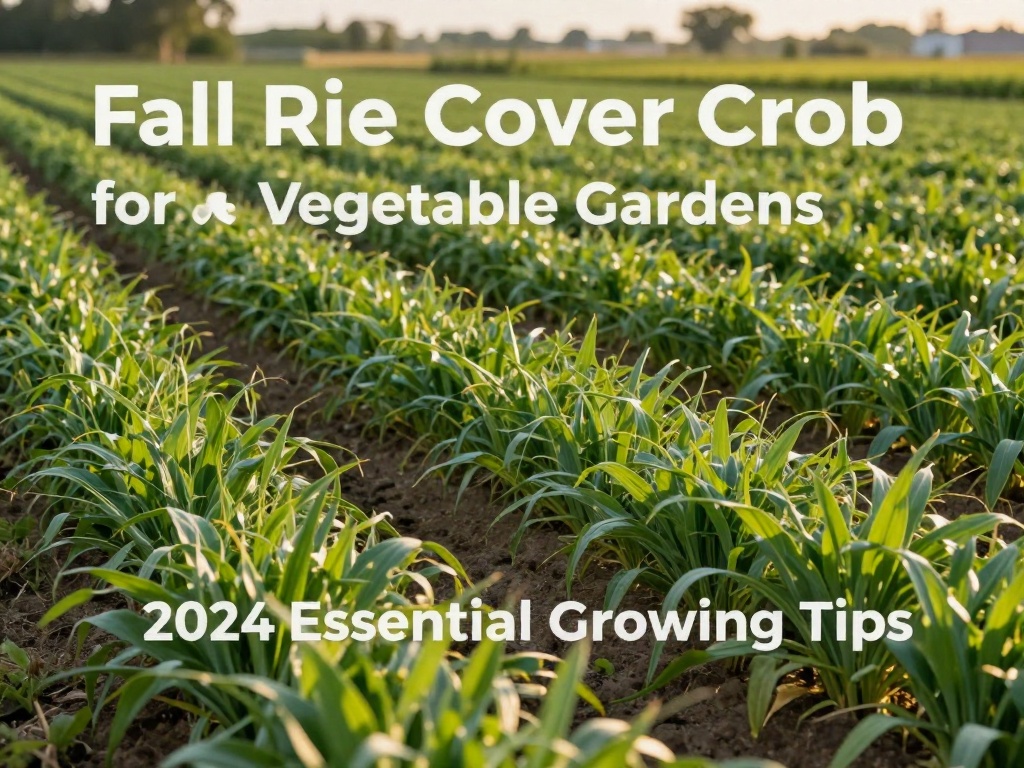
Fall Rye Cover Crop for Vegetable Gardens: 2024 Essential Growing Tips
The fall rye cover crop for vegetable gardens is one of the most accessible, high-impact winter protection tools for home and small-scale market gardeners. A hardy annual cereal grain, fall rye survives even harsh northern U.S. and Canadian winters, making it a versatile choice for most temperate growing zones. Unlike less resilient cover crops, it establishes quickly after late-fall vegetable harvests, locking in nutrients before winter rains can wash them away.
Core Benefits of Fall Rye for Vegetable Gardens
Proven Weed Suppression
Fall rye releases natural allelochemicals that inhibit the germination of common garden weeds like crabgrass, pigweed, and lambsquarters, per a 2023 University of Minnesota Extension study. This reduces the need for synthetic herbicides or hours of hand-weeding in the spring, saving gardeners time and money. For organic vegetable growers, this natural weed control is a game-changer for low-maintenance bed prep.
Enhanced Soil Health
Fall rye’s extensive root system can grow up to 5 feet deep, breaking up compacted soil in vegetable beds that have been trodden on or heavily tilled throughout the growing season. It also scavenges excess nitrogen and phosphorus left from spring fertilizer applications, storing those nutrients to release slowly as the rye decomposes in spring. This slow nutrient release feeds newly planted summer vegetables without the risk of nutrient burn.
Reduced Soil Erosion
Winter rains, wind, and freeze-thaw cycles can strip up to 2 inches of nutrient-dense topsoil from unprotected vegetable garden beds in a single season, according to USDA Natural Resources Conservation Service (NRCS) data. Fall rye’s dense above-ground foliage creates a protective mat that holds soil in place, while its deep root system binds soil particles together, cutting erosion risk by 90% compared to bare soil.
Step-by-Step Guide to Planting & Managing Fall Rye
Time Your Planting Correctly
Plant fall rye 2 to 4 weeks before your area’s first expected fall frost date to give it enough time to establish a 4 to 6 inch tall canopy before winter dormancy. For most zones 3 to 7, this falls between mid-September and late October, while gardeners in zones 8 and above can plant as late as mid-November. Avoid planting too early, as warm fall temperatures can cause rye to grow excessively before winter, leading to pest issues.
Follow Proper Seeding Rates
For home vegetable garden beds, broadcast 2 to 3 pounds of fall rye seed per 1,000 square feet of garden space. Rake the seed lightly into the top 1 to 2 inches of soil, and water lightly to encourage germination. For raised beds, stick to the lower end of the seeding rate to avoid overcrowding that can make spring termination difficult.
Terminate Rye Before Spring Planting
Kill fall rye 2 to 3 weeks before you plan to plant your spring vegetables, to allow the foliage to begin decomposing and to prevent the rye from competing with new plants. Organic gardeners can mow the rye close to the soil line and till the remnants into the top 6 inches of soil, or repurpose the cut foliage as mulch for new beds. Terminate rye before it forms seed heads to prevent it from regrowing as a volunteer weed.
Frequently Asked Questions
Can fall rye be planted in small raised bed vegetable gardens?
Yes, fall rye works perfectly in raised beds, as its deep roots prevent the soil compaction that often affects small, frequently used raised growing spaces. It also scavenges excess nutrients in raised beds, which can build up quickly from regular fertilization, preventing nutrient runoff when winter rains arrive.
Is fall rye the same as winter rye?
Yes, fall rye and winter rye are the same cereal grain (Secale cereale), named for its typical late-fall planting window that allows it to overwinter in most temperate growing zones. The terms are used interchangeably in most university extension and gardening resources.
Will fall rye attract unwanted pests to my vegetable garden?
When planted and terminated correctly, fall rye rarely attracts persistent pests that harm vegetable crops. Avoid letting rye grow too thickly or overwinter with excessive foliage, which can occasionally shelter voles. Terminating rye on schedule eliminates this risk entirely for most gardeners.
No comments