
7 Essential Silage Storage Tips for Small Beef Farms to Cut Feed Waste 2024
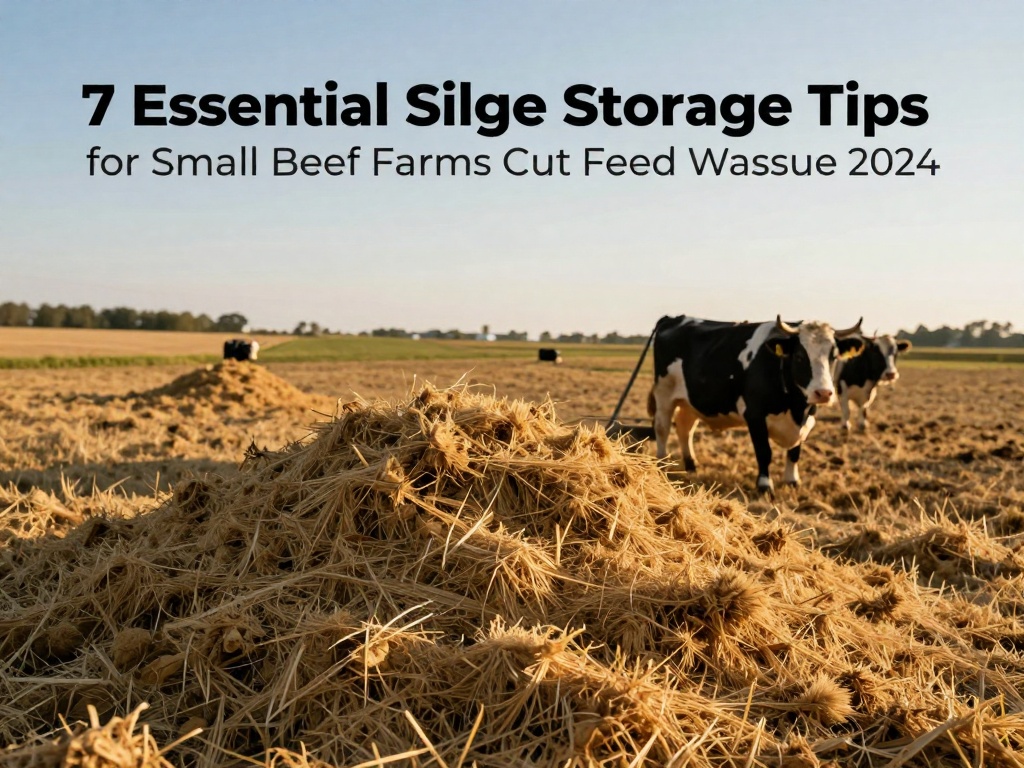
7 Essential Silage Storage Tips for Small Beef Farms to Cut Feed Waste 2024
Small beef farm owners rely on high-quality silage to keep their herds well-fed and profitable, but poor storage can erase those gains quickly. Our silage storage tips for small beef farms address the unique space and budget constraints these operations face, helping you avoid costly losses. USDA data estimates that 15-20% of all silage produced in the U.S. is lost to improper storage, a hit that small operations can rarely absorb.
Key Silage Storage Challenges for Small Beef Farms
Limited Storage Space
Unlike large commercial operations, most small beef farms lack dedicated silos or large concrete storage bays. Many use temporary pile storage, which is affordable but high-risk if not set up correctly. Smaller land footprints also limit options for ideal site placement, leading to common mistakes like storing silage in low-lying, wet areas.
Tight Equipment and Budget Limits
Small farms often operate with older or shared equipment, making it hard to achieve the dense packing that keeps silage fresh. Premium storage supplies may also seem out of reach, leading many to cut corners that cause spoilage. Even small gaps in planning can lead to thousands of dollars in lost feed and reduced herd performance over a year.
7 Proven Silage Storage Tips for Small Beef Farms
1. Select a Level, Well-Drained Storage Site
Pick a site that sits at least 2 feet above the surrounding ground to prevent rainwater from pooling under your silage pile. A 6-inch layer of gravel will add an extra moisture barrier, costing far less than a permanent concrete pad. Avoid low-lying areas that collect runoff, which is the top cause of silage mold in small operations.
2. Pack Your Pile Densely to Exclude Air
Even with smaller tractors, you can achieve adequate packing by adding silage in 6-inch layers and running over each layer 5-7 times. The University of Minnesota Extension found that well-packed silage reduces spoilage by 40% compared to loosely stacked piles. If you only have access to a light tractor, make your pile smaller to make consistent packing easier.
3. Cover With an Oxygen-Barrier Film Immediately
Skip the thin, low-cost plastic sheeting that tears easily and allows air to seep in. A 5mm oxygen-barrier film costs only $0.50 per ton of silage, per Penn State Extension, and reduces spoilage losses by 75% compared to traditional plastic. Cover your pile the same day you finish stacking it to lock in freshness.
4. Size Your Pile to Match Your Feed-Out Rate
A common mistake for small farms is building a pile that’s too large to feed out within 12 months. You should remove at least 6 inches of silage from the face of your pile every week to prevent air from penetrating and spoiling the remaining feed. Size your pile so you use all silage within 10-12 months to avoid unnecessary waste.
5. Secure Your Cover With Low-Cost Weighting
Use old tires or repurposed sandbags to hold your plastic film tight to the pile, preventing wind from lifting edges and letting air and moisture in. Space tires 2 feet apart across the entire pile and around all edges to seal gaps. This zero-cost step eliminates one of the most common causes of silage spoilage in small farm storage.
6. Inspect Your Pile Weekly for Damage
Set a calendar reminder to check your silage pile every week for tears, punctures, or lifted edges in the plastic. Repair small holes immediately with specialized repair tape to keep air out. Catching small damage early can save you from losing hundreds of dollars of silage to widespread mold.
7. Track Spoilage Rates to Refine Your Process
Each time you feed out silage, weigh the amount of spoiled material you remove to calculate your annual spoilage rate. Aim to get your rate below 5% within two years of implementing these tips. Tracking this simple data point helps you adjust your storage strategy to work for your farm’s unique conditions.
Measure the Impact of Your Improved Storage Strategy
After implementing these silage storage tips, you’ll notice two key improvements: lower feed costs and better herd health. Silage that stays fresh retains more nutrients, leading to more consistent weight gain in your beef cattle. Most small farms that follow these tips recoup the cost of storage supplies within their first year of implementation.
Frequently Asked Questions
What is the cheapest silage storage method for small beef farms?
Wrapped large round bale silage or a properly sealed temporary pile is the most affordable option for small operations. These methods cost 30-40% less than building a permanent concrete silo, per Penn State Extension, making them ideal for tight budgets. Wrapped bales also work for farms that only need to store 50 tons or less of silage annually.
How long does properly stored silage stay safe for beef cattle?
When sealed correctly with an oxygen-barrier film, silage retains its full nutritional value for 12-18 months. After 2 years, protein and energy levels drop by 10-15%, making it less effective for supporting growing beef herds. Small farms can avoid expired silage by only planting enough forage to produce the amount of silage they can use in 12 months.
Can I store silage on bare ground for my small beef farm?
Storing silage directly on bare ground is not recommended, as it allows moisture, pests, and bacteria to seep into the pile, causing widespread spoilage. A low-cost gravel or heavy-duty plastic liner creates a barrier that eliminates this risk for less than $200 for most small 100-ton silage piles. This small investment prevents thousands of dollars in lost feed.
No comments