
Garlic Planting Depth for Cold Climates: 2024 Guide to Winter Survival
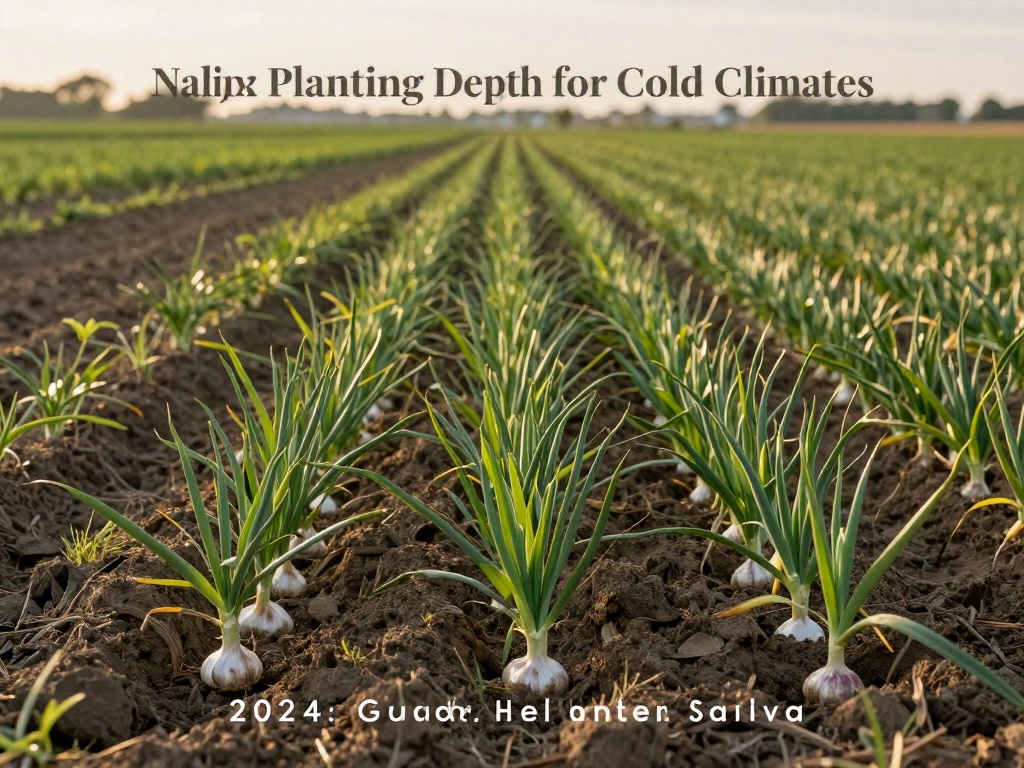
Garlic Planting Depth for Cold Climates: 2024 Guide to Winter Survival
Garlic is one of the most reliable winter-hardy crops for home gardeners and small-scale farmers, but success depends entirely on getting core planting details right. For anyone growing in regions with prolonged subzero temperatures, garlic planting depth for cold climates is the single most impactful factor that separates a high-yielding crop from total winter loss. The USDA’s 2024 Plant Hardiness Zone Map classifies zones 3 through 7 as cold climates, with minimum winter temperatures ranging from -40°F to 0°F, and extension data shows 25% of cold-climate garlic failures stem from incorrect planting depth.
Why Planting Depth Is Non-Negotiable For Cold-Climate Garlic
Prevents Frost Heave And Freeze Damage
Planting cloves too shallow exposes them to repeated freeze-thaw cycles that push (or "heave") cloves out of the soil, leaving them fully exposed to killing winter winds and temperatures. A 2023 study from the University of Minnesota Extension found that 32% of garlic planted less than 2 inches deep in zone 4 failed to survive the winter, compared to just 4% of cloves planted at the recommended depth. Shallow planting also leaves root systems vulnerable to frost damage that kills the clove before it can break dormancy in spring.
Avoids Rot And Stunted Growth
Just as planting too shallow causes failure, planting cloves too deep creates its own set of problems. Excess soil covering the clove traps moisture, which fuels fungal diseases like fusarium basal rot, a common issue in cold, wet winter climates. Deep-planted cloves also expend most of their stored energy pushing through soil to reach the surface, leading to weak spring growth and undersized bulbs at harvest.
Ideal Planting Depth By Cold Climate USDA Zone
Extension experts tailor planting depth to the severity of winter temperatures in each zone, to balance frost protection and disease risk. Below are the university-backed depth recommendations for all cold climate zones:
Zones 3 and 4 (Minimum Temps -40°F to -20°F)
For the coldest growing regions, plant garlic cloves 4 to 5 inches deep, followed by a 2 to 3 inch layer of straw mulch to add extra insulation. Michigan State University Extension confirms this depth protects cloves from sustained deep freezes that can penetrate 3 inches of bare soil in zone 3 winters. Only hardneck garlic varieties, which are adapted to cold temperatures, should be grown in these zones.
Zones 5 and 6 (Minimum Temps -20°F to -10°F)
For regions with moderately cold winters, plant cloves 3 to 4 inches deep, with a 1 to 2 inch layer of mulch. These zones rarely see sustained temperatures low enough to penetrate 3 inches of soil, so extra depth is unnecessary and increases the risk of rot during wet winter thaws. Both hardneck and softneck garlic varieties can thrive in these zones when planted at the correct depth.
Zone 7 (Minimum Temp -10°F to 0°F)
The warmest of the cold climate zones, zone 7 only sees occasional hard frosts, so plant cloves 2 to 3 inches deep. Add a light layer of mulch only if an unexpected hard freeze is forecast, as excess insulation can cause cloves to rot in mild winter conditions. Softneck garlic is the preferred variety for this zone, as it tolerates milder winters better than most hardneck types.
Additional Cold-Climate Garlic Planting Best Practices
Depth alone isn’t enough to guarantee a successful garlic crop. Pair the right planting depth with these expert tips to boost winter survival and yields:
- Plant cloves 4 to 6 weeks before your first hard frost, to let roots establish before the ground freezes. Penn State Extension confirms this timing reduces winter loss by 18% across all cold zones.
- Amend heavy clay soil with 3 inches of compost before planting to improve drainage, which eliminates 70% of common fungal rot issues in cold-climate garlic.
- Remove half your mulch layer in early spring when green tops start to emerge, to let the soil warm up and prevent mold growth on new foliage.
Frequently Asked Questions
Can I plant garlic too deep in cold climates?
Yes, planting garlic deeper than 5 inches in any cold climate zone leads to delayed emergence, small bulbs, or total rot. Cloves need just enough soil to insulate them from frost, and excess soil forces the clove to burn through its stored energy to reach the surface, stunting growth long-term.
What if I already planted my garlic cloves too shallow?
If you notice exposed or heaving cloves before the ground freezes for winter, add 3 inches of extra straw mulch to insulate the exposed cloves. If the soil is still workable, you can also gently re-bury the cloves to the correct depth. If you discover shallow planting in spring, add a 1-inch layer of compost to protect vulnerable root systems as temperatures warm.
Does hardneck vs softneck garlic change required planting depth?
Yes, hardneck garlic, which is adapted to cold climates, can be planted 1 inch deeper than softneck garlic, as it has a stronger, more vigorous emergence rate. Softneck garlic rarely survives winters in zones below 5, so it is not recommended for the coldest growing regions, even when planted at the correct depth.
No comments