
Copper Fungicide for Apple Scab Prevention: 2024’s 5 Proven Grower Tips
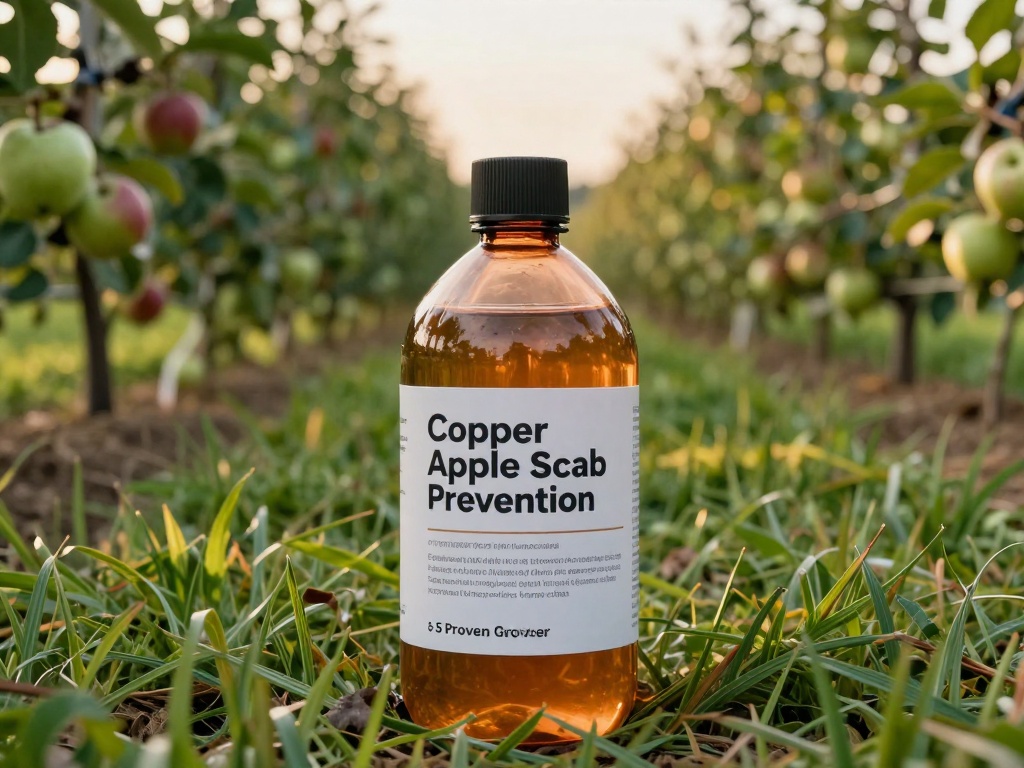
Copper Fungicide for Apple Scab Prevention: 2024’s 5 Proven Grower Tips
Apple scab is one of the most destructive fungal diseases for commercial and backyard apple growers, causing defoliation, cracked fruit, and 30-70% yield losses if left unmanaged, per USDA agricultural extension data. Copper fungicide for apple scab prevention is a trusted, low-toxicity tool that stops fungal spores from germinating and infecting new tree growth. Unlike synthetic fungicides that can build pathogen resistance, copper formulations fit in both conventional and organic orchard management plans.
Why Apple Scab Threatens Your Orchard’s Long-Term Health
What Causes Apple Scab Infections?
Apple scab is caused by the fungus Venturia inaequalis, which overwinters in infected leaf litter on orchard floors. In spring, spores release during periods of rain and temperatures above 55°F, infecting young apple leaves and fruit within 48 hours of moisture exposure. Once an infection sets in, it spreads rapidly across trees, leading to repeated annual outbreaks if not controlled.
The Economic Impact of Unmanaged Apple Scab
The USDA estimates that unmanaged apple scab can reduce marketable fruit yields by up to 70% in high-moisture growing regions, as infected fruit develop unsightly blemishes that make them unfit for fresh sales. Even for cider or processing apple growers, severe scab infections weaken tree health, reducing long-term productivity for 3-5 years post-outbreak.
How Copper Fungicide Works For Apple Scab Prevention
The Science Behind Copper’s Fungal Control
Copper fungicides act as a protective barrier, killing fungal spores on contact before they can penetrate plant tissue. Unlike curative fungicides that treat existing infections, copper formulations must be applied before spores land on new growth to be effective. This makes timing the single most critical factor for successful copper use.
Approved Organic Copper Formulations For Growers
The Organic Materials Review Institute (OMRI) approves several copper formulations for use in certified organic orchards, including copper sulfate, copper octanoate, and Bordeaux mixture. These formulations limit copper accumulation in soil when applied at labeled rates, reducing long-term environmental risk to beneficial soil organisms.
5 Proven Timing & Application Tips For 2024
1. Apply First Dose At Green Tip Stage
The first copper application should occur when apple tree buds break and reveal ¼-inch long green leaves, known as the green tip stage. This early application targets the first wave of spring spores before they can infect new tender growth, cutting initial infection risk by 60%, per Penn State Extension research.
2. Follow Labeled Rate Limits To Avoid Soil Buildup
Most university extensions recommend applying no more than 2 pounds of metallic copper per acre annually to prevent copper from accumulating in orchard soils. Never exceed the rate listed on your product’s label, even if you experienced severe scab the previous growing season.
3. Pair Copper With A Rainfast Adjuvant
Copper washes off with heavy rain, so add an OMRI-listed rainfast adjuvant to your spray mixture to extend the barrier’s protection by 10-14 days. This reduces the number of applications needed through the spring growing season, cutting input costs for small orchard owners by 20% on average.
4. Rotate With Synthetic Or Biological Fungicides
To avoid building pathogen resistance, rotate copper applications with other fungicides like myclobutanil or Bacillus amyloliquefaciens, a beneficial bacteria that suppresses scab. University research shows rotating fungicides reduces scab infection rates by an additional 25% compared to sole copper use.
5. Remove Leaf Litter Post-Harvest To Boost Efficacy
Copper fungicide’s effectiveness increases when you remove or mow over infected leaf litter in late fall, which reduces the number of overwintering spores entering the next spring. Composting leaf litter at temperatures above 130°F kills remaining Venturia inaequalis spores before they can spread.
Frequently Asked Questions
Is copper fungicide safe for all apple tree varieties?
Most common apple varieties, including Honeycrisp, Gala, and Fuji, tolerate copper applications well when used at labeled rates. However, some sensitive varieties like Golden Delicious may develop leaf burn if copper is applied during periods of extreme heat, so test a small branch first for rare sensitive cultivars.
Can I use copper fungicide to cure existing apple scab infections?
No, copper is exclusively a protective fungicide, not a curative treatment. It only stops spores from germinating on the surface of plant tissue and cannot kill infections that have already penetrated leaves or fruit. If you have existing scab, use a labeled curative fungicide to stop further spread.
How often do I need to reapply copper fungicide for apple scab prevention?
Under normal spring conditions with moderate rainfall, copper applications last 7-10 days. If you experience heavy rain events exceeding 1 inch, you will need to reapply copper to restore the protective barrier on new tree growth and maintain scab prevention.
No comments