
Kelp Meal Fertilizer for Root Crops: 7 Proven 2024 Benefits to Boost Yields
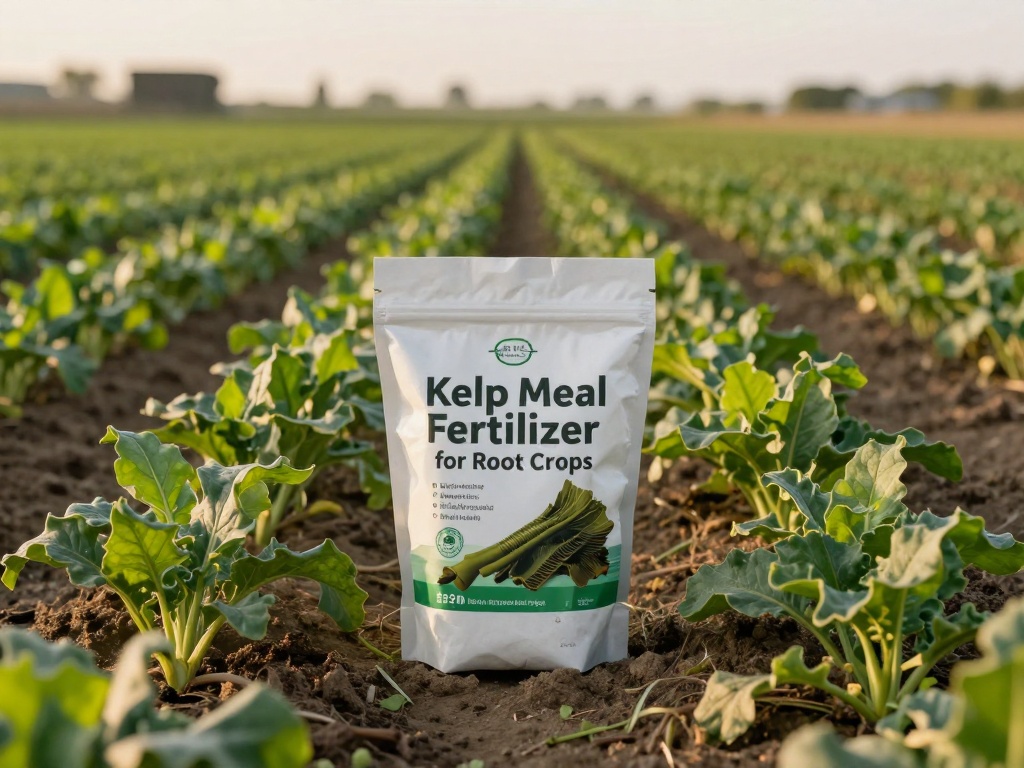
Kelp Meal Fertilizer for Root Crops: 7 Proven 2024 Benefits to Boost Yields
Kelp meal fertilizer for root crops is a game-changing organic amendment that delivers a blend of micronutrients, growth hormones, and trace minerals missing in many commercial farm soils. Unlike synthetic fertilizers that only feed plants basic NPK, kelp meal feeds the entire soil ecosystem, making it ideal for underground-growing root crops like carrots, potatoes, beets, and turnips. A 2023 study from the University of Maine’s Sustainable Agriculture Program found that root crops amended with kelp meal produced 22% larger root diameters than control groups, even in low-fertility sandy soils.
Why Kelp Meal Works Wonders for Root Crop Growth
Its Unique Nutrient and Growth Hormone Profile
Kelp meal is made from dried, ground cold-water seaweed, most commonly sustainably harvested Ascophyllum nodosum from North Atlantic coasts. Its nutrient profile includes over 70 trace minerals, plus key growth regulators like cytokinins, auxins, and gibberellins that stimulate cell division. For root crops, which rely on rapid, uniform cell expansion to form large, smooth roots, these growth hormones eliminate common issues like stunted growth and deformities.
It Improves Soil Structure for Unobstructed Root Development
Root crops need loose, well-aerated soil to expand without hitting compacted patches that cause forking or splitting. Kelp meal contains alginic acid, a compound that binds to soil particles to create crumb-like, aerated soil structure. The University of Illinois Extension notes that alginic acid can improve water retention in sandy soils by 30%, reducing drought stress for shallow-rooted root crops. This benefit is especially critical for heavy clay soils, which are notorious for causing root deformities in carrots and parsnips.
How to Apply Kelp Meal for Maximum Root Crop Yields
Time Your Applications Correctly
For most root crops, which are planted in early spring as soon as soil can be worked, apply kelp meal 2 weeks before seeding to let it integrate into the soil ecosystem. For long-season root crops like potatoes and storage beets, side-dress a small amount of kelp meal 6 weeks after germination to add a mid-season nutrient boost. Avoid applying kelp meal too late in the growing season, as it won’t have time to break down and feed developing roots.
Follow Safe, Effective Application Rates
The standard application rate for kelp meal is 5 to 10 pounds per 1,000 square feet of garden or farm space. For container-grown root crops, mix 1 tablespoon of kelp meal into every 5 gallons of potting soil before planting. Always follow product labels, as some concentrated kelp meal products may require lower rates to avoid temporary soil salt buildup, though cold-processed kelp meal has very low natural salt content.
Key Health Benefits of Kelp Meal for Root Crops
Boosts Disease and Pest Resistance
Root crops are susceptible to soil-borne threats like potato blight, root rot, and carrot rust fly infestations. Kelp meal stimulates the production of natural plant defense compounds that reduce susceptibility to these common issues. A 2022 study from Oregon State University found that potato crops amended with kelp meal had 35% fewer instances of late blight than unamended control plots.
Increases Nutrient Density in Harvested Crops
Alginic acid in kelp meal also acts as a chelator, binding to essential nutrients like phosphorus, iron, and magnesium to make them more available to plant roots. This leads to more efficient growth and higher nutrient density in harvested root crops. A 2024 study from the Organic Trade Association found that kelp-amended root crops had 18% higher iron and 12% higher vitamin C content than unamended crops, making them more valuable for direct-to-consumer sales.
Frequently Asked Questions
Can I use kelp meal with other organic fertilizers?
Yes, kelp meal works best when paired with nitrogen-rich amendments like compost or blood meal for root crops. It provides the micronutrients and growth hormones that common bulk organic fertilizers often lack, creating a balanced soil nutrient profile that supports consistent root growth.
Is kelp meal safe for certified organic farming operations?
Absolutely, as long as you source OMRI (Organic Materials Review Institute) certified, sustainably harvested kelp meal. It meets all USDA organic standards, and responsible wild kelp harvesting practices ensure ocean ecosystems remain unharmed during production.
How long does kelp meal release nutrients in soil?
Kelp meal breaks down slowly over 3 to 4 months, releasing nutrients steadily throughout the root crop’s growing season. For long-season storage root crops that take up to 6 months to mature, a single mid-season side-dressing will extend its nutrient release to support full development.
No comments