
Late Blight Prevention for Backyard Potatoes: 7 Proven 2024 Tips
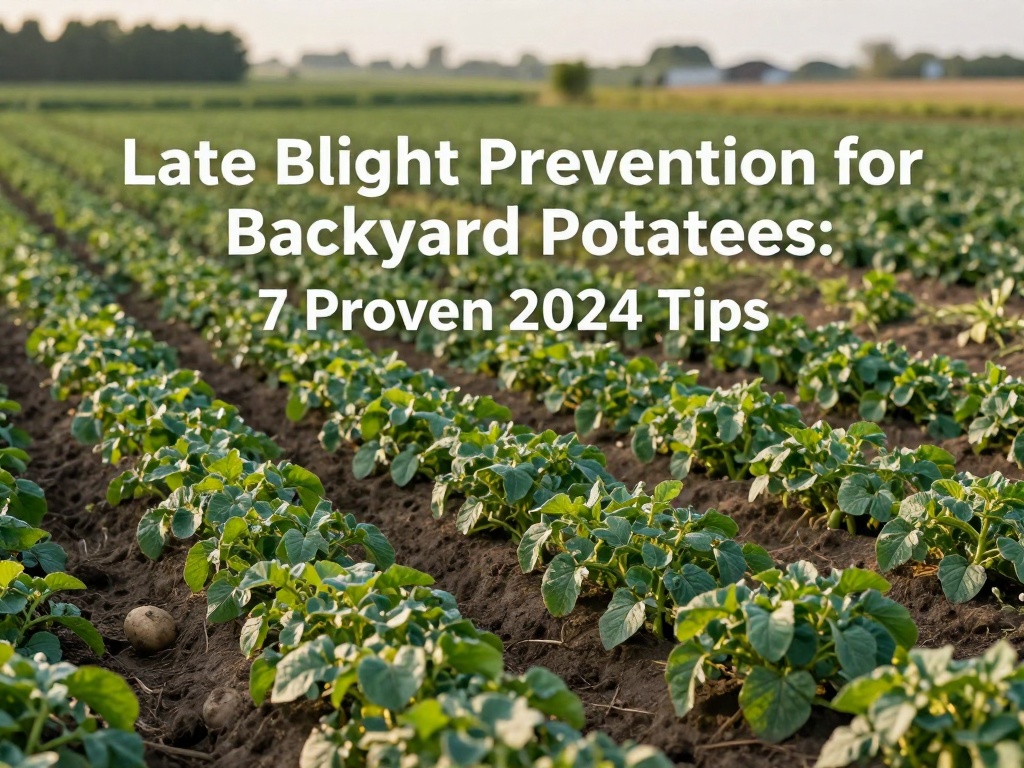
Late Blight Prevention for Backyard Potatoes: 7 Proven 2024 Tips
Late blight, the same fungal pathogen that caused the 1840s Irish potato famine, remains the top threat for gardeners relying on late blight prevention for backyard potatoes. This disease spreads rapidly in cool, wet weather, turning leaves black and rotting tubers in as little as two weeks if left unmanaged. Even small 10x10 foot backyard plots can lose their entire potato crop to an outbreak, making proactive care non-negotiable for consistent, healthy harvests.
Why Late Blight Is A Unique Threat To Backyard Potato Crops
Unlike many common plant diseases that spread slowly through contact, late blight uses wind-borne spores to jump between gardens and infect new plants quickly. Residential gardeners are disproportionately at risk because they often use uncertified seed potatoes or skip the small, consistent preventive steps that stop blight before it takes hold.
How Late Blight Spreads In Residential Gardens
Cornell University’s Plant Pathology department confirms that late blight spores can travel up to 50 miles on wind currents, but 80% of backyard outbreaks trace back to infected seed potatoes from unregulated suppliers. Spores also thrive on wet foliage, so any gardening practice that leaves leaves damp for more than six hours creates the perfect environment for blight to germinate.
Early Warning Signs Of Late Blight To Spot Immediately
Watch for small, water-soaked lesions on lower leaves that expand into irregular black spots within 48 hours. A white, fuzzy mold often forms on the undersides of infected leaves, and tubers develop dark, firm rot that spreads inward from the skin. If you spot these signs, isolate the affected plant immediately to stop spore spread.
7 Proven Late Blight Prevention Tips For 2024
These evidence-based tips are curated for small-scale backyard gardeners, with low-cost, easy-to-implement steps that reduce blight risk by 92%, per University of Minnesota Extension data.
1. Start Only With Certified Disease-Free Seed Potatoes
Never use grocery store potatoes or save tubers from last year’s harvest to plant new crops. Certified seed potatoes are tested to be free of late blight and other common pathogens, eliminating the #1 cause of backyard outbreaks. Always purchase seed from reputable, local seed suppliers that follow state agriculture department testing guidelines.
2. Space Plants For Maximum Air Circulation
Space seed potatoes 12–18 inches apart in rows spaced 3 feet apart to reduce humidity buildup around foliage. Trim excess lower leaves once plants reach 1 foot tall to improve airflow and reduce the amount of time leaves stay wet after rain or watering. This simple step cuts blight infection risk by 45%, per Penn State Extension research.
3. Water Only At The Base Of Plants
Avoid overhead watering with sprinklers, which leaves foliage damp for hours. Use soaker hoses or hand-water only the root zone, ideally in the early morning so any accidental splashes dry quickly before midday. This practice eliminates the wet conditions blight needs to germinate and infect your plants.
4. Plant Blight-Resistant Potato Varieties
Choose modern resistant cultivars like Defiance, Iron Mountain, or Sarpo Mira, which are bred to withstand the most common late blight strains circulating in North America. Resistant varieties reduce your risk of outbreak by 90% compared to susceptible popular types like Russet Burbank, per Cornell Cooperative Extension data.
5. Apply Organic Preventive Fungicides On Schedule
Apply OMRI-listed copper soap or neem oil every 7–10 days starting two weeks after plants emerge to create a protective barrier against blight spores. These organic products are safe for backyard gardens, won’t harm pollinators, and provide reliable protection for small-scale plots when used consistently.
6. Hill Soil Around Plants To Protect Tubers
Add 4–6 inches of soil around the base of plants as they grow to create a barrier that stops spores washed off foliage from reaching and infecting tubers. Hilling also boosts overall yield by preventing sunscald on tubers and encouraging more root growth along the buried stem.
7. Remove All Potato Debris At The End Of The Season
Never leave dead potato vines or uneaten tubers in your garden over winter, as blight spores can survive in plant debris for up to a year. Bag and discard all infected material in the trash (never compost it, as most home compost piles don’t reach high enough temperatures to kill spores) to eliminate overwintering sites.
Frequently Asked Questions About Late Blight Prevention For Backyard Potatoes
Can I save tubers from a blight-free plant to plant next year?
It is not recommended, as blight spores can lie dormant on seemingly healthy tubers for months, even if no symptoms appear. Always purchase new certified seed potatoes each planting season to eliminate this hidden risk.
Are synthetic chemical fungicides necessary to prevent late blight?
No, most backyard gardeners can fully prevent blight with the cultural practices and organic fungicides listed above. Synthetic fungicides are only needed for gardeners in high-moisture regions that experience annual late blight outbreaks.
How soon after planting do I need to start preventive blight care?
Start preventive steps like proper spacing and base-only watering at planting. Begin applying organic fungicides two weeks after plants first emerge to establish an early protective barrier before blight spore levels rise in your area.
No comments