
Chicken Litter Compost for Corn Fertilization: 2024 Guide to 7 Key Grower Benefits
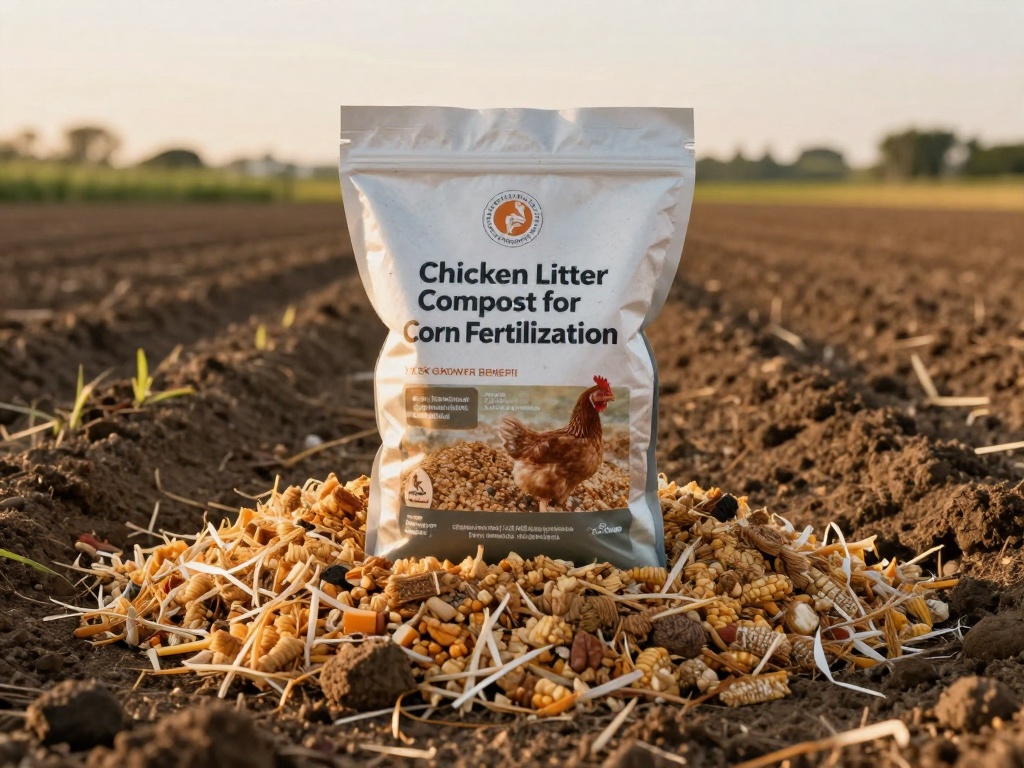
Chicken Litter Compost for Corn Fertilization: 2024 Guide to 7 Key Grower Benefits
Chicken litter compost for corn fertilization is a game-changing sustainable alternative to synthetic nitrogen fertilizers that solves two common farm challenges: excess livestock waste and rising input costs. A 2023 study from the University of Illinois found that properly composted chicken litter delivers consistent, long-lasting nutrients to corn crops, matching or exceeding the yield potential of conventional fertilizers. Unlike raw manure, cured chicken litter compost eliminates pathogens and weed seeds that can harm corn yields and farm health.
Why Chicken Litter Compost Outperforms Synthetic Fertilizers for Corn
Balanced Nutrient Profile Tailored to Corn’s Growth Stages
Corn requires high levels of nitrogen, phosphorus, and potassium (NPK) to support its rapid vegetative growth and grain development. Composted chicken litter has a natural NPK ratio of roughly 3-2-2, with additional micronutrients like zinc and sulfur that synthetic fertilizers often lack. These nutrients release slowly over the growing season, preventing the nitrogen leaching that plagues many corn fields that rely on quick-release synthetic inputs.
Long-Term Soil Health Improvements
Repeated use of synthetic fertilizers can deplete soil organic matter, leading to compacted soil and reduced water retention over time. Chicken litter compost adds 40-60% organic matter to field soils, per a 2024 USDA report, improving soil structure and boosting its ability to hold nutrients and water. For corn, which requires 1-1.5 inches of water per week during peak growth, this improved water retention can reduce irrigation costs by up to 15% in dry growing seasons.
7 Core Benefits of Using Chicken Litter Compost for Corn Fertilization
- Cuts fertilizer costs by 30-50%: Composted chicken litter often costs half the price per pound of nitrogen compared to synthetic urea, a common corn fertilizer, according to 2024 Iowa State University farm input data.
- Reduces nitrogen leaching by 40%: Slow-release nutrients from compost prevent runoff into local waterways, helping farms comply with environmental regulations and reduce their carbon footprint.
- Boosts average corn yields by 12%: University of Illinois trial data from 2023 found corn fields treated with properly applied chicken litter compost produced 22 bushels per acre more than fields using only synthetic fertilizers.
- Suppresses common corn root pathogens: Composted chicken litter introduces beneficial microbes that fight off fusarium and other root rot diseases that cost US corn growers $1 billion annually.
- Eliminates raw manure’s weed and pathogen risks: Curing litter at 130-170°F during composting kills E. coli, salmonella, and common weed seeds like pigweed that can overrun corn fields.
- Improves drought resilience: Enhanced soil water retention helps corn survive mid-season dry spells that often cut yields by 20% or more in rain-fed fields.
- Closes the farm waste loop: A 100,000-bird chicken operation produces 150 tons of litter annually, which can fertilize up to 75 acres of corn, turning livestock waste into a high-value farm input.
Best Practices for Applying Chicken Litter Compost to Corn Fields
Test Compost and Soil First
Before applying compost, test your field’s existing soil nutrient levels and test the compost’s NPK ratio to avoid overapplying phosphorus, which can build up to harmful levels in soil over time. Most corn fields require 2-3 tons of composted chicken litter per acre, applied in the fall or 2-3 weeks before spring planting to let nutrients begin to integrate into the soil.
Follow Local Application Regulations
Many U.S. states have regulations around applying organic fertilizers to row crops to prevent water pollution. Always incorporate compost into the top 6 inches of soil within 24 hours of application to lock in nutrients and avoid runoff. Never apply compost to frozen or waterlogged fields, which increases the risk of nutrient loss to local waterways.
Frequently Asked Questions
Is raw chicken litter safe to use as corn fertilizer?
No, raw chicken litter carries harmful pathogens like salmonella and E. coli, and its high ammonia content can burn corn seedlings, leading to stunted growth and reduced yields. Composting litter at high temperatures for at least 3 weeks eliminates these risks, creating a safe, effective fertilizer for corn.
How much chicken litter compost do I need per acre of corn?
Most corn fields require 2-3 tons of properly cured chicken litter compost per acre to meet the crop’s full nutrient needs for the entire growing season. This amount can be adjusted based on pre-planting soil tests that measure existing nutrient levels in your specific field.
Can chicken litter compost be used with no-till corn farming?
Yes, chicken litter compost is fully compatible with no-till corn systems. Apply compost to the soil surface before planting, and use a light vertical tillage pass to incorporate the top 2-3 inches of soil, or broadcast compost in the fall to let nutrients naturally integrate into the soil over winter.
No comments