
Cover Cropping for Compacted Garden Soil: 2024 Proven Fixes to Revitalize Your Beds
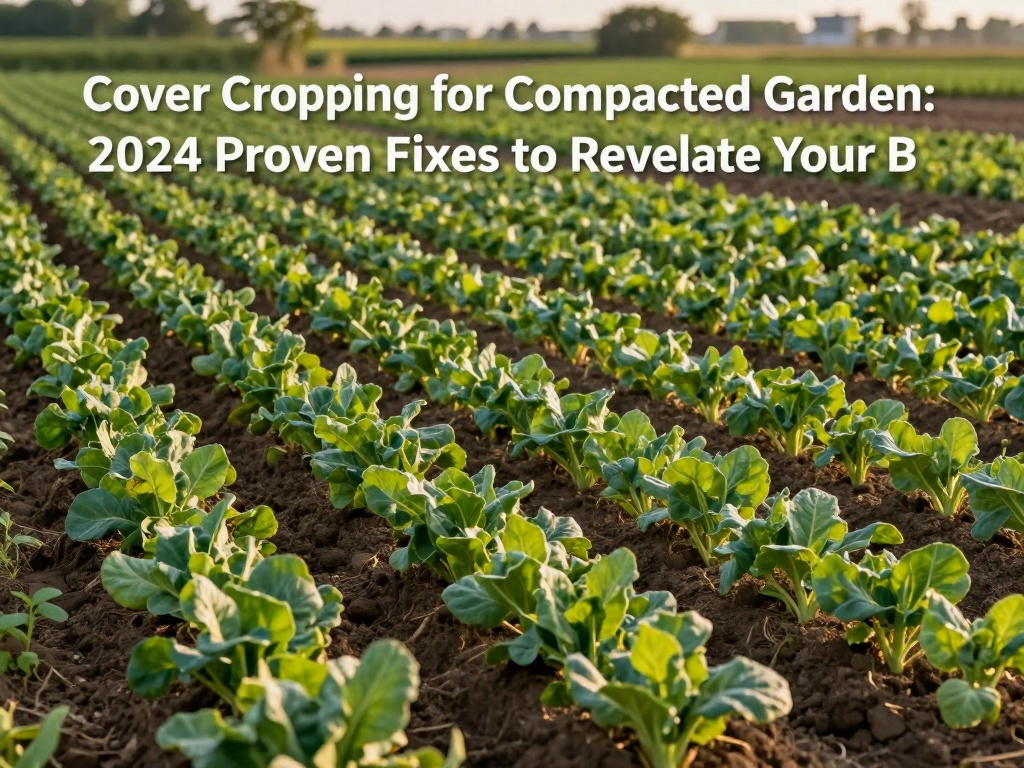
Cover Cropping for Compacted Garden Soil: 2024 Proven Fixes to Revitalize Your Beds
If you’ve ever struggled to push a trowel into hard, cracked garden soil that pools water after light rains, cover cropping for compacted garden soil is the low-cost, sustainable solution you’ve been searching for. Compacted soil limits root growth, reduces nutrient uptake, and cuts vegetable yields by up to 60%, according to 2023 research from the University of Minnesota Extension. Unlike disruptive tilling that damages beneficial soil microbes, cover cropping repairs compaction from the inside out, creating long-term soil health.
Why Compacted Garden Soil Harms Your Plants
Key Issues Caused by Unaddressed Compaction
Soil compaction occurs when soil particles are pressed together, reducing the pore space that holds air and water for plant roots. A 2023 National Gardening Association survey found that 80% of U.S. home gardeners deal with compacted soil at least once every three years, most often from foot traffic, heavy rain, or over-tilling.
Common problems from unaddressed compaction include stunted vegetable growth, frequent wilting even after watering, increased weed pressure from shallow-rooted weeds that thrive in hard soil, and higher risk of root rot from poor drainage. Tilling only fixes compaction temporarily, often leading to a cycle of re-compaction that damages soil structure long-term.
Top Cover Crops That Fix Compacted Garden Soil
Taproot Cover Crops for Severe Hardpan
The most effective cover crops for breaking up compacted soil are deep-taprooted varieties that drill through hardpan layers, creating channels for air, water, and future plant roots. Tillage (daikon) radish is the most popular choice, with roots that can grow 2 feet deep in as little as 10 weeks.
2024 data from Ohio State University Extension found that tillage radish reduces soil bulk density (the primary measure of compaction) by 15% in one growing season. Other strong taproot options include chicory, forage turnips, and sugar beets, all of which decompose quickly to add organic matter to soil.
Fibrous-Rooted Cover Crops to Maintain Loose Soil
After breaking up severe compaction, use fibrous-rooted cover crops to keep soil loose and add consistent organic matter. Annual ryegrass, oats, and cereal rye grow dense, shallow root systems that hold soil in place, prevent erosion, and add 2-3% organic matter annually, per USDA natural resources data. These varieties are also easy to terminate and work well in small garden spaces.
Step-by-Step Guide to Planting Cover Crops for Compaction
1. Test Your Compaction Level First
Before planting, confirm your soil’s compaction by pushing a 6-inch screwdriver into the ground. If the screwdriver will not sink at least 4 inches deep with light pressure, you have measurable compaction that will benefit from cover cropping. Mark areas with the hardest soil to plant extra taproot varieties in those spots.
2. Plant at the Right Time for Your Climate
For most temperate USDA zones, plant fall cover crops 2-3 weeks after your final summer harvest, to let the crops establish before the first frost. For spring planting, sow cold-hardy cover crops 4 weeks before your last frost date to let them grow and break up soil before you plant your main vegetable garden.
3. Terminate Crops Before They Go to Seed
Mow or cut cover crops 2-3 weeks before planting your main garden crops to prevent them from becoming weeds. Leave the cut biomass on top of your soil as mulch, where it will decompose and add nutrients and organic matter to feed your plants all season long.
Frequently Asked Questions
How long does cover cropping take to fix compacted garden soil?
Most home gardeners notice improved soil workability after just one growing season of cover cropping. Severe compaction with a thick hardpan layer typically takes 2-3 consecutive seasons of consistent cover cropping to fully repair.
Can I use cover crops in small raised garden beds?
Yes, cover cropping works for all garden sizes, including small 4x4 foot raised beds. Choose compact varieties like dwarf tillage radish or oats that do not outgrow small spaces, and terminate them early to avoid overcrowding your bed before planting your main crops.
Is cover cropping more effective than aeration for fixing compacted soil?
While core aeration provides temporary relief for compaction, cover cropping creates long-term soil structure that prevents compaction from returning. Cover crops also add organic matter and feed soil microbes, which aeration alone cannot do, making them a more sustainable long-term solution.
No comments