
7 Proven Goat Pasture Weed Control Methods 2024: Boost Herd Health
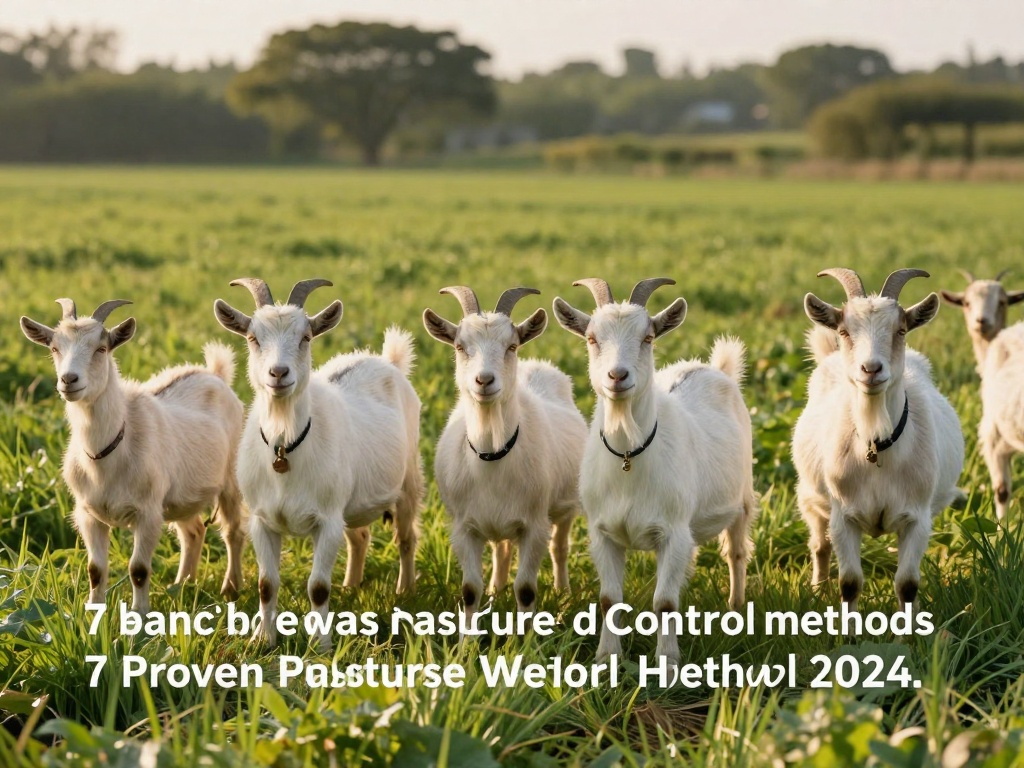
7 Proven Goat Pasture Weed Control Methods 2024: Boost Herd Health
Unmanaged weeds in goat pastures aren’t just a nuisance—they can outcompete nutritious forage, poison your herd, and reduce grazing capacity by up to 40% per 2023 USDA data. Goat pasture weed control methods must balance effectiveness with herd safety, as many common herbicides are toxic to small ruminants.
Proven, Herd-Safe Weed Control Methods for 2024
1. Rotational Grazing (Preventative Suppression)
Rotational grazing stops overgrazing, a top trigger for weed encroachment, by moving goats between small pasture paddocks every 1-3 days. USDA Natural Resources Conservation Service (NRCS) data shows well-managed rotational grazing reduces weed prevalence by 60% within two years. This method forces goats to graze evenly, leaving no bare soil for weed seeds to take root.
2. Manual Removal & Targeted Mowing
For small pastures or isolated patches of toxic weeds like poison hemlock or thistle, manual pulling before plants set seed is 100% safe for goats. Mow weeds at the early flowering stage to stop seed production across larger open areas. Never leave wilted toxic weeds in pastures, as goats may accidentally ingest them and suffer severe health consequences.
3. Goat-Safe Spot-Applied Herbicides
If weeds overtake more than 30% of your pasture, use only herbicides labeled for small ruminant grazing, like glyphosate applied as a spot treatment to avoid widespread exposure. Michigan State University Extension recommends waiting 7-14 days after treatment before reintroducing goats to treated areas to eliminate chemical risk. Never use 2,4-D or dicamba near goat pastures, as these chemicals cause long-term organ damage.
4. Competitive Forage Planting
One of the most sustainable long-term goat pasture weed control methods is planting thick stands of desirable forages like clover, orchardgrass, and tall fescue that outcompete weeds for sunlight, water, and soil nutrients. NRCS data shows dense forage stands reduce weed germination by 75% compared to sparse, overgrazed pastures. This method also boosts your pasture’s carrying capacity, letting you raise more goats on the same land.
5. Biological Weed Control with Beneficial Insects
For persistent invasive weeds like spotted knapweed, introduce host-specific beneficial insects such as seed weevils that feed only on target weeds and never harm desirable plants or goats. The USDA has approved dozens of biological control agents for common pasture weeds, creating a low-maintenance, chemical-free solution. This method takes 2-3 years to reduce weed populations by 80%, making it ideal for long-term pasture management.
6. Certified Prescribed Burning
For large, open pastures overrun with woody brush that goats won’t eat, certified prescribed burning conducted in late spring before grazing resumes eliminates 90% of brush cover, per University of Georgia Extension data. Burning also boosts native grass growth, improving future forage quality for your herd. Always work with a licensed burn manager and check local burn bans to avoid wildfire risks.
7. Goat-Sheep Co-Grazing
Adding a small flock of sheep to your goat herd creates a mixed grazing system that targets a wider range of weeds, as sheep eat many broadleaf and brush weeds that goats avoid. A 2023 University of Illinois study found that co-grazing goats and sheep reduced overall pasture weed prevalence by 78% in a single growing season. This method requires minimal extra effort while boosting your entire pasture’s productivity.
Core Safety Tips for Pasture Weed Management
No matter which goat pasture weed control methods you choose, test any new herbicide or forage seed on a small patch of pasture first to avoid unintended harm to your herd. Test your soil annually to ensure your forage crops get enough nutrients to grow thick and crowd out weeds. Walk your pastures every two weeks during the growing season to spot new weed patches early, when they’re easiest to remove.
Frequently Asked Questions
What weeds are most dangerous to goats?
The most toxic weeds for goats include poison hemlock, black nightshade, larkspur, and spotted knapweed, which can cause neurological damage, organ failure, or death if ingested in large quantities. Remove these weeds immediately if spotted in your pastures to protect your herd.
Can I use regular lawn weed killer in my goat’s pasture?
No, most common lawn weed killers contain chemicals like 2,4-D or dicamba that are highly toxic to goats, even in small doses. Only use herbicides explicitly labeled for use in small ruminant pastures, and follow all re-entry wait times listed on the product label.
How often should I inspect my pastures for new weeds?
You should walk your goat pastures at least once every two weeks during the growing season to spot small, isolated weed patches early. Early removal prevents weeds from setting seed and spreading across your entire pasture, saving you time and money on long-term control efforts.
No comments