
2024 No-Till Planting Guide for Small Grain Crops: Boost Yields & Cut Costs
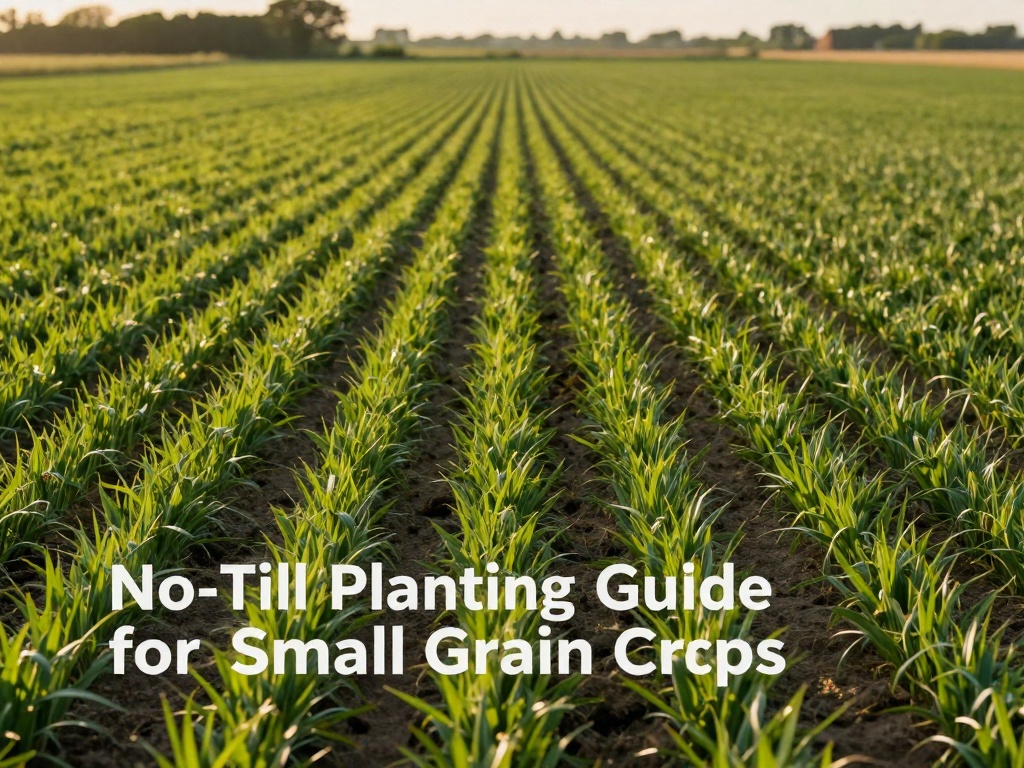
2024 No-Till Planting Guide for Small Grain Crops: Boost Yields & Cut Costs
Small grain farmers across the U.S. are turning to conservation practices to cut input costs and build long-term soil resilience, and this no-till planting guide for small grain crops breaks down exactly how to adopt this practice successfully. According to the USDA, no-till farming reduces soil erosion by up to 90% compared to conventional tillage, while cutting fuel and labor costs by an average of 30% for small grain operations like wheat, oats, and barley. Whether you manage a 50-acre family farm or a 500-acre commercial operation, no-till is adaptable to most small grain production systems.
What Is No-Till Planting, and Why It Works for Small Grains
No-till planting is a conservation practice that eliminates plowing or disturbing the soil between crop cycles, leaving previous crop residue (stubble) on the field surface. For small grains, which are often planted in narrow rows and follow cash crops like corn or soybeans, this setup aligns perfectly with no-till’s core requirements. It eliminates the need for multiple tillage passes that disrupt small grain root development and waste critical soil moisture.
Core Benefits of No-Till for Small Grain Operations
The USDA Natural Resources Conservation Service (NRCS) documents multiple unique benefits for small grain farmers who adopt no-till, including:
- Reduces spring soil moisture loss by up to 20%, critical for dryland small grain production in the Great Plains and Midwest.
- Cuts the number of field passes needed by 4-5 per growing season, slashing labor and fuel expenses.
- Boosts soil organic matter by 0.1-0.3% annually, leading to higher nutrient retention and long-term yield improvements.
- Supports beneficial insect populations that control common small grain pests like aphids and armyworms, reducing pesticide needs.
Step-by-Step No-Till Process for Planting Small Grains
Transitioning to no-till requires small adjustments to your standard planting workflow, but the learning curve is minimal for most small grain farmers. Follow these proven steps to set your crop up for success.
1. Prep Equipment and Residue Management Plans
Before planting, confirm your no-till drill is calibrated to the specific small grain you’re growing, whether that be winter wheat, spring oats, or rye. No-till drills have specialized cutting discs that slice through residue and place seeds at a consistent depth, a critical feature for reliable small grain germination. Residue from the previous crop should be evenly spread to avoid clumps that can block drill discs or block sunlight from emerging seedlings.
2. Optimize Seeding Depth and Rate for Your Region
Small grain seed depth is even more critical in no-till systems than conventional systems, since residue can delay soil warming in early spring. The University of Illinois Extension recommends planting small grains at a depth of 1-1.5 inches in no-till systems, with seeding rates adjusted 10% higher than conventional rates to account for minor germination losses. For winter wheat, that translates to a seeding rate of 1.2-1.5 million seeds per acre, up from 1-1.2 million for tilled systems.
3. Manage Nutrients and Weeds Proactively
No-till systems require a shift in nutrient and weed management to account for undisturbed soil. Most small grain farmers use a combination of pre-plant burndown herbicides to control winter annual weeds before planting, followed by side-dress nitrogen applications timed to early spring growth for winter grains. Annual soil tests are non-negotiable in no-till systems, as nutrients can accumulate in the top 2 inches of soil, requiring adjusted application rates to avoid waste.
Common No-Till Mistakes to Avoid for Small Grains
Even experienced farmers run into challenges when transitioning to no-till for small grains. The most common mistake is planting too shallow, which leads to poor root development and increased winterkill risk for winter small grains. Another frequent error is poor residue management, leaving thick clumps of corn or soybean stubble that smother emerging wheat or oat seedlings. Skipping annual soil tests is a third costly mistake, as unadjusted nutrient rates can lead to overapplication and lost profits.
Frequently Asked Questions
Is no-till planting profitable for small-scale small grain farmers?
Yes, a 2023 study from Iowa State University found that small-scale farmers (under 100 acres) growing no-till small grains saw an average net profit increase of $45 per acre compared to conventional tillage systems, driven by lower input costs and consistent yield gains after the first 3 years of transition.
Can I use no-till planting for both winter and spring small grains?
Absolutely, no-till works for all common small grain varieties, including winter wheat, spring oats, barley, rye, and spelt. You only need to adjust your seeding date, depth, and rate to match your local climate and crop type to achieve optimal results.
How long does it take to see soil health improvements from no-till?
Most farmers see measurable improvements in soil structure and reduced erosion within 2-3 years of consistent no-till adoption. Full improvements to soil organic matter and long-term nutrient retention typically take 5-7 years of continuous no-till practice to fully develop.
No comments