
Spring Frost Protection for Grapevine Buds: 7 Proven 2024 Methods to Save Your Harvest
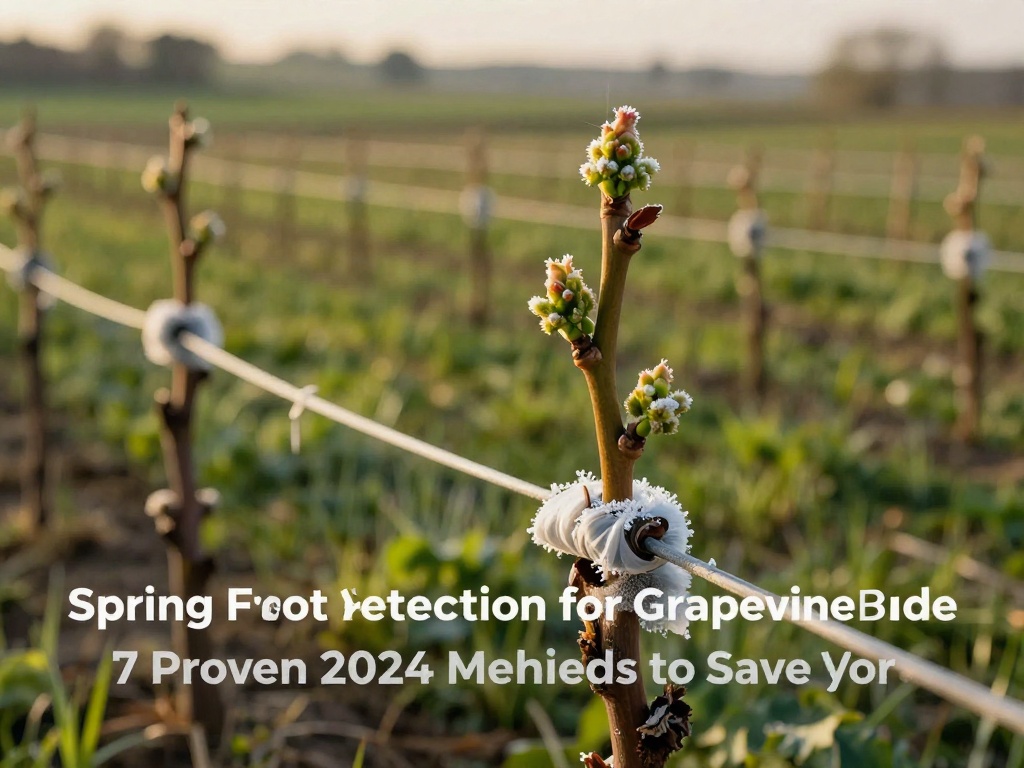
Spring Frost Protection for Grapevine Buds: 7 Proven 2024 Methods to Save Your Harvest
Spring frost is one of the most costly threats to both commercial and small-scale vineyards, with late March to mid-April frosts destroying newly burst grapevine buds that are highly susceptible to temperatures below 30°F (-1°C). The University of California Statewide IPM Program reports that unprotected vineyards can lose up to 90% of a season’s harvest to a single late spring frost, making spring frost protection for grapevine buds a non-negotiable annual task.
Key Risks Spring Frost Poses to Young Grapevine Buds
Why Newly Burst Buds Are Extra Vulnerable
Dormant grapevine buds can withstand freezing winter temperatures thanks to a thick protective layer, but that hardiness disappears once buds break dormancy in early spring. At the first green tip growth stage, buds can be damaged by any temperature below 32°F, and by the 2-3 leaf stage, even a light frost can kill an entire shoot.
Cornell University’s Viticulture and Enology program confirms that 90% of grapevine buds at the pre-bloom stage die when exposed to 28°F for just 30 minutes, making timing of frost protection critical for vineyard health.
7 Proven 2024 Spring Frost Protection Methods for Grapevine Buds
1. Overhead Microsprinkler Irrigation
This large-scale solution works by releasing a fine layer of water that freezes on buds, releasing latent heat that keeps bud tissue at a steady 32°F even when air temperatures drop as low as 24°F. UC IPM rates this method as 70-80% effective for most commercial vineyard regions.
2. Wind Machines (Orchard Fans)
Most spring frost events are caused by temperature inversions, where cold air settles near the ground while warmer air lingers 30-50 feet above the canopy. Wind machines pull that warm air down to vine level, raising canopy temperatures by 3-5°F—enough to protect vulnerable buds from damage.
3. Breathable Frost Cloths or Row Covers
Ideal for small-scale and backyard vineyards, floating breathable row covers trap radiant ground heat, raising canopy temperatures by 2-4°F. Unlike plastic sheeting, these cloths allow air and moisture to pass through, preventing mold or bud burn, and they can be reused for 3-5 years.
4. Long-Term Site Modifications
Washington State University Extension data shows that vineyards planted on elevated ground, rather than low-lying frost pockets, see a 60% reduction in annual frost damage. Additional long-term changes include clearing dense underbrush that traps cold air and planting windbreaks to reduce cold air flow across the vineyard.
5. Anti-Transpirant Sprays to Delay Bud Break
Certified agricultural anti-transpirants sprayed on buds 2-3 weeks before your area’s average last frost date slow dormancy break, delaying the vulnerable green tip stage until after the risk of frost passes. This method is low-cost and works well for regions that often see late spring frosts.
6. Portable Propane Heaters for Small High-Value Vineyards
For vineyards under 5 acres with high-value grape varieties, portable propane or natural gas heaters placed 50-75 feet apart can raise air temperatures enough to protect buds. Heaters work best when paired with small wind machines to circulate heat evenly across the entire canopy.
7. Smudge Pots for Low-Cost Small-Scale Use
Traditional smudge pots release a thin layer of smoke that traps radiant heat from the ground, preventing the radiative cooling that causes frost to form on buds. Note that smudge pots are only legal in areas with no local air quality restrictions, so check local regulations before use.
How to Choose the Right Protection Method for Your Vineyard
The best frost protection strategy depends on your vineyard size, budget, and local climate. Hobby and small-scale growers with less than 5 acres can rely on frost cloths and anti-transpirants for less than $1,000 annually, with minimal maintenance. Commercial vineyards with 10+ acres see the highest ROI from overhead sprinklers and wind machines, which reduce harvest loss risk by 85% on average, per 2023 USDA vineyard economic data.
Always use National Weather Service frost date data to time your prep, and install cheap canopy-level temperature sensors to get real-time alerts for impending frost events, so you can activate protection measures before temperatures drop.
Frequently Asked Questions
What temperature kills grapevine buds after they burst in spring?
Once grapevine buds break dormancy and reach the green tip stage, temperatures below 32°F (0°C) can cause permanent damage. By the pre-bloom growth stage, 90% of buds will die if exposed to 28°F (-2°C) for 30 minutes or longer, per Cornell University viticulture research.
Can I use plastic sheeting to protect grapevine buds from frost?
No, non-breathable plastic sheeting traps excess moisture that leads to mold and mildew growth on buds, and it can also burn tender new growth if daytime temperatures rise. Always use agricultural-grade breathable frost cloths designed for crop protection.
How early should I set up spring frost protection for grapevine buds?
Passive measures like frost cloths can be installed 24-48 hours before an expected frost. For active methods like sprinklers, wind machines, or heaters, test all equipment 1-2 weeks before your area’s average last frost date to avoid last-minute mechanical failures that could put your crop at risk.
No comments