
2024 Guide to Alfalfa Cover Crop for Nitrogen Fixation: Top 5 Benefits
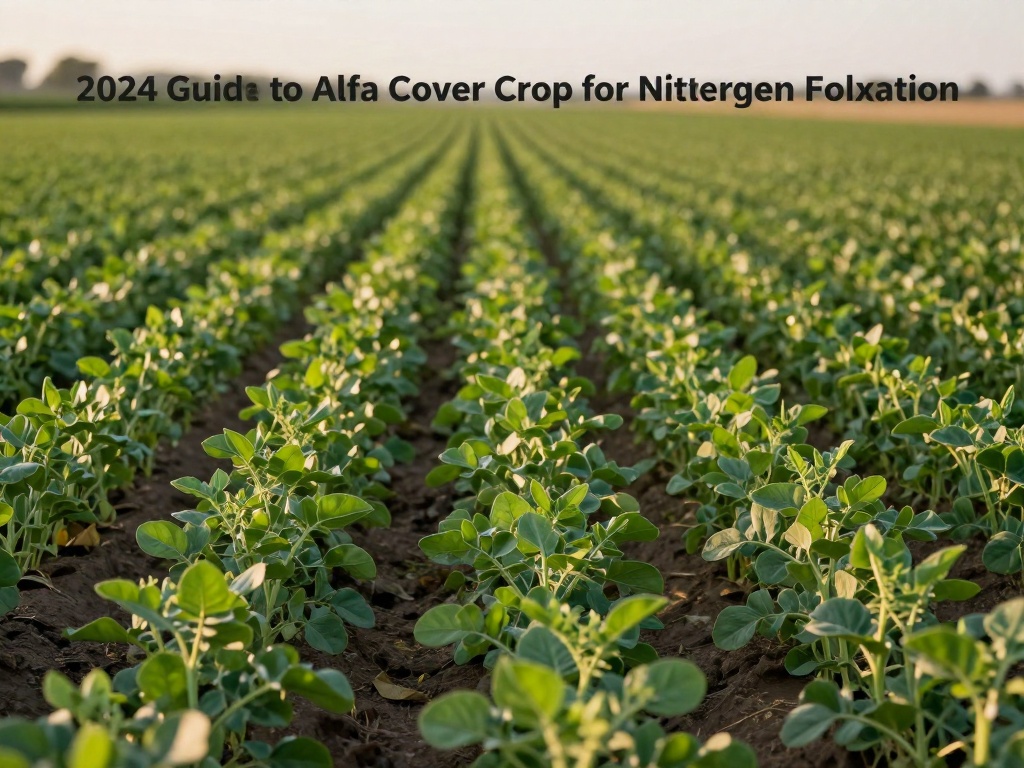
2024 Guide to Alfalfa Cover Crop for Nitrogen Fixation: Top 5 Benefits
An alfalfa cover crop for nitrogen fixation is one of the most sustainable tools farmers use to reduce input costs and improve long-term soil productivity. As a legume, alfalfa forms symbiotic relationships with soil bacteria called Rhizobium, which pull atmospheric nitrogen and convert it into a form accessible to subsequent cash crops. This natural process eliminates the need for synthetic nitrogen fertilizers in many rotation systems, per data from the United States Department of Agriculture (USDA).
How Alfalfa’s Nitrogen Fixation Process Works
The Rhizobium Symbiosis Explained
Alfalfa’s nitrogen fixation ability relies on a mutually beneficial relationship with Rhizobium meliloti bacteria, which colonize small nodules on the crop’s deep root systems. The bacteria receive carbon from alfalfa to fuel their metabolic processes, and in return, they convert inert atmospheric nitrogen into ammonia, which alfalfa uses to build plant tissue. When the alfalfa cover crop is terminated and incorporated into the soil, this stored nitrogen is released slowly for future crops to use.
How Much Nitrogen Does Alfalfa Add to Soil?
According to 2023 research from Iowa State University, a well-established alfalfa stand can fix between 150 and 250 pounds of nitrogen per acre annually. That amount is enough to support the nitrogen needs of a subsequent corn crop, which typically requires 180 pounds of nitrogen per acre to reach full yield potential. This level of natural nitrogen production translates to average savings of $150–$200 per acre on synthetic nitrogen fertilizers, based on 2024 average input costs.
Top 5 Additional Benefits of Planting Alfalfa as a Cover Crop
1. Deep Root System Improves Soil Structure
Alfalfa’s taproot can grow up to 15 feet deep, breaking up compacted soil layers that block water and nutrient access for shallow-rooted cash crops like wheat or soybeans. This deep root system also improves water infiltration, reducing runoff and the risk of soil erosion during heavy rainfall events.
2. Suppresses Weeds and Common Pests
Dense alfalfa stands shade out common annual weeds like pigweed and lambsquarters, reducing the need for herbicide applications. Alfalfa also attracts beneficial predatory insects that control aphids and caterpillars, lowering pest pressure for subsequent crops in the rotation.
3. Boosts Long-Term Soil Organic Matter
As alfalfa breaks down after termination, it adds significant amounts of organic matter to the topsoil, improving water retention and nutrient holding capacity over time. The USDA notes that cover crops like alfalfa can increase soil organic matter by 0.1% annually in well-managed rotation systems, a critical metric for long-term soil health.
4. Creates Additional Revenue Streams
Farmers can harvest 2–3 cuttings of alfalfa as high-quality hay for livestock before terminating the stand, generating extra income while still gaining full nitrogen fixation benefits. This dual use makes alfalfa a high-return cover crop option for mixed crop-livestock operations.
5. Cuts Farm Greenhouse Gas Emissions
Synthetic nitrogen production is a carbon-intensive process, accounting for 1% of global greenhouse gas emissions, per the Food and Agriculture Organization (FAO). Replacing synthetic nitrogen with alfalfa’s natural fixation cuts a farm’s carbon footprint while supporting climate-friendly agricultural practices.
Best Practices to Maximize Alfalfa’s Nitrogen Fixation
To get the most out of your alfalfa cover crop, follow these evidence-based guidelines from university extension services:
- Inoculate alfalfa seeds with Rhizobium meliloti before planting to ensure sufficient bacteria populations, especially if alfalfa has not been grown in the field in the last 3 years
- Plant alfalfa in well-drained soil with a pH between 6.5 and 7.0, as acidic soil reduces bacteria survival and nitrogen fixation rates by up to 40%
- Terminate alfalfa 2–3 weeks before planting a cash crop to allow root nodules to begin decomposing and releasing nitrogen for the new crop
Frequently Asked Questions
How long does alfalfa need to grow to fix sufficient nitrogen?
Alfalfa can begin fixing nitrogen within 6–8 weeks of planting, but most farmers grow stands for 1–2 years to maximize nitrogen accumulation and other soil health benefits before rotating to a cash crop.
Can alfalfa be planted as a winter cover crop?
Alfalfa is a perennial crop that grows best in USDA hardiness zones 3–9, and it can overwinter in most regions to provide year-round ground cover and ongoing nitrogen fixation for multi-year rotations.
Is alfalfa suitable for organic farming systems?
Yes, alfalfa is one of the most popular cover crops for organic farms, as its natural nitrogen fixation eliminates the need for restricted synthetic fertilizers, and it reduces reliance on herbicides and synthetic pesticides.
What cash crops work best in rotation with alfalfa?
Corn, cotton, winter wheat, and soybeans all thrive after an alfalfa stand, as they benefit from the increased nitrogen, improved soil structure, and reduced pest pressure that alfalfa provides to subsequent crops.
No comments