
Organic Ear Worm Control for Sweet Corn: 7 Proven 2024 Methods to Guard Yields
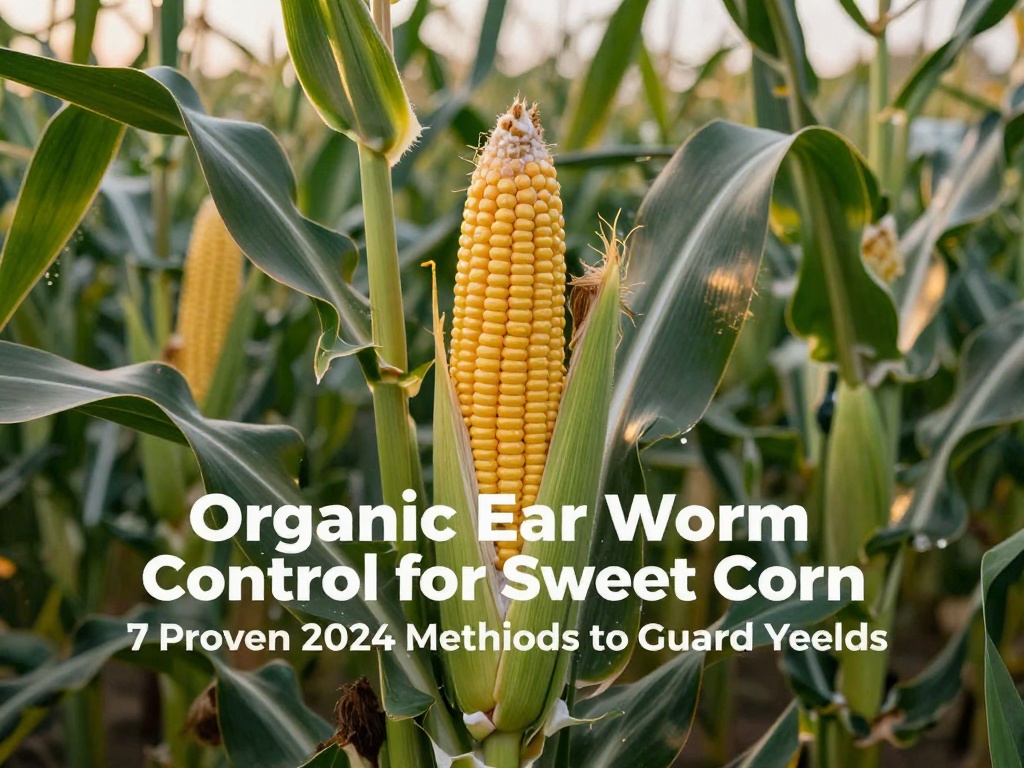
Organic Ear Worm Control for Sweet Corn: 7 Proven 2024 Methods to Guard Yields
Ear worms (Helicoverpa zea) are the number one pest threat to backyard and commercial sweet corn crops, with University of Illinois Extension data showing they can ruin up to 70% of unprotected yields. If you’re committed to chemical-free growing, mastering organic ear worm control for sweet corn is non-negotiable to harvest plump, pest-free cobs. These invasive pests burrow into corn ears to feed on kernels, leaving behind frass and mold that make produce unmarketable or unfit for home consumption.
Why Organic Ear Worm Control Is Critical for Sweet Corn Growers
The Risks of Reliance on Synthetic Pesticides
Many synthetic pesticides designed to kill ear worms leave harmful residues on sweet corn kernels, which are often consumed without heavy peeling. The Environmental Working Group’s 2024 Dirty Dozen list ranks sweet corn as a high-risk crop for pesticide residue when conventionally grown, making organic control a safer choice for families and consumers. Additionally, overuse of synthetic pesticides has led to widespread ear worm resistance in 35 U.S. states, per a 2023 Purdue University study, rendering many common chemical treatments ineffective long-term.
7 Proven Organic Ear Worm Control Methods for 2024
1. Timed Planting to Avoid Peak Ear Worm Hatch
Ear worms hatch in mid-to-late summer in most U.S. growing zones, so planting early-maturing sweet corn varieties 1-2 weeks before the local hatch window can reduce infestation risk by 40%, per University of Minnesota Extension. Early planted corn matures before ear worm populations explode, giving you a full harvest before pests become a major threat.
2. Apply Beneficial Nematodes to Garden Soil
Beneficial Steinernema carpocapsae nematodes are natural parasites that kill ear worm larvae that overwinter in garden or farm soil. Apply them to moist soil 2 weeks before planting sweet corn, and reapply mid-season to target wandering larvae. A 2022 University of California study found this method reduced soil-borne ear worm populations by 62% in commercial sweet corn fields.
3. Use Organic Bt (Bacillus thuringiensis) On Corn Silks
Bt kurstaki is a naturally occurring bacteria that kills ear worm larvae when they consume treated corn silk, with no harmful effects on humans, bees, or beneficial insects. Apply Bt directly to corn silks every 2-3 days once silks first emerge, as new silks grow rapidly and need re-treatment. This is one of the most widely recommended organic control methods by extension services across North America.
4. Hand-Pick Larvae and Trim Infested Ear Tips
For small-scale backyard growers, hand-picking visible ear worms and trimming ¼ inch off the tip of infested corn ears can eliminate most minor infestations without additional inputs. This method works well for low-population pest years, and the trimmed cobs are still safe to eat as long as you discard the damaged tip. It’s a zero-cost, low-effort option for home gardeners with 20 or fewer corn plants.
5. Deploy Pheromone Traps to Disrupt Mating
Ear worm pheromone traps release synthetic sex hormones that attract male moths, preventing them from mating with females to lay eggs. Place 1 trap per 5 acres of commercial corn, or 1 trap per 10 backyard corn plants, to track moth populations and reduce mating success. A 2023 Ohio State University study found pheromone traps reduced ear worm infestations by 51% when used alongside other organic control methods.
6. Plant Trap Crops to Divert Pests From Corn
Trap crops like sunflowers or sorghum planted 2-3 feet around your sweet corn patch attract ear worm moths away from your corn crop. Moths prefer to lay eggs on sunflower silks over corn, allowing you to treat or remove the trap crop instead of losing your sweet corn. University of Georgia Extension recommends this intercropping method for organic growers looking to reduce overall pest pressure across their farm.
7. Apply Food-Grade Mineral Oil to Silks
A simple, low-cost method for home growers: apply 1-2 drops of food-grade mineral oil to the base of each corn ear’s silk once 90% of the silks in a patch have turned brown. The oil suffocates any newly hatched ear worm larvae, preventing them from burrowing into the ear. A 2021 Cornell University home gardening study found this method reduced infestations by 80% for backyard sweet corn growers.
Frequently Asked Questions
What is the most effective organic ear worm control for sweet corn?
For most growers, Bt (Bacillus thuringiensis) is the most reliable organic treatment, with 90% of extension service reports citing it as the top method for reducing ear worm damage. It works for both small and large-scale operations, is safe for pollinators, and leaves no harmful residues on corn.
Can I prevent ear worms in sweet corn without any pesticides?
Yes, small-scale growers can combine timed planting, pheromone traps, hand-picking, and mineral oil applications to prevent ear worm infestations without using even organic-approved pesticides. Intercropping with repellent plants like marigolds can also add an extra layer of pest protection.
When should I start applying organic ear worm control for my sweet corn?
Start monitoring for ear worm moths with pheromone traps 2 weeks before your corn starts to produce silks. Begin applying treatments like Bt or mineral oil as soon as the first silks emerge, to target newly hatched larvae before they can burrow into the protected ears.
No comments