
Strip Cropping for Soil Erosion Prevention: 2024 Practical Farmer’s Guide
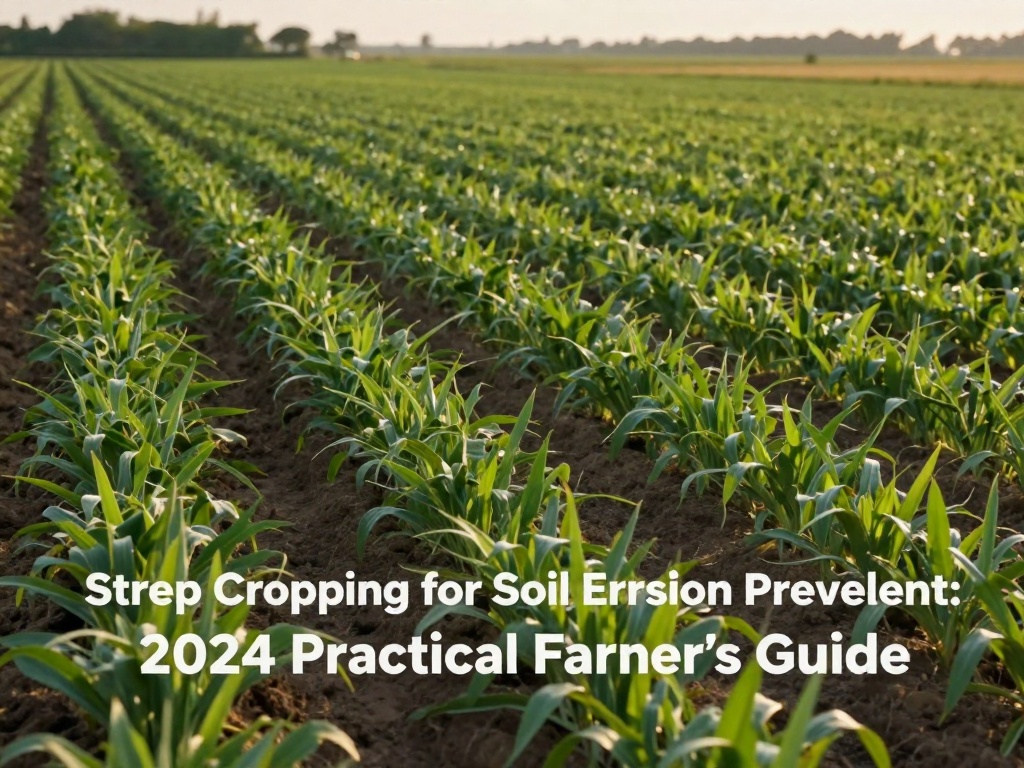
Strip Cropping for Soil Erosion Prevention: 2024 Practical Farmer’s Guide
Strip cropping for soil erosion prevention is a regenerative agricultural practice that dates back centuries, yet remains one of the most cost-effective solutions for small and large-scale farms alike. The U.S. Department of Agriculture (USDA) reports that soil erosion costs American agriculture over $44 billion annually in lost crop productivity and ecosystem damage, making proactive conservation practices non-negotiable for modern farmers. Unlike monocropping, which leaves large swathes of bare soil vulnerable to wind and water runoff, strip cropping alternates rows of deep-rooted and shallow-rooted crops to hold soil in place.
What Is Strip Cropping, and How Does It Stop Soil Erosion?
Core Mechanics of Strip Cropping
Strip cropping divides farm fields into long, narrow strips of alternating crops, typically aligned perpendicular to the field’s slope or prevailing winds to intercept water runoff and wind gusts. Most systems pair row crops like corn or soybeans with cover crops or small grains like wheat or clover, which create a dense protective layer over exposed soil. The deep root systems of perennial or cover crops bind soil particles together, while above-ground foliage dissipates the force of rain and wind before they can dislodge nutrient-rich topsoil.
Proven Erosion Reduction Metrics
A 2023 USDA Natural Resources Conservation Service (NRCS) study found that well-implemented strip cropping reduces water erosion by up to 80% and wind erosion by up to 75% compared to conventional monocropping. These performance metrics are comparable to more expensive structural solutions like terraces, making strip cropping accessible for low-budget farm operations. Alternating crop rows also slow runoff speed by 50%, allowing more water to infiltrate the soil instead of carrying topsoil off-site.
Common Strip Cropping Systems for Erosion Control
1. Contour Strip Cropping
Contour strip cropping is the most widely used system for sloped farmland, as strips follow the natural elevation contours of a field. This alignment maximizes water retention by preventing runoff from gaining speed as it flows downhill. The NRCS recommends this system for fields with slopes between 2% and 12%, where water erosion is the primary threat to topsoil health.
2. Wind Strip Cropping
Designed for flat, arid regions prone to wind erosion, wind strip cropping aligns strips perpendicular to prevailing wind patterns. Farms in the U.S. Great Plains, for example, alternate rows of corn with dense winter wheat to block wind from picking up dry, bare soil particles after harvest. This system is a staple for farms in Kansas and Nebraska, where severe dust storms can strip several inches of topsoil in a single weather event.
3. Permanent Strip Cropping
Permanent strip cropping alternates annual row crops with perennial strips of grass or legumes that stay in place for multiple years. This system delivers long-term erosion control, as the perennial roots continuously bind soil, while also supporting pollinators and reducing nutrient runoff. It is ideal for small farms that prioritize dual conservation and production goals.
Additional Benefits of Strip Cropping Beyond Erosion Prevention
While strip cropping’s primary use is soil erosion control, it delivers a range of secondary benefits that boost long-term farm profitability. It naturally suppresses pests and weeds, as alternating crops disrupt the habitat of crop-specific pathogens and insects, reducing the need for synthetic pesticides. A 2022 study from Iowa State University found that strip cropping farms reduced herbicide use by 25% and insecticide use by 20% compared to monocropping operations.
Strip cropping also improves soil health over time, increasing organic matter content and nutrient retention, which boosts average crop yields by 10-15% in as little as three years of consistent implementation. It also supports biodiversity by creating varied habitats for beneficial insects, birds, and soil microorganisms that contribute to a resilient farm ecosystem.
Frequently Asked Questions
Is strip cropping compatible with modern farm equipment?
Yes, most modern planters, harvesters, and sprayers can be adjusted to work with the standard strip widths (20-60 feet) used in most strip cropping systems. Many equipment manufacturers offer add-ons to help farmers align their tools with strip layouts, eliminating major operational disruptions.
What financial support is available to implement strip cropping?
The NRCS offers cost-share programs for U.S. farmers that cover up to 90% of implementation costs for eligible conservation practices, including strip cropping. Many state-level agricultural departments also offer grants and tax incentives for farmers that adopt proven erosion control methods.
Can strip cropping be used on organic farms?
Absolutely, strip cropping is a core practice for organic regenerative farms, as it reduces reliance on synthetic inputs while protecting long-term soil health. It aligns with all USDA organic certification standards, and many third-party organic certifications prioritize strip cropping as a qualifying sustainable practice.
No comments