
Compost Application Timing for Winter Wheat: 2024 Proven Farmer’s Guide
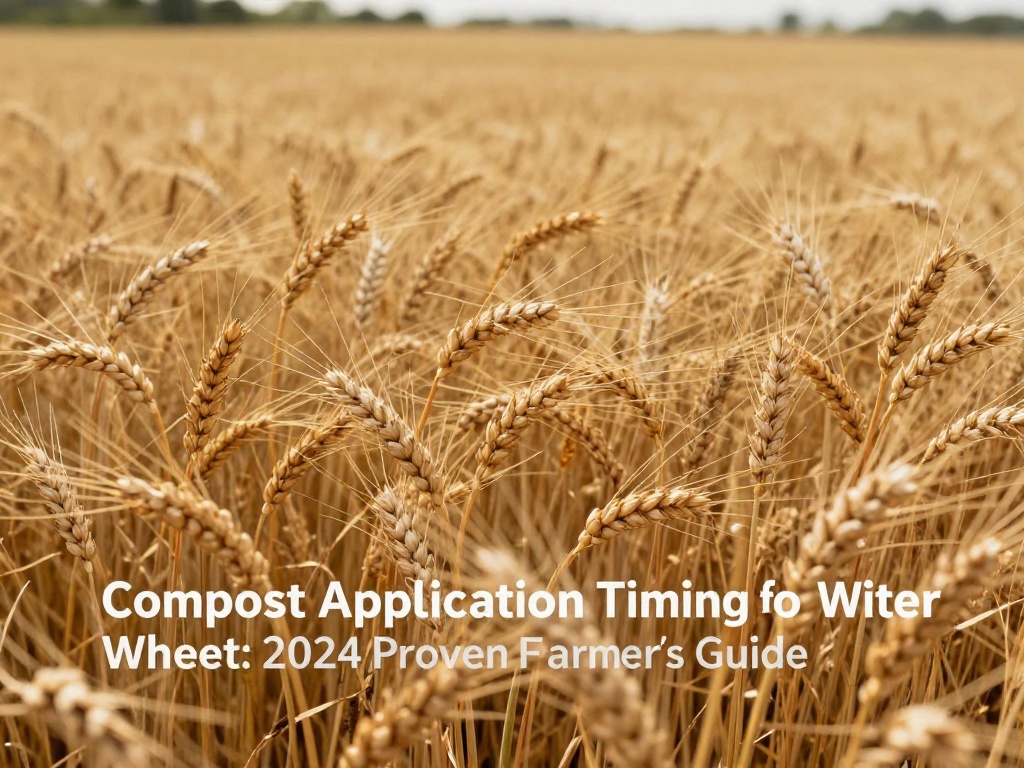
Compost Application Timing for Winter Wheat: 2024 Proven Farmer’s Guide
Getting the compost application timing for winter wheat right is one of the most impactful low-cost steps to boost your crop’s resilience and yield, according to 2023 data from the USDA’s Agricultural Research Service (ARS). Winter wheat, planted in fall to overwinter and mature in early summer, relies on the consistent nutrient release that well-timed compost provides, avoiding wasted resources or crop damage. Unlike fast-acting synthetic fertilizers, compost breaks down slowly, so its timing directly aligns with the wheat’s critical growth stages.
Why Timing Matters for Compost and Winter Wheat Health
Winter Wheat’s Unique Nutrient Demand Cycle
Winter wheat has two distinct growth phases that dictate core nutrient needs: fall root establishment before the first frost, and spring green-up when it puts on vegetative growth ahead of heading. Compost releases nitrogen, phosphorus, and potassium gradually, so misaligned application can lead to excess nitrogen in fall that triggers tender growth vulnerable to winter kill, or insufficient nutrients in spring that limits yield. ARS data shows properly timed compost increases winter wheat yields by an average of 12% compared to untimed applications.
Risks of Poorly Timed Compost Application
Applying compost too early or too late creates avoidable risks for your winter wheat crop. If you spread compost in late summer before soil temperatures drop, excess nutrient release can lead to lush, frost-sensitive topgrowth that dies off in the first hard freeze. Applying compost too late in spring, after the wheat has entered its rapid growth phase, means nutrients aren’t available when the crop needs them most, leading to stunted development and lower grain test weights.
The Ideal Compost Application Windows for Winter Wheat
Fall Pre-Planting: The Top Recommended Window
The most widely supported timing for compost application for winter wheat is 3 to 4 weeks before you plant your seed, per Penn State Extension’s agronomy team. This window gives compost 2-3 weeks to begin integrating with the top 6 to 8 inches of soil, releasing initial nutrients that support root growth right after planting. For most mid-latitude U.S. regions, spreading and tilling compost in mid-September for an October planting aligns nutrient release with the crop’s first growth push.
Early Spring Top-Dress: A Secondary No-Till Option
For no-till winter wheat operations where fall incorporation isn’t feasible, early spring top-dressing of compost works as a reliable alternative. You should apply compost before green-up is complete, typically 2 to 3 weeks after snowmelt, when soil is workable but the wheat hasn’t begun rapid stem elongation. This timing ensures compost begins breaking down as the crop’s spring nutrient demand spikes, without smothering young wheat plants.
Regional adjustments are critical for these timelines. Northern U.S. and Canadian wheat growers should shift fall application 2 weeks earlier to account for earlier first frosts, while southern U.S. growers can delay fall application by 2 weeks to avoid excess warm-season nutrient release.
Best Practices to Maximize Compost Benefits
Test Your Compost Before Application
Always test your compost’s nutrient content and maturity before spreading it on winter wheat fields. Immature compost can tie up soil nitrogen as it breaks down, depriving your crop of critical nutrients. Mature compost has a dark, crumbly texture and earthy smell, with a C:N ratio between 20:1 and 30:1, ideal for winter wheat’s needs.
Incorporate Compost for Maximum Efficiency
If you’re using conventional tillage, till compost into the top 6 inches of soil after spreading to avoid nutrient loss from wind or water runoff. For no-till systems, use a calibrated compost spreader that applies a thin, even layer to prevent smothering wheat plants and support natural breakdown into the soil profile.
Frequently Asked Questions
Can I apply compost to winter wheat right after planting?
It’s not recommended to apply compost immediately after planting winter wheat. Post-planting application delays nutrient availability for early root growth, and unincorporated compost can block seedling emergence in fall, leading to patchy, low-density stands that reduce overall yields.
How much compost should I apply to winter wheat fields?
The standard application rate for mature compost for winter wheat is 5 to 10 tons per acre, adjusted to your soil’s existing nutrient levels. A soil test taken 6 months before planting will help you refine this rate to match your field’s specific needs, avoiding over-application that wastes resources and increases runoff risk.
Does properly timed compost reduce winter kill risk for winter wheat?
Yes, when applied at the correct time, compost reduces winter kill risk by supporting strong root development in fall and improving soil structure, which insulates roots from extreme winter temperature swings. Misapplied compost can increase winter kill risk by triggering tender fall topgrowth, so precise timing is critical to unlock this benefit.
No comments