
Compost Tea for Tomato Blight Prevention: 2024’s Proven Organic Guide
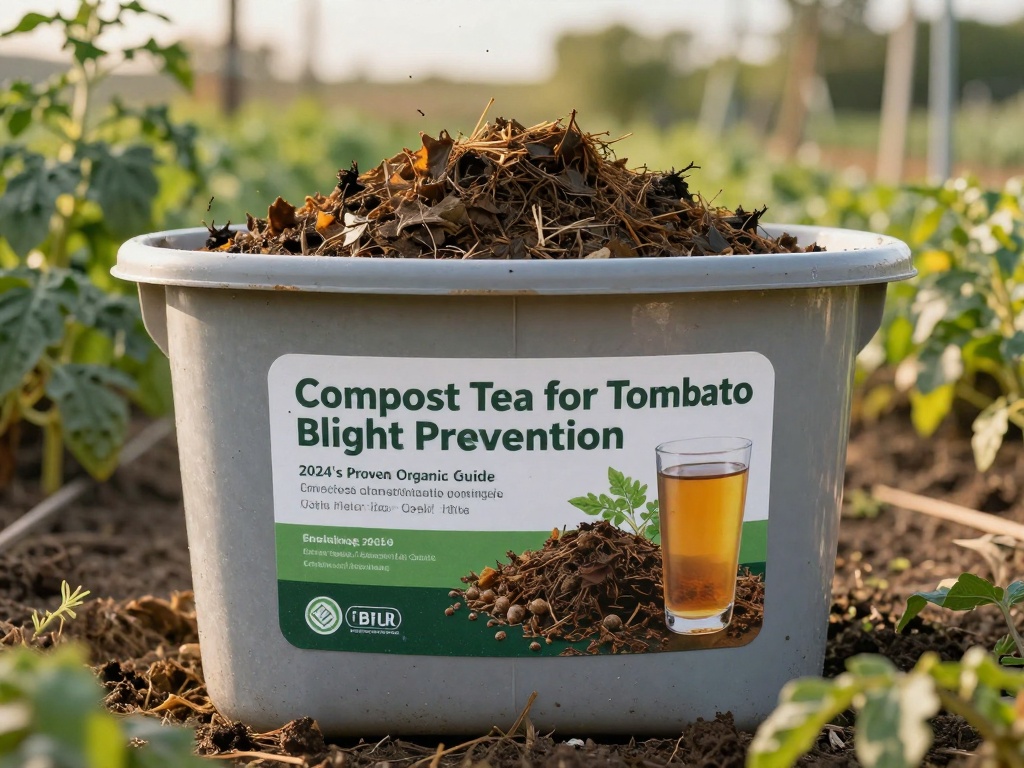
Compost Tea for Tomato Blight Prevention: 2024’s Proven Organic Guide
Compost tea for tomato blight prevention is a leading organic solution for home gardeners and small-scale farmers looking to avoid synthetic fungicides. A 2023 University of Massachusetts Amherst Extension field trial found that regularly applied aerated compost tea reduced early tomato blight incidence by 62% compared to untreated control plots. This natural treatment works to suppress pathogens while boosting overall plant health.
What Is Tomato Blight, And Why Is It A Critical Threat?
Tomato blight refers to two common destructive diseases: early blight (caused by the fungus Alternaria solani) and late blight (caused by the oomycete Phytophthora infestans), the same pathogen that triggered the 1840s Irish potato famine. Both diseases spread rapidly in warm, humid conditions, moving between plants via wind-carried spores and rain splash. Left unmanaged, blight can destroy an entire tomato crop in as little as two weeks.
How Compost Tea Stops Tomato Blight Before It Takes Hold
Beneficial Microbes Outcompete Harmful Pathogens
Aerated compost tea is brewed to concentrate the billions of beneficial bacteria and fungi found in mature, hot-composted organic material. Key species like Bacillus subtilis colonize tomato leaves and stems, forming a protective barrier that blocks blight spores from attaching and penetrating plant tissue. Ohio State University Extension confirms that these beneficial microbes can even break down blight spores on contact before they cause infection.
It Strengthens Tomato Plants’ Natural Defenses
Foliar application of compost tea also triggers a plant’s natural systemic acquired resistance (SAR), a biological defense mechanism that makes tomatoes more resilient to pathogen attack. The tea also delivers trace nutrients like calcium and magnesium that thicken plant cell walls, making it harder for blight pathogens to invade. This dual action works far better than many single-mode synthetic fungicides for long-term prevention.
Step-By-Step Guide To Brew And Apply Compost Tea For Blight Prevention
Brew A Effective, Disease-Fighting Batch
To brew compost tea that works for blight prevention, start with 1 part fully cured hot compost (heated to 130–170°F to kill harmful pathogens) and 5 parts dechlorinated tap or rain water. Add 1 tablespoon of unsulfured molasses per 5 gallons of water to feed the beneficial microbes as they multiply. Aerate the mixture continuously for 24–48 hours using an aquarium air pump to maintain high oxygen levels, which support the growth of disease-fighting aerobic microbes.
Apply Correctly For Maximum Protection
Apply your finished compost tea as a foliar spray early in the morning, so excess moisture evaporates from leaves before evening to avoid fostering secondary mold growth. Target the undersides of leaves, where blight spores most commonly land and germinate. Reapply the spray every 10–14 days, and within 24 hours of any heavy rain that washes the protective microbial layer off your plants. You can also apply a soil drench to boost root health and suppress soil-borne blight pathogens.
Additional Tips To Boost Blight Prevention Success
Compost tea works best as part of an integrated blight management plan. Combine regular applications with crop rotation (avoid planting tomatoes or related solanaceous crops in the same spot for three years), spacing plants 2–3 feet apart to improve air circulation, and removing any infected plant material immediately to stop spore spread. Cornell University Extension data shows that combining these practices with compost tea reduces overall blight risk by 91% for most home garden and small farm settings.
Frequently Asked Questions
Can compost tea stop blight after I first see symptoms on my tomato plants?
Compost tea is most effective as a preventative treatment, but it can slow the spread of early blight if you catch symptoms at their first sign. Remove all infected leaves, seal them in a plastic bag, and dispose of them, then apply compost tea every 7 days to all remaining healthy foliage. It cannot reverse damage to already infected tissue, so prompt action is critical.
Is store-bought compost tea as effective as homemade for blight prevention?
Store-bought compost tea can work, but only if it is labeled as aerated and tested to contain active beneficial microbes like Bacillus amyloliquefaciens or Bacillus subtilis. Avoid generic, non-aerated compost teas, which often lack the microbial density needed to suppress blight pathogens. Homemade brews are generally more cost-effective and reliable for consistent season-long protection.
How often do I need to apply compost tea to prevent tomato blight all season?
For standard growing conditions with average humidity, apply compost tea every 10–14 days starting when you transplant your tomato seedlings into the garden. If you live in a region with high summer humidity or frequent rain, shorten your application interval to 7 days to maintain a consistent protective layer of beneficial microbes on your plants.
No comments