
Native Pollinator Planting for Apple Orchards: 2024 Guide to Boost Yields
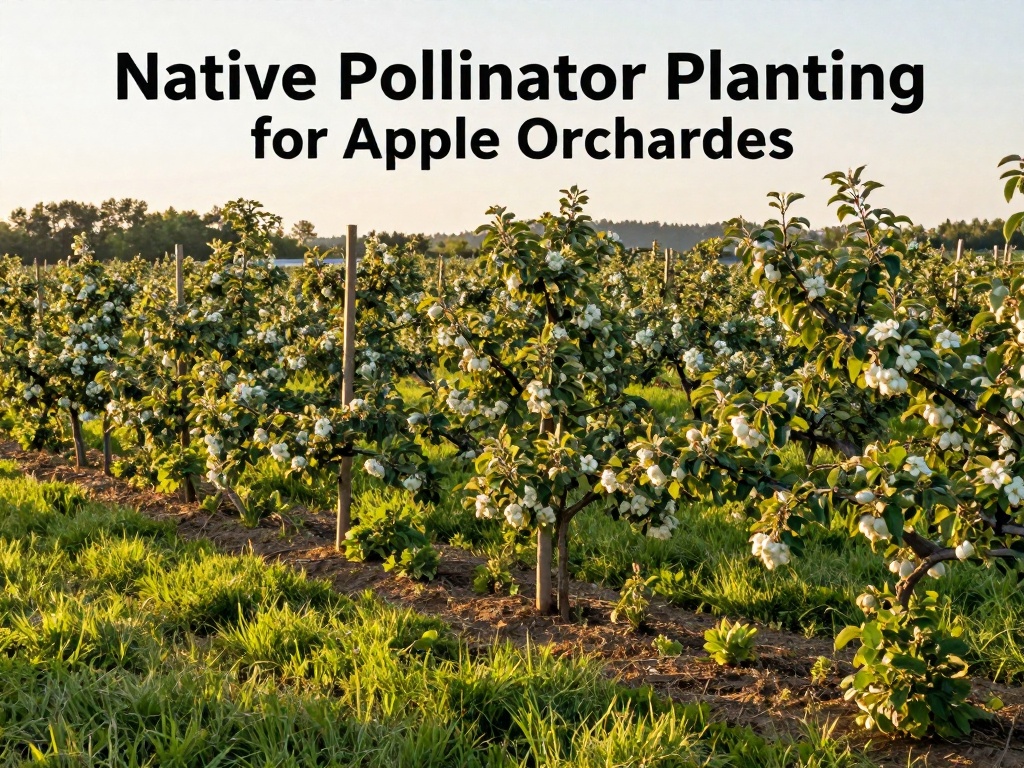
Native Pollinator Planting for Apple Orchards: 2024 Guide to Boost Orchard Yields
Native pollinator planting for apple orchards is a proven sustainable practice that addresses the 30% decline in wild bee populations across North America, per the 2023 U.S. Fish and Wildlife Service report. Apple orchards rely entirely on pollinators to transfer pollen between male and female apple blossoms, and commercial honeybees often underperform in large orchard settings, leading to 20-30% lower fruit set in unoptimized sites.
Why Native Pollinators Outperform Managed Honeybees for Apples
Longer Active Periods Align With Apple Bloom Windows
Most native bee species, including orchard mason bees and blueberry bees, emerge in early spring, exactly when apple trees begin to blossom. A 2022 Cornell University study found that native pollinators were 1.5x more efficient at pollinating apple blossoms than managed honeybees, which often delay foraging during cool, wet spring weather common in major apple-growing regions.
Resistance to Local Climate and Pest Stressors
Native pollinators are adapted to regional temperature swings, drought, and local pest pressures that regularly harm imported honeybee colonies. Unlike commercial honeybees, which require regular costly management to survive, wild native bee populations establish self-sustaining colonies in orchard edges and understories year after year.
Top Native Plants to Add to Your Orchard’s Understory
Spring-Blooming Species to Support Early Pollinators
Plant species that bloom one to two weeks before and after apple blossom season to provide continuous nectar and pollen for newly emerged pollinators. The Xerces Society recommends native spring bloomers like serviceberry, spring beauty, wild lupine, and native phlox, all of which thrive in the partial shade of mature orchard canopies.
Year-Round Bloomers to Sustain Long-Term Populations
Add mid-summer and fall-blooming species to support pollinators after apple harvest, ensuring they return to your orchard the following spring. Top choices include goldenrod, New England asters, common milkweed, and native sunflowers, all of which require minimal maintenance and do not compete with apple tree roots for core nutrients.
How to Design Your Pollinator Planting Layout for Maximum Impact
Border Strips for Large Commercial Orchards
For commercial operations spanning 10 acres or more, plant 10-foot wide pollinator strips along orchard edges, spaced every 200 feet to keep all apple blossom sites within the average foraging range of most native bees. A 2024 University of Michigan study found that orchards with this layout saw a 35% increase in marketable, full-sized apples compared to control sites with no pollinator plantings.
Interplanted Understory for Small Family Orchards
Small orchard owners can integrate low-growing native species directly between tree rows to save space. Avoid tall plants that block air flow or access to harvest equipment, and prioritize native groundcovers like Pennsylvania sedge that suppress weeds while providing shelter for ground-nesting native bees.
Frequently Asked Questions
How much land do I need to dedicate to native pollinator planting for apple orchards?
You only need to set aside 5-10% of your orchard’s total acreage to see measurable gains in fruit set and annual yield, per Xerces Society guidelines. Even small 10-foot wide border strips deliver significant benefits for both small family and large commercial operations.
Will native pollinator plants attract harmful pests to my apple trees?
Most native pollinator plants repel common orchard pests like aphids and codling moths, rather than attracting them. A 2023 Penn State University study found that orchards with established pollinator strips had 18% lower overall pest pressure than conventionally managed orchards with no native understory plantings.
Can I combine native pollinator planting with conventional orchard pest management?
Yes, but you must avoid spraying broad-spectrum insecticides like neonicotinoids during apple bloom, when pollinators are actively foraging. Opt for targeted pest treatments, or time all sprays for after petal fall to eliminate risk to native and managed pollinators working in your orchard.
No comments