
2024 Proven Guide: Native Wildflower Planting for Vegetable Pollinators
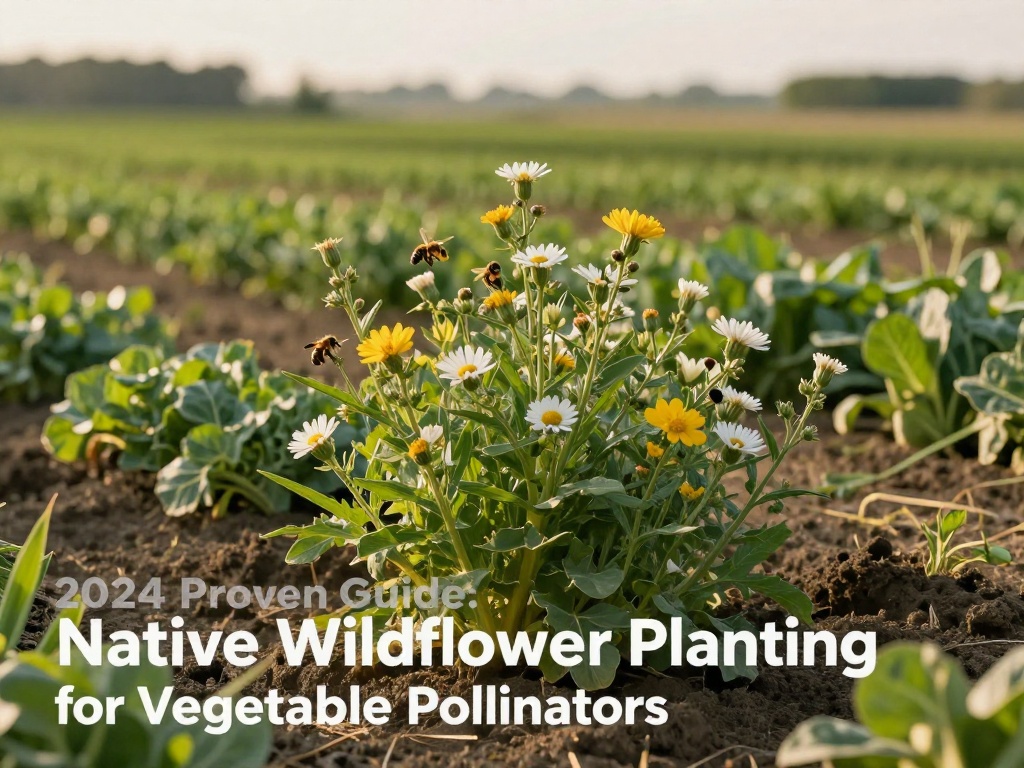
2024 Proven Guide: Native Wildflower Planting for Vegetable Pollinators
Native wildflower planting for vegetable pollinators is one of the most effective, low-cost strategies to boost commercial and backyard vegetable farm yields, according to 2023 research from the Xerces Society for Invertebrate Conservation. The study found that farms with integrated native wildflower strips saw a 30% increase in pollination rates for common crops like tomatoes, squash, and blueberries. Unlike non-native ornamental flowers, native wildflowers co-evolve with local pollinators, providing the right nectar, pollen, and habitat at exactly the right time of the growing season.
Core Benefits of Native Wildflower Strips for Vegetable Farms
Higher Crop Yields and Pollination Reliability
Wildflower strips attract a wider range of pollinator species, including native bumblebees, mason bees, hoverflies, and butterflies, that complement the work of managed honeybees. A 2024 study from Penn State University found that squash farms with wildflower borders produced 25% more marketable fruit than farms without wildflower habitats. These native pollinators are also more resilient to extreme weather, ensuring consistent pollination even when honeybee hives struggle during heatwaves or unseasonable cold snaps.
Reduced Pest Pressure and Input Costs
Many native wildflowers attract predatory insects that eat common vegetable pests like aphids, caterpillars, and whiteflies. This cuts reliance on synthetic pesticides, reducing input costs by an average of 18% for small-scale farms, per 2023 USDA data. Wildflower strips also reduce soil erosion by 70% compared to bare field edges, cutting the need for costly soil amendment products over time.
Long-Term Ecosystem Health for Your Farm
Native wildflower habitats support declining pollinator populations, 1 in 3 of which are at risk of extinction, according to the 2023 IPBES report. By integrating these plants into your farm, you create a self-sustaining ecosystem that requires minimal maintenance after the first two years of establishment. Most native wildflower species are drought-resistant and adapted to local soil conditions, so they rarely require irrigation or synthetic fertilizer.
Step-by-Step Guide to Planting Your Wildflower Strip
Choose Regionally Appropriate Native Species
Start by selecting wildflowers native to your USDA hardiness zone to ensure they thrive and support local pollinators. Midwest farms can plant purple coneflower, common milkweed, and goldenrod, while Pacific Northwest farms can choose western penstemon, Oregon grape, and pearly everlasting. Always source seeds from local suppliers to avoid introducing non-native genotypes that may fail to support local pollinator populations.
Prepare and Plant Your Site Correctly
Most wildflower strips work best along field edges, between crop rows, or in unused corners of your farm that receive at least 6 hours of full sun daily. Clear the site of weeds and invasive grass before planting, as these aggressive species can outcompete young wildflower seedlings. Most native wildflower seeds are planted in late fall to allow for natural cold stratification, which improves germination rates by up to 70% the following spring.
Maintain Your Strip for Long-Term Success
For the first year, pull any aggressive weeds that threaten to shade out young wildflower plants. After the first full growing season, you only need to mow the strip once a year in late winter to remove dead foliage and encourage new seasonal growth. Avoid using any pesticides or herbicides within 10 feet of the wildflower strip to protect pollinators and beneficial pest-controlling insects.
Frequently Asked Questions
How much space do I need to plant a functional wildflower strip?
You only need 2-3% of your total farm acreage dedicated to wildflower strips to see significant pollination benefits, according to the Xerces Society. Even small urban farms or backyard vegetable gardens can plant 10-foot wide strips along property lines to attract enough pollinators to boost crop yields.
Will native wildflowers spread invasively into my vegetable crop rows?
No, native wildflowers are adapted to local ecosystems and will not spread aggressively into your crop rows. Unlike non-native invasive species, native wildflowers stay contained to their planting site and only spread at a slow, manageable rate. You can edge the strip with a shallow 4-inch trench to prevent any root spread if you want extra control.
How long does it take for wildflower strips to start attracting pollinators?
Most wildflower strips will attract their first pollinators within 30 days of the first blooms appearing in the second growing season. By the third year, when the strip is fully established, you will see a consistent, diverse population of pollinators visiting your vegetable crops throughout the entire growing season.
No comments