
Pasture Rest Periods for Beef Cattle: 2024 Guide to Boost Forage & Profits
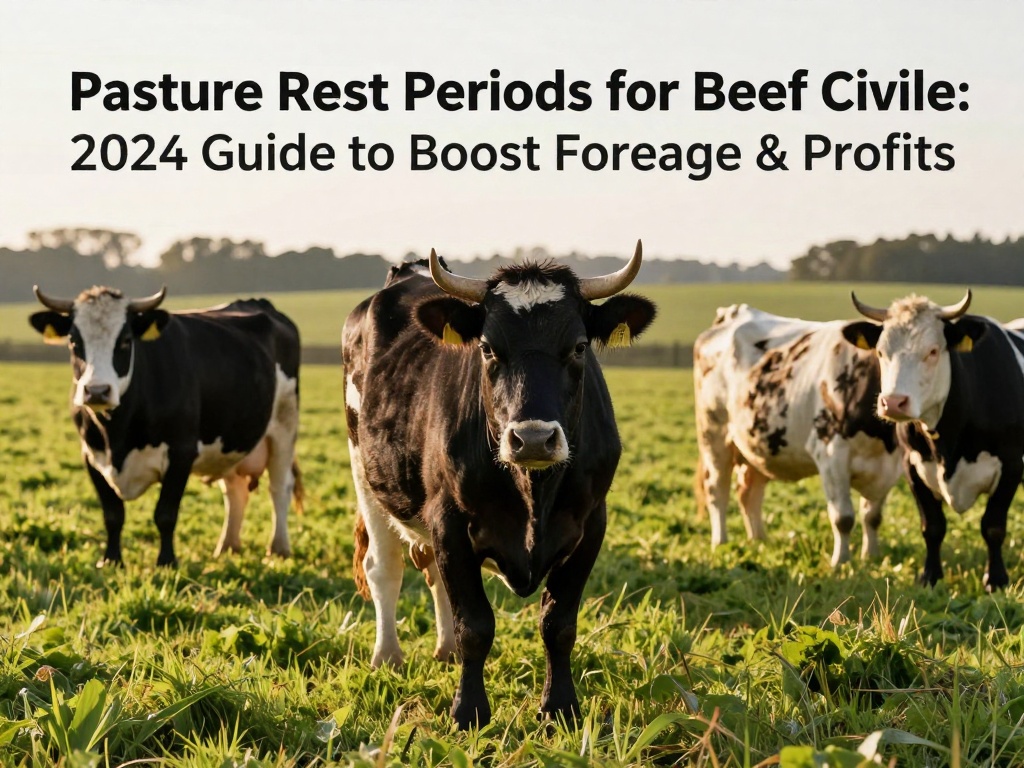
Pasture Rest Periods for Beef Cattle: 2024 Guide to Boost Forage & Profits
Proper pasture rest periods for beef cattle are a cornerstone of regenerative grazing, a practice that 78% of U.S. commercial beef operations adopted in 2023 per the USDA’s National Agricultural Statistics Service (NASS). Rest periods give grass and legume plants time to regrow their root systems and leaf matter, preventing overgrazing that can cut forage yields by up to 40% over two growing seasons. This simple, low-cost practice also boosts cattle weight gains by ensuring consistent access to nutrient-dense forage throughout the year.
Core Benefits of Correct Pasture Rest Periods
Improved Forage Health and Long-Term Pasture Viability
Unrestricted grazing weakens grass plants, forcing them to use stored root energy to regrow after being repeatedly grazed before they can replenish nutrient reserves. A 2022 study from the University of Illinois found that pastures with scheduled rest periods produced 35% more annual forage than continuously grazed pastures, as deep-rooted grasses like fescue and bluegrass had time to mature. Rest periods also reduce soil erosion by maintaining 70% or more ground cover, a threshold the Natural Resources Conservation Service (NRCS) recommends to protect topsoil.
Higher Cattle Weight Gains and Profit Margins
Cattle fed on rested pastures consume more nutrient-dense young forage, which has higher crude protein and digestibility than overgrazed, stunted grass. The NRCS reports that beef cattle on rotationally grazed (rested) pastures gain an average of 0.2 pounds more per day than cattle on continuous grazing systems, adding up to 60 extra pounds of weight per animal over a 300-day grazing season. That extra weight translates to roughly $90 more in revenue per head at 2024 average feeder cattle prices, making rest periods a high-return investment.
How Long Should Pasture Rest Periods Last?
Rest Periods by Climate and Forage Type
The ideal length of a rest period depends on your region’s growing conditions and the primary forage species in your pastures. For warm-season grasses like Bermudagrass and switchgrass, which grow rapidly in summer, rest periods of 21 to 28 days are sufficient for regrowth in most USDA hardiness zones 7 to 10. Cool-season grasses like timothy, orchardgrass, and fescue, which grow most actively in spring and fall, require 30 to 45 day rest periods to fully regrow in zones 3 to 6.
Adjusting Rest Periods for Drought or Slow Growth
During periods of drought, extreme heat, or cold, extend rest periods by 50% or more to account for slowed grass growth. Drought-stressed grasses take twice as long to regrow after grazing, so pushing cattle back into a pasture too soon can kill off entire stands of forage, requiring expensive reseeding. The NRCS recommends monitoring forage height before reintroducing cattle, waiting until grass regrows to 6 to 8 inches tall for most cool-season species, and 8 to 10 inches for warm-season varieties.
Common Mistakes to Avoid
Many new grazers make two critical mistakes that negate the benefits of rest periods: understocking pastures, which leads to over-mature, low-nutrient forage, and overstocking, which forces them to reintroduce cattle to pastures before they have fully rested. Another common mistake is ignoring rest periods in winter, even for dormant pastures. Trampling dormant grass can damage soil structure and kill new seedlings that germinate in late fall, leading to reduced yields the following spring.
Frequently Asked Questions
Can I use pasture rest periods for small-scale beef operations?
Yes, rest periods work for operations of any size. Even small farms with 10 acres or less can split pastures into two or three small paddocks, rotating cattle between them to give each section time to rest. This practice boosts forage yields enough to support an extra 1 to 2 head of cattle per year on most small farms.
How do I track rest periods to avoid implementation errors?
Most grazers use a simple digital calendar or free grazing management apps like PastureMap to log rotation dates and set reminders for when pastures are ready for cattle. You can also mark paddocks with physical tags that list the date you removed cattle, making it easy to check rest times at a glance.
Do rest periods work with all grazing systems for beef cattle?
Rest periods are a core component of most intensive grazing systems, including rotational grazing, mob grazing, and strip grazing. They can even benefit continuous grazing systems if you section off part of your pasture to rest for an entire growing season each year, restoring overgrazed areas over time.
No comments