
Codling Moth Trapping for Backyard Apple Trees: 2024 Tips to Save Your Crop
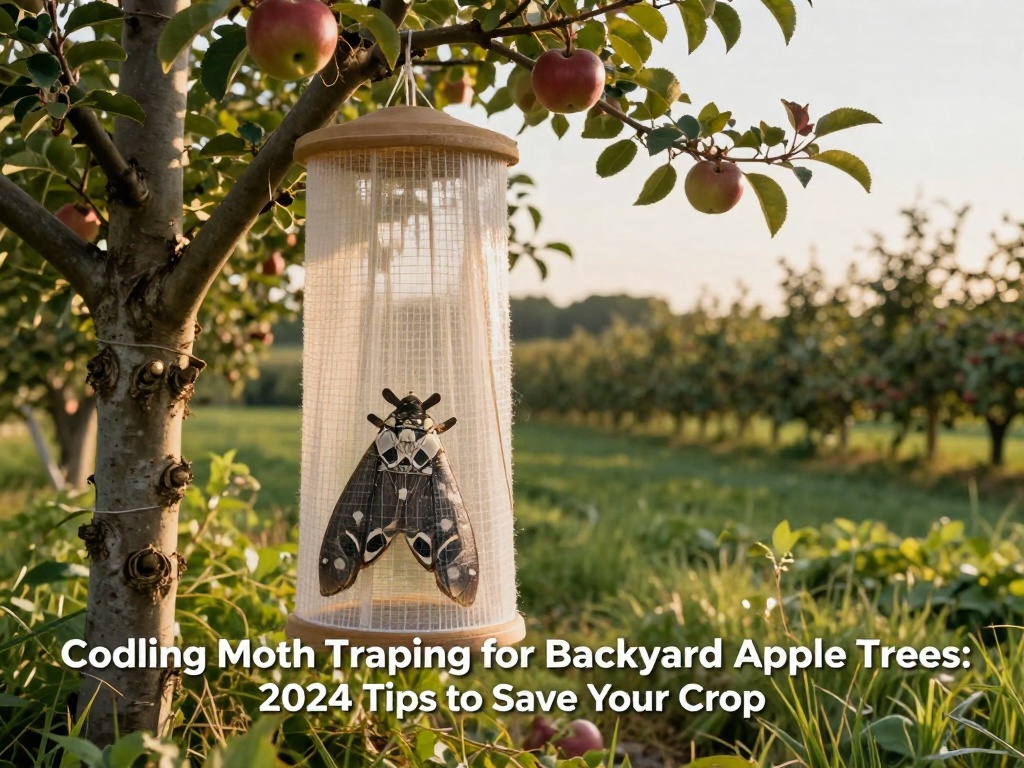
Codling Moth Trapping for Backyard Apple Trees: 2024 Tips to Save Your Crop
Codling moths are the most destructive pest for backyard apple trees, leaving fruit riddled with wormholes and unfit for eating. Codling moth trapping for backyard apple trees is a low-toxic, pollinator-safe solution to stop infestations before they ruin your annual harvest. Data from the United States Department of Agriculture (USDA) notes that trapping reduces codling moth populations by up to 85% in residential orchard settings, making it far more effective than reactive pesticide use.
Why Codling Moth Trapping Is Non-Negotiable for Backyard Growers
What Damage Do Codling Moths Cause?
Adult codling moths lay their eggs directly on developing apple fruit, and once eggs hatch, larvae bore into the center of apples to feed. This feeding leaves brown, mushy tunnels inside fruit, and infested apples often drop prematurely from the tree. Oregon State University Extension reports that 90% of unmanaged backyard apple trees will suffer codling moth infestations by mid-summer, with some growers losing their entire crop.
Why Trapping Outperforms Harsh Chemical Pesticides
Most common insecticides cannot penetrate apple skin to kill codling moth larvae once they have entered the fruit, so spraying only targets adult moths that happen to be in the area when you apply chemicals. Trapping, by contrast, targets male moths before they can mate and lay eggs, stopping the entire lifecycle before damage starts. It also eliminates the risk of toxic residue on your fruit, making it safe for families, pets, and critical pollinators like bees.
Step-by-Step Guide to Setting Up Your Codling Moth Traps
Choose the Right Trap Type
The gold standard for codling moth trapping is a pheromone-baited sticky trap, which mimics the scent of female moths to lure and trap males, preventing successful mating. Pre-baited commercial traps are widely available at garden centers, but you can build a low-cost DIY trap using a 1-gallon plastic jug, a small dish of water with a drop of dish soap, and a store-bought pheromone lure. University of Minnesota Extension testing found DIY traps work just as well as commercial options when paired with a fresh pheromone lure.
When and Where to Hang Your Traps
Hang your traps 1 to 2 weeks before your apple trees bloom, which falls in early spring for most USDA hardiness zones. This timing ensures you catch the first wave of emerging adult moths before they start breeding. Hang traps 4 to 5 feet high on a south-facing branch of your tree, to maximize sun exposure and scent dispersal. Use one trap per full-size apple tree, or one trap for every 5 dwarf apple trees, spacing traps at least 20 feet apart to avoid overlapping lure ranges.
Maintain Traps All Season Long
Check and empty your traps at least once a week to remove trapped moths and any debris that could block the lure. Replace your pheromone lure every 4 to 6 weeks, as the scent breaks down over time and loses effectiveness. Take all traps down within 1 week of finishing your harvest to avoid attracting overwintering moths that could cause issues the following growing season.
Pro Tips to Boost Trapping Success
Trapping works best when combined with other simple organic practices to reduce codling moth habitat and breeding opportunities. These high-impact additions to your trapping routine include:
- Pick up all fallen fruit from under your apple trees weekly, as dropped fruit often hosts codling moth larvae that can pupate and emerge the next year.
- Bag individual developing apples with fine mesh bags 2 to 3 weeks after petal fall to block moths from laying eggs directly on the fruit.
- Attract natural codling moth predators, like birds and parasitic wasps, by planting native flowering shrubs near your apple trees.
You can also track local codling moth activity using the USDA’s national Pest Tracker tool, which lets you see when moths first emerge in your region. Washington State University research found that setting up traps 3 days before local moth emergence boosts your catch rate by 70%, leading to far fewer infestations throughout the season.
Frequently Asked Questions About Codling Moth Trapping
Can I use codling moth traps if I only have one apple tree?
Absolutely, even a single apple tree benefits greatly from one codling moth trap. Traps work effectively in small residential spaces, and they also prevent moths from your tree from infesting neighboring fruit trees, including pears, crabapples, and quince. Most first-time users see a 70% reduction in wormy fruit in their first season of trapping.
Are DIY codling moth traps as effective as store-bought options?
Yes, DIY traps are just as effective as commercial store-bought traps when they use the same commercially produced pheromone lure. University of California Extension testing found that the only factor impacting trap success is the freshness of the lure, not the trap’s material or design. DIY traps can cut your supply costs by up to 50% compared to pre-assembled commercial traps.
What if I still find wormy apples after using traps?
Low-level infestations are common in the first year of trapping, as overwintering larvae from previous years can emerge even if you stop new moths from breeding. Combine trapping with regular sanitation and fruit bagging the following season, and Penn State Extension data shows you can expect a 90% reduction in wormy fruit by your second year of consistent trapping. Severe infestations can also be managed with a single application of organic spinosad, applied only during petal fall to avoid harming pollinators.
No comments