
2024 Guide: 7 Proven Frost Protection Methods for Apple Orchard Blossoms
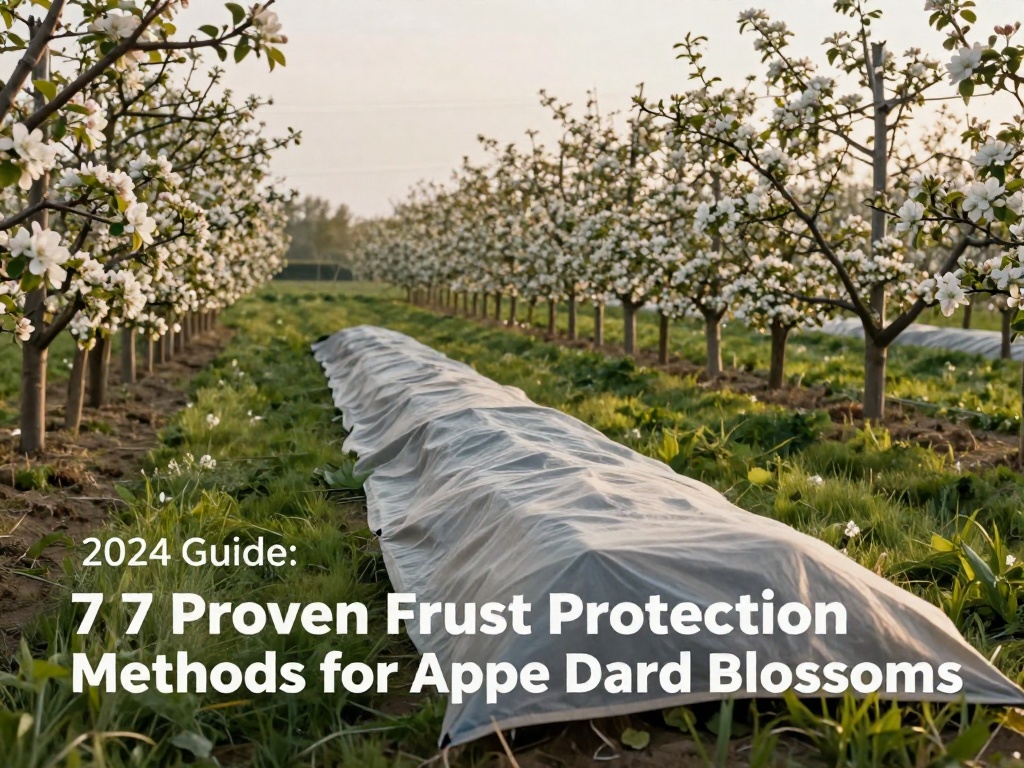
2024 Guide: 7 Proven Frost Protection Methods for Apple Orchard Blossoms
Late spring frosts are one of the most costly threats to commercial and small-scale apple growers alike. Tender new apple blossoms can be killed after just 30 minutes of exposure to temperatures below 28°F, often wiping out 70% or more of a season’s harvest. Implementing effective frost protection for apple orchard blossoms is non-negotiable for consistent yields and long-term orchard profitability. A 2023 study from Cornell University’s College of Agriculture found that 62% of apple crop losses in the Northeast U.S. stemmed from unmanaged blossom frost damage.
Why Apple Blossoms Are Extremely Vulnerable To Frost Damage
Unlike dormant winter buds that can withstand sub-zero temperatures, apple blossoms lose their cold hardiness as they develop in the spring. Each growth stage brings increased sensitivity to freezing temperatures, making full bloom the highest risk period for frost damage.
What Temperature Kills Apple Orchard Blossoms?
The threshold for frost damage varies by blossom development stage. Tight green buds can survive temperatures as low as 15°F, but once blossoms reach the open “pink bloom” or full bloom stage, temperatures below 28°F can cause irreversible cell damage. Damaged blossoms cannot be pollinated, leading to small, misshapen fruit or no fruit set at all.
7 Proven Frost Protection Methods For Apple Orchard Blossoms
1. Overhead Irrigation (Most Popular Active Protection Method)
Overhead sprinkler irrigation works by releasing latent heat as water freezes, coating blossoms in a thin layer of ice that maintains a constant temperature of 32°F, even when air temperatures drop lower. The U.S. Apple Association reports this method reduces blossom damage by up to 90% when operated correctly, making it the top choice for large commercial orchards.
2. Orchard Wind Machines To Reverse Temperature Inversions
Most frost events occur during temperature inversions, where cold, dense air gets trapped near the orchard floor, while warm air sits 20-50 feet above the tree canopy. Wind machines pull down that warm upper air, mixing it with cold surface air to raise orchard temperatures by 4-7°F. This method works best for flat, large-scale orchard sites with strong inversions.
3. Portable Heaters For Small, High-Value Orchard Blocks
For small orchards (under 10 acres) or high-value dwarf apple blocks, portable propane or wood-fired heaters are a cost-effective solution. Farmers typically deploy 10-20 heaters per acre to raise ambient temperatures by 3-5°F. Heaters are easy to store and deploy, making them ideal for small-scale growers with limited upfront capital.
4. Floating Frost Covers For Young Or Organic Orchards
Lightweight, permeable floating row covers can be draped over tree canopies to trap ground heat, raising blossom temperatures by 2-5°F. These covers allow sunlight, air, and water to reach the trees, so they can be left in place for multiple days of cold weather. They are also fully compatible with organic orchard certification standards.
5. Passive Site Planning To Avoid Frost Pockets
Long-term passive frost protection starts with orchard site selection. Planting trees on north-facing slopes or elevated ground prevents cold air from pooling around canopies, a common issue in low-lying “frost pockets.” Growers can also plant late-blooming apple varieties that flower after the average last frost date for their region, reducing risk entirely.
6. Organic Biopolymer Sprays For Added Insulation
Approved for organic production, these plant-based sprays coat blossom surfaces to strengthen cell walls and reduce moisture loss, raising freeze tolerance by 2-3°F. A 2022 study from Washington State University found that regular applications of biopolymer sprays reduced blossom frost damage by 24% in commercial apple orchards.
7. Pre-Bloom Nutrient Applications To Boost Hardiness
Applying calcium and potassium-based foliar sprays 2-3 weeks before bloom strengthens blossom cell walls, improving their ability to withstand freezing temperatures. This low-cost method can be paired with any other active frost protection strategy to add an extra layer of defense for high-yield orchard blocks.
How To Prep For An Impending Frost Event
Successful frost protection requires advance planning. Monitor NOAA’s local frost forecasts 3-5 days ahead of a predicted freeze to test irrigation systems, refuel heaters, and source enough covers for your entire orchard. Assign staff to monitor temperatures throughout the night to ensure all equipment is operating as intended.
Frequently Asked Questions
What is the most cost-effective frost protection method for small apple orchards?
For small-scale growers with fewer than 5 acres of apple trees, floating frost covers paired with portable propane heaters are the most cost-effective solution. These options cost 70% less upfront than permanent installations like wind machines or overhead irrigation, with comparable damage reduction for small blocks.
Are all frost protection methods compatible with organic apple orchard certification?
Nearly all core frost protection methods are eligible for organic certification, including wind machines, overhead irrigation, frost covers, and approved biopolymer sprays. Always confirm any new input with your organic certifier before use to ensure compliance with national standards.
How long does blossom frost risk last for apple orchards?
Frost risk for apple blossoms spans from the first pink bud stage through full petal fall, a period that lasts roughly 4 weeks in most U.S. growing regions. This typically falls between late April and mid-May, though the window shifts by 1-2 weeks for northern or high-altitude orchards.
Investing in reliable frost protection for apple orchard blossoms is one of the highest-return investments a grower can make, turning a potentially catastrophic loss into a consistent, profitable harvest year after year.
No comments