
Sheep Manure Composting for Vegetable Gardens: 2024 Proven Beginner’s Guide
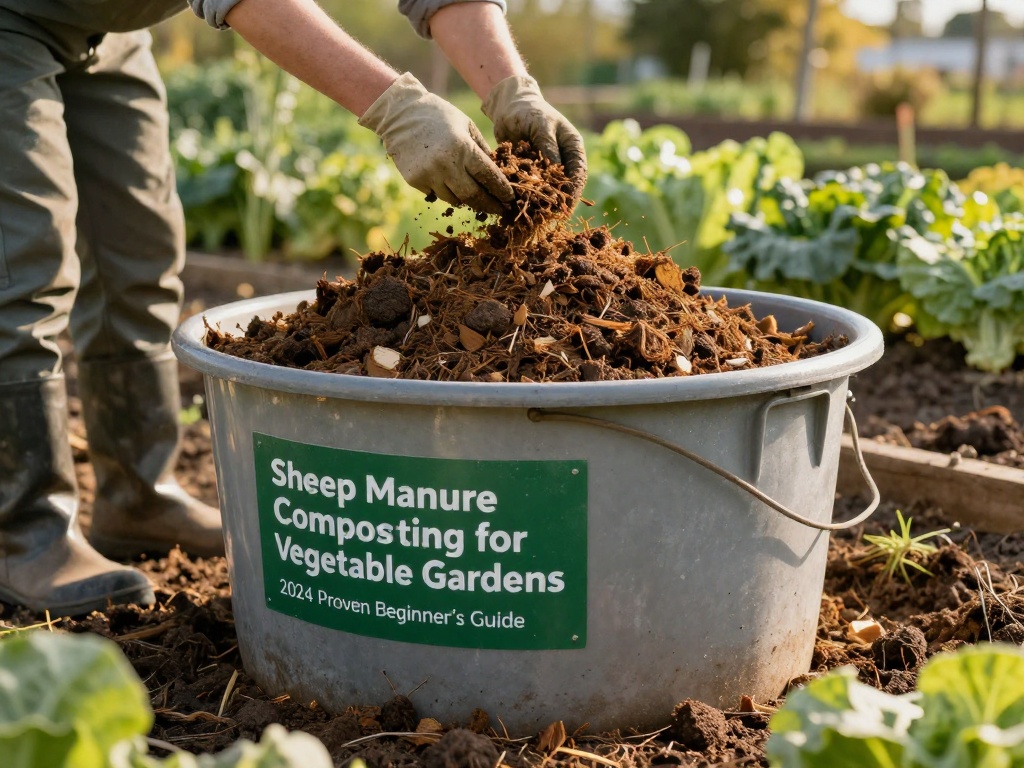
Sheep Manure Composting for Vegetable Gardens: 2024 Proven Beginner’s Guide
Sheep manure composting for vegetable gardens is one of the most underrated organic amendments to boost your home garden’s productivity this year. Unlike fresh livestock manure that can burn tender vegetable roots or carry harmful pathogens, properly composted sheep manure delivers balanced nutrients that support leafy greens, root crops, and fruiting plants alike. The USDA notes that well-composted manure improves garden soil water retention by up to 20%, cutting down on irrigation needs for casual and professional gardeners alike.
Why Sheep Manure Is Ideal for Vegetable Gardens
Balanced, Slow-Release Nutrient Profile
Sheep manure contains a gentle mix of core plant nutrients, with an NPK (nitrogen, phosphorus, potassium) ratio of roughly 0.7-0.3-0.4, per the University of Minnesota Extension. This low, slow-release profile prevents the sudden nitrogen spike that causes leafy plants to bolt early or develop weak, sappy growth prone to pest infestations.
Low Pathogen and Weed Seed Risk
Unlike chicken or horse manure, sheep manure typically has far fewer persistent weed seeds and foodborne pathogens like E. coli. Sheep’s compact digestive system breaks down most grass and weed seeds during digestion, while their manure heats up quickly during composting, killing any remaining harmful pathogens that could contaminate edible vegetables.
Step-by-Step Guide to Sheep Manure Composting
Gather Your Core Composting Materials
Start by collecting raw sheep manure from a trusted organic farm, brown carbon-rich materials like dry leaves, straw, and shredded cardboard, and green nitrogen-rich scraps like coffee grounds and fresh vegetable peels. Aim for a 3:1 ratio of brown materials to sheep manure and greens to maintain proper airflow and decomposition speed.
Build and Maintain Your Compost Pile
Layer your materials in a minimum 3x3x3 foot pile, alternating thin layers of manure, browns, and greens. Keep the pile as moist as a wrung-out sponge, and turn it every 10 days to introduce oxygen. The University of California Extension recommends maintaining a core pile temperature of 130–150°F for three consecutive days to kill all pathogens and weed seeds.
Cure and Apply Finished Compost
After 4–6 weeks of active decomposition, let your compost cure for an additional 2 weeks to let nutrients fully stabilize. Finished sheep manure compost will be dark, crumbly, and smell like fresh forest earth. Mix it into your vegetable garden’s top 6 inches of soil at a rate of 20–30 pounds per 100 square feet before spring planting season.
Common Mistakes to Avoid
Even experienced gardeners can make small errors that reduce the benefits of sheep manure compost. The most common mistake is applying fresh sheep manure directly to growing vegetables, which can introduce pathogens and burn young, tender root systems. Another frequent error is skipping the curing step, which leads to unstable nutrients that don’t feed plants consistently.
Never add sheep manure from animals treated with persistent dewormers, as these chemicals can remain in manure and harm beneficial soil microbes that support plant growth. Always source manure from local farms that use organic, chemical-free livestock practices for your edible garden.
Frequently Asked Questions
How long does sheep manure take to compost before it’s safe for vegetable gardens?
Sheep manure typically takes 6–8 weeks to fully compost and cure, making it safe for use in edible vegetable gardens. If you maintain proper pile temperatures, you can reduce this timeline to as little as 4 weeks for small, well-managed backyard piles.
Can I use composted sheep manure on all types of vegetable plants?
Yes, composted sheep manure is safe for all common vegetable plants, including tomatoes, leafy greens, carrots, squash, and peppers. Its slow-release nutrient profile supports both heavy-feeding plants like tomatoes and light-feeding root crops like carrots without causing damage.
Is composted sheep manure better than synthetic fertilizers for vegetable gardens?
For long-term garden health, yes. Composted sheep manure not only delivers core NPK nutrients but also improves soil structure, feeds beneficial soil microbes, and increases water retention, benefits that synthetic fertilizers cannot provide. The USDA’s sustainable agriculture division lists properly composted manure as a top amendment for long-term garden productivity.
No comments