
Comfrey Harvesting for Organic Garden Fertilizer: 2024 Easy Step-by-Step Guide
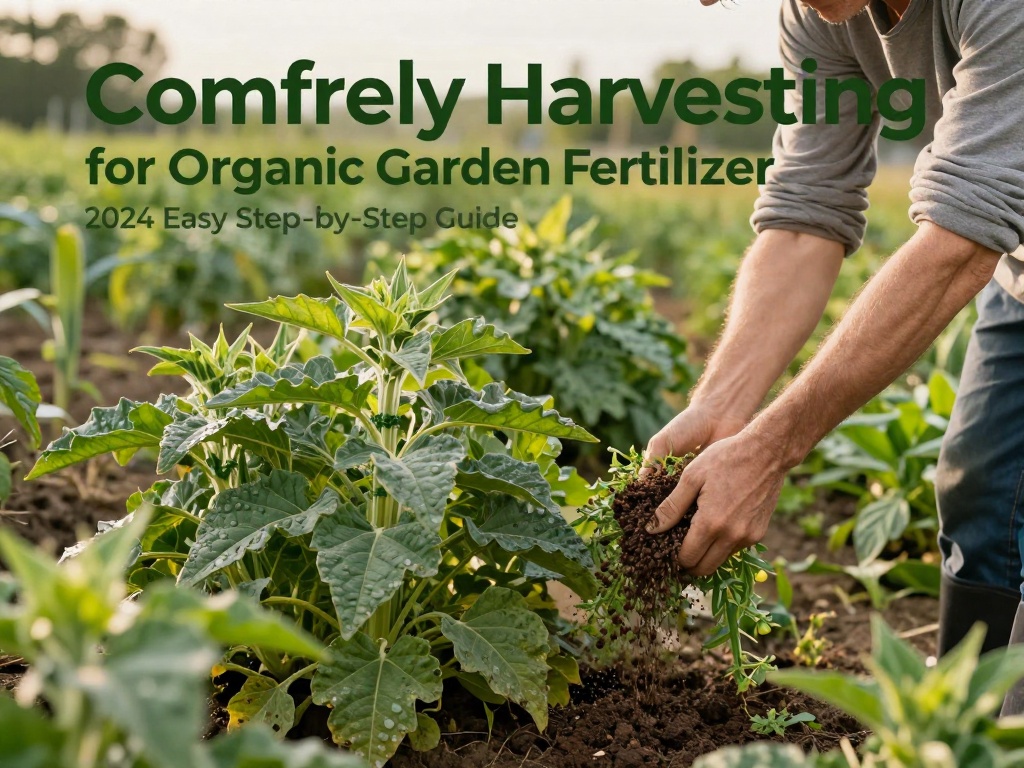
Comfrey Harvesting for Organic Garden Fertilizer: 2024 Easy Step-by-Step Guide
Comfrey harvesting for organic garden fertilizer is one of the most cost-effective, sustainable practices to level up your home or small-scale farm’s soil health. Comfrey, often called a “dynamic accumulator,” pulls deep nutrients like potassium, calcium, and magnesium from subsoil, concentrating them in its leaves for easy reuse. Unlike synthetic fertilizers, homemade comfrey fertilizer won’t harm beneficial soil microbes or leach harmful chemicals into groundwater, per USDA sustainable gardening guidelines.
Why Comfrey Works As A Top Organic Garden Fertilizer
What Makes Comfrey A Dynamic Accumulator
Comfrey grows a taproot that can reach 10 feet deep into soil, far beyond the reach of most common garden plants. This long root system accesses nutrients that topsoil lacks, drawing them up into its leafy foliage. When you harvest and process those leaves, you unlock those concentrated nutrients for your shallow-rooted vegetables, fruits, and herbs.
Nutrient Profile That Beats Many Commercial Blends
University of Minnesota Extension research confirms comfrey leaves contain 3x more potassium than aged farmyard manure, a key nutrient for flowering and fruiting plants. It also boasts 2% nitrogen and 0.5% phosphorus, making it a natural all-purpose fertilizer that supports all stages of plant growth. This nutrient density makes it a popular choice for organic gardeners looking to reduce external input costs.
When To Harvest Comfrey For Maximum Nutrient Content
First-Year Comfrey Harvest Rules
If you planted new comfrey (specifically the sterile Bocking 14 variety, the only recommended type for gardens) in spring, wait 8-10 weeks before your first harvest. This gives the young plant enough time to establish its deep taproot and store enough energy to regrow after cutting. Never harvest first-year comfrey after mid-September, as it needs time to prepare for winter dormancy.
Mature Comfrey: How Often To Harvest
Established comfrey plants (2+ years old) can be harvested 4-5 times per growing season in temperate climates, per Oregon State University Extension. The optimal time to harvest is just before the plant flowers, when nutrient levels in the leaves peak. Avoid harvesting within 48 hours of heavy rain, as excess water dilutes nutrient concentrations in the foliage.
Step-By-Step Guide To Proper Comfrey Harvesting
Gather Your Tools First
Harvesting comfrey requires only a few simple, low-cost supplies to protect both the plant and your hands:
- Sanitized sharp pruning shears to avoid transmitting disease to the comfrey crown
- Heavy-duty garden gloves to protect from rough, hairy leaf edges
- A clean 5-gallon bucket to collect harvested leaves
- A breathable tarpaulin if you plan to dry leaves for bulk mulch
Cut Leaves Correctly To Support Regrowth
Stand 1 foot away from the comfrey plant’s central crown, which sits just above the soil line. Cut all stems 2-3 inches above the crown, leaving a small number of young, small leaves to fuel regrowth. Never strip all foliage from the plant, as this will stunt its growth and reduce future harvests. Avoid cutting into the crown itself, as this can cause rot that kills the entire plant.
Post-Harvest Handling To Preserve Nutrients
Once harvested, process comfrey leaves within 24 hours to lock in nutrient levels. You can chop them and add as a mulch around fruit trees, steep them in water for 2 weeks to make liquid fertilizer, or dry them to store for off-season use. Never leave harvested comfrey leaves in a sealed pile, as they will rot and lose most of their valuable nutrients before you can use them.
Frequently Asked Questions
Can I harvest wild comfrey for organic garden fertilizer?
Wild common comfrey (Symphytum officinale) can be harvested, but it produces fertile seeds that spread aggressively and can become an invasive weed in your garden. The only recommended variety for garden use is sterile Bocking 14 comfrey, which cannot spread via seed and is bred for high nutrient content.
Is fresh harvested comfrey safe to use around all garden plants?
Fresh comfrey is safe to use around mature, established plants like tomatoes, squash, fruit trees, and berry bushes. Avoid placing fresh comfrey directly on the roots of young seedlings, as its high nitrogen content can burn tender new growth. Always chop fresh comfrey and bury it 2 inches deep in soil or age it for 1 week before use to reduce burn risk.
How long does homemade comfrey fertilizer stay potent?
Dried comfrey leaves retain 90% of their nutrient content for up to 12 months when stored in a cool, dry, dark space. Liquid comfrey fertilizer, strained and stored in sealed food-grade containers, stays potent for up to 6 months. For best results, use both forms within their shelf life to maximize plant nutrient uptake.
No comments