
7 Proven Spider Mite Organic Control for Greenhouse Peppers (2024 Guide)
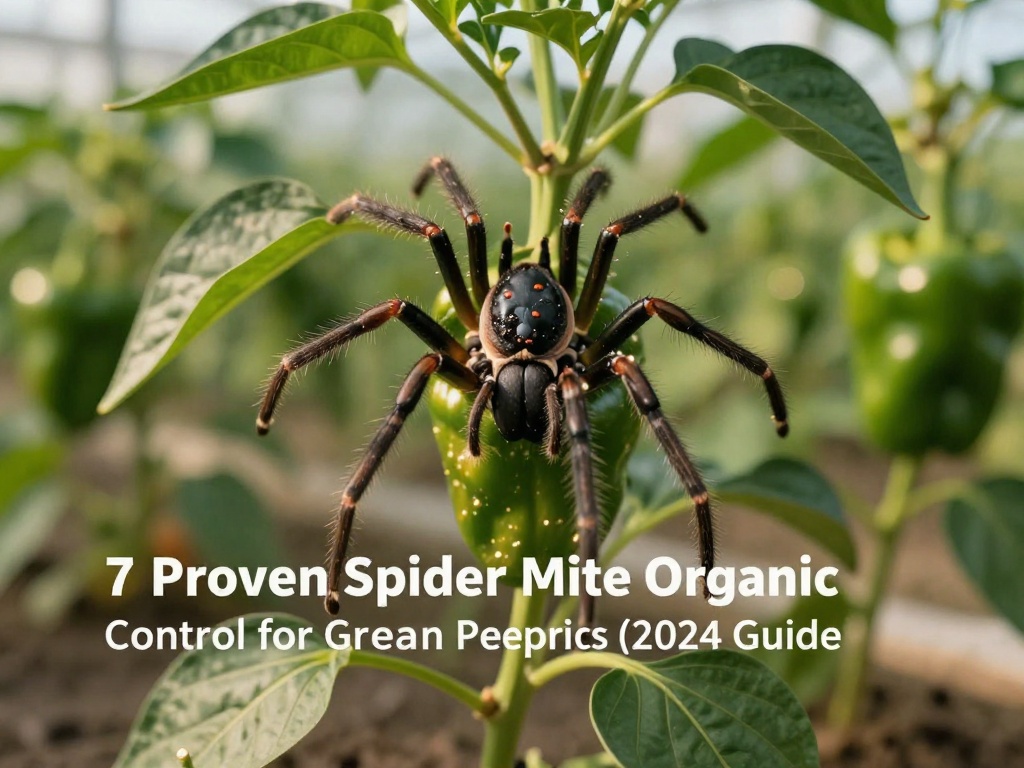
7 Proven Spider Mite Organic Control for Greenhouse Peppers (2024 Guide)
Spider mites are one of the most destructive pests for greenhouse pepper growers, capable of reducing yields by up to 50% if left unmanaged, per data from the University of Minnesota Extension. Reliable spider mite organic control for greenhouse peppers helps small-scale and commercial growers avoid synthetic pesticide residues that can limit market access for specialty pepper crops. These warm, enclosed greenhouse environments are ideal for spider mite reproduction, making proactive, organic control non-negotiable for consistent harvests.
Why Spider Mites Are Such a Threat to Greenhouse Peppers
Ideal Greenhouse Conditions Fuel Rapid Reproduction
Spider mites complete their full life cycle in as little as 5 days in temperatures between 70–80°F, the standard growing temperature for most greenhouse pepper varieties. A single female mite can lay over 100 eggs, leading to massive infestations that spread through pepper plant canopies in less than two weeks. Unlike outdoor pests, spider mites in greenhouses have no natural barriers to stop their spread, risking whole-crop losses if not caught early.
Pepper Plants Are Especially Susceptible to Mite Damage
Bell, jalapeño, and habanero pepper varieties have soft, nutrient-dense foliage that spider mites prefer to feed on, piercing leaf cells to suck out chlorophyll. Early signs of infestation include tiny yellow stippling on upper leaf surfaces, followed by fine webbing that covers leaves and stems as populations grow. Severe infestations cause leaf drop, reduced fruit set, and sunscald on peppers that lose their protective foliage.
7 Proven Organic Control Methods to Eliminate Spider Mites
1. Release Predatory Mites for Biological Control
Phytoseiulus persimilis, a predatory mite that feeds exclusively on spider mites, is the gold standard for organic greenhouse pest control, per Cornell University’s Integrated Pest Management (IPM) program. These beneficial mites reproduce faster than spider mites in most standard greenhouse conditions, wiping out infestations in 2–3 weeks. Release 10–20 predatory mites per infested pepper plant at the first sign of stippling for best results.
2. Apply Cold-Pressed Neem Oil Foliar Sprays
Cold-pressed neem oil, a naturally derived pesticide from the neem tree, disrupts spider mite feeding and reproduction without harming most beneficial insects when applied correctly. Mix 1 teaspoon of neem oil and ½ teaspoon of castile soap with a gallon of water, and spray the undersides of pepper leaves where spider mites lay their eggs. Reapply every 7 days for 3 weeks to break the mite’s full life cycle.
3. Use OMRI-Listed Insecticidal Soap for Fast Knockdown
OMRI-listed insecticidal soap kills spider mites on contact by dissolving their protective waxy outer layer, making it ideal for early, small-scale infestations. Unlike residual synthetic pesticides, insecticidal soap leaves no harmful residues on pepper fruit, making it safe for use even during active harvest periods. Avoid applying soap sprays in direct sunlight, as this can cause leaf burn on pepper plants.
4. Release Green Lacewings for Long-Term Prevention
Green lacewings are generalist beneficial insects that feed on spider mites, aphids, and other common greenhouse pests, making them a versatile addition to any organic IPM plan. Adult lacewings lay hundreds of eggs that hatch into predatory larvae that consume up to 200 spider mites each during their 2-week development period. Release lacewings at the start of each growing season to stop infestations before they start.
5. Maintain Optimal Greenhouse Humidity Levels
Spider mites thrive in dry air with humidity levels below 50%, a common issue in heated winter greenhouses where pepper crops are grown year-round. Use misting systems or small humidifiers to keep greenhouse humidity between 55–65%, which slows spider mite reproduction without increasing the risk of fungal diseases that plague peppers in overly wet conditions. Use exhaust fans to circulate air and prevent excess moisture buildup on leaves.
6. Apply Food-Grade Diatomaceous Earth to Plant Bases
Food-grade diatomaceous earth (DE) is a non-toxic powder that scratches the waxy outer layer of spider mites, causing them to dehydrate and die within 48 hours of contact. Dust a thin layer of DE around the base of pepper plants and along lower stems to stop crawling mites from moving up into the plant canopy. Reapply DE after watering or misting, as the powder loses its effectiveness when wet.
7. Implement Strict Greenhouse Sanitation Protocols
Spider mites can survive on crop debris, weeds, and unused pots for up to 30 days, making regular sanitation a critical long-term organic control measure. Remove all plant debris at the end of each growing season, and sanitize all trays, tools, and greenhouse surfaces with a 10% bleach solution before planting new pepper crops. Quarantine any new plants added to your greenhouse for 2 weeks to check for hidden mite infestations before introducing them to your main crop.
Frequently Asked Questions
How often should I check my greenhouse peppers for spider mites?
Inspect your pepper plants at least once a week, focusing on the undersides of lower leaves where spider mites first colonize. Use a 10x magnifying glass to spot tiny mites or eggs, and place yellow sticky traps near plant canopies to catch wandering mites early. Catching infestations in their first week reduces control time by 70%.
Can organic spider mite controls harm my pepper plants’ fruit?
When applied according to label instructions, all approved organic spider mite controls are safe for pepper plants and their edible fruit. Avoid overapplying neem oil or insecticidal soap, which can cause minor temporary leaf burn if used in excess, but will never impact the safety or edibility of your harvest.
What is the single most effective proactive measure to prevent infestations?
Maintaining consistent greenhouse humidity between 50–60% is the most impactful proactive step, as spider mites cannot reproduce quickly in moderately humid air. Pair this with annual greenhouse deep cleans and quarantine protocols for new plants to reduce your risk of infestation by over 80%, per University of California IPM data.
No comments