
Sorghum Sudan Seeding for Summer Forage: 2024 Pro Guide to High Yields
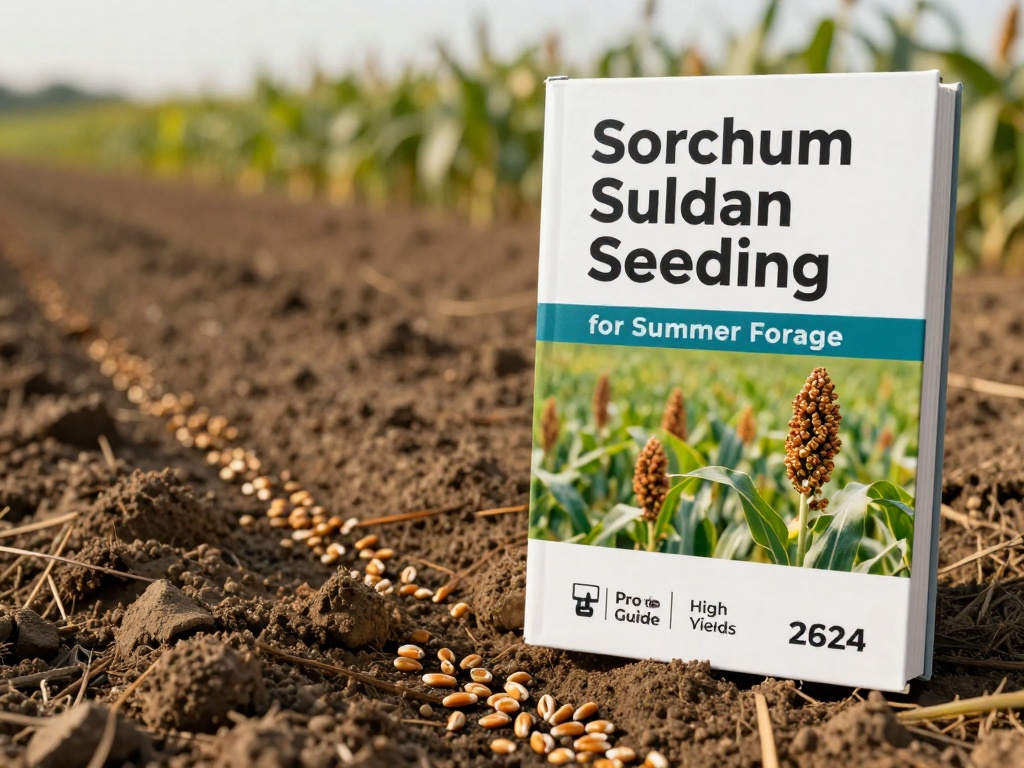
Sorghum Sudan Seeding for Summer Forage: 2024 Pro Guide to High Yields
Sorghum sudan seeding for summer forage is a top choice for livestock farmers looking to fill mid-to-late summer feed gaps, when cool-season grasses like fescue slow production in extreme heat. A hybrid of grain sorghum and Sudan grass, this forage crop tolerates drought, heat, and marginal soil better than many common summer alternatives. University of Illinois Extension data shows well-managed sorghum sudan can produce up to 8 tons of dry matter per acre in a single growing season.
Key Timing for Successful Sorghum Sudan Seeding
Ideal Soil Temperatures to Launch Healthy Growth
Sorghum sudan is a warm-season crop, so it will not thrive in cold, waterlogged soil. Farmers should only seed once soil temperatures reach a consistent 65°F at a 2-inch depth, which typically falls between late May and early June for most temperate U.S. regions. Seeding too early exposes seeds to rot and frost damage, leading to spotty, low-yield stands.
Seeding Windows for Multiple Harvests
Farmers targeting 2-3 cuttings of hay, silage, or rotational grazing should seed no later than mid-June. This extended growing window allows the crop to regrow after each harvest, maximizing total annual yield. Late seedings completed by mid-July still produce 4-5 tons of dry matter per acre, enough for a single late-season harvest to fill fall feed gaps.
Seeding Rates and Methods for Maximum Establishment
Drill Seeding vs. Broadcast Seeding
Drill seeding is the recommended method for sorghum sudan, as it places seeds at a consistent depth of 0.5 to 1 inch, eliminating waste and ensuring even germination. Ohio State University research found drill seeding reduces seed requirements by 25% compared to broadcast seeding, while increasing total yields by 18%. If broadcast seeding is the only option, lightly incorporate seeds into the top 1 inch of soil to avoid bird predation and drying out.
Adjust Seeding Rates for Your End Use
Seeding rates vary based on your planting method and intended use for the forage. University of Minnesota Extension recommends these rates for pure live seed (PLS):
- Hay or silage (drilled): 20-25 lbs PLS per acre
- Hay or silage (broadcast): 30-35 lbs PLS per acre
- Rotational grazing (drilled): 25-30 lbs PLS per acre
- Rotational grazing (broadcast): 35-40 lbs PLS per acre
Critical Post-Seeding Management to Protect Yields
Fertilization to Support Fast, Steady Growth
Before seeding, conduct a soil test to apply required levels of phosphorus and potassium. After establishment, apply 50-80 lbs of nitrogen per acre to support vegetative growth. For farmers harvesting multiple times, side-dress an additional 40 lbs of nitrogen after each harvest to fuel regrowth. This simple step boosts total annual yields by up to 2 tons per acre, per USDA data.
Mitigate Prussic Acid Risk Post-Seeding
A common risk of sorghum sudan is prussic acid, a toxic compound that accumulates in young, stressed plants. Never graze or harvest livestock feed from sorghum sudan until plants reach 18-24 inches tall, typically 6-8 weeks post-seeding. Avoid grazing after frost or drought events, which can trigger a spike in prussic acid levels in new growth.
Frequently Asked Questions
What is the latest I can seed sorghum sudan for summer forage?
In most USDA Hardiness Zones 4-8, the latest safe seeding date is mid-July. This timeline gives the crop enough time to reach the 18-inch minimum height before the first fall frost, allowing for a single, safe harvest of hay or silage to fill late-season feed gaps.
Can I mix sorghum sudan with other forage crops?
Yes, many farmers mix sorghum sudan with cowpeas or forage soybeans to boost forage protein levels and improve soil health. When mixing, reduce sorghum sudan seeding rates by 20% to avoid overcrowding the companion crop, which can limit total yield.
How does sorghum sudan compare to corn silage for summer forage?
Sorghum sudan is a more flexible, lower-input alternative to corn silage for most small to mid-sized livestock operations. It tolerates drought and poor soil better, can be harvested multiple times in a single season, and requires 30% less water to produce comparable dry matter yields, per USDA agricultural research data.
No comments