
2024 Essential Guide to Sunflower Seeding for Pollinator Habitat Strips
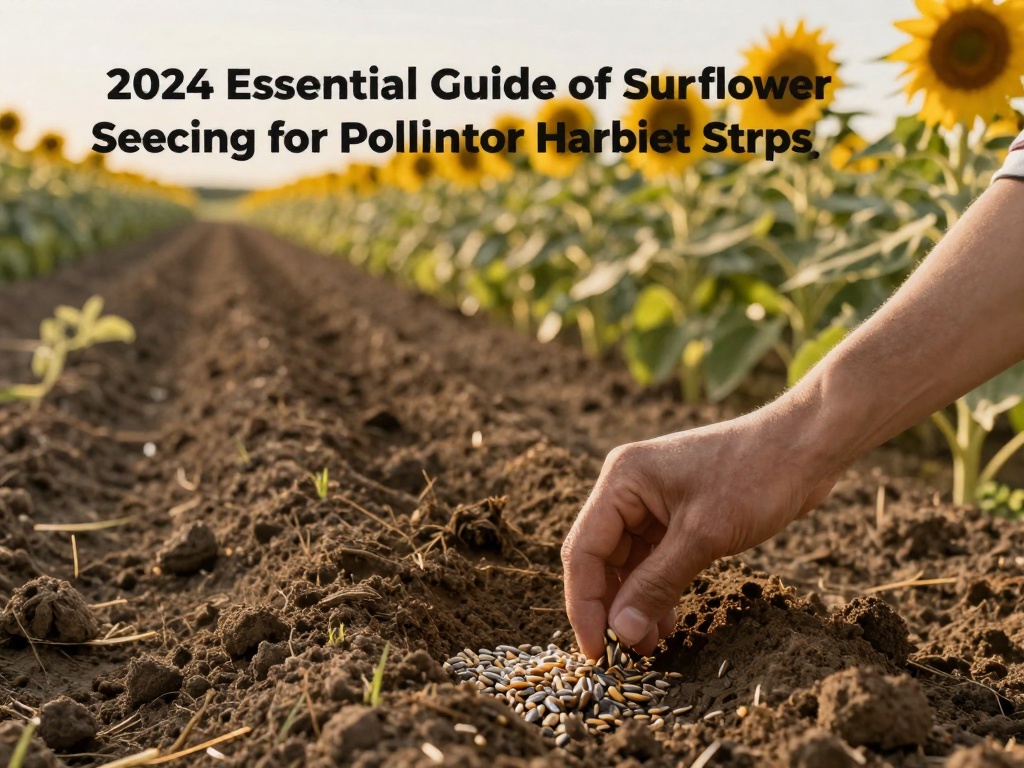
2024 Essential Guide to Sunflower Seeding for Pollinator Habitat Strips
Sunflower seeding for pollinator habitat strips is one of the most impactful low-labor investments row crop and small-scale farmers can make in 2024. Native bees, honeybees, and other critical pollinators face declining populations due to habitat loss, pesticide exposure, and resource gaps across U.S. farmlands. A 2023 study from the University of Illinois found that sunflower habitat strips increased local pollinator activity by 72% in adjacent corn and soybean fields, translating to a 10% boost in crop yields for participating farms.
Why Sunflowers Are Ideal for Pollinator Habitat Strips
Long Blooming Periods That Support Multiple Pollinator Species
Sunflowers bloom for 4 to 6 weeks, much longer than many native wildflowers used in habitat strips. This extended bloom window provides nectar and pollen for early-season bumblebees, late-season monarch butterflies, and honeybee colonies preparing for winter. Unlike some flowering plants that only attract a narrow range of pollinators, common sunflower varieties (Helianthus annuus) feed over 50 native bee species, per the Xerces Society for Invertebrate Conservation.
Low Input Requirements for Working Farmlands
Sunflowers are drought-tolerant, adaptable to most U.S. hardiness zones, and require minimal fertilizer or supplemental water once established. They also act as a natural trap crop for certain pests, reducing the need for additional pesticide applications that could harm pollinators. Many farmers report that sunflower habitat strips cost less to maintain than traditional fencerow weed management, making them a budget-friendly conservation choice.
Step-by-Step Guide to Sunflower Seeding for Pollinator Strips
Select the Right Site and Strip Size
Ideal locations for sunflower habitat strips include field edges, fencerows, or buffer strips along waterways. Strips should be a minimum of 10 feet wide to create a dense, sheltered habitat that protects pollinators from predators and pesticide drift. For 40-acre row crop fields, a single 300-foot long, 10-foot wide strip is sufficient to boost pollinator activity across the entire field, per USDA Natural Resources Conservation Service (NRCS) guidelines.
Choose the Best Sunflower Varieties for Your Region
Prioritize native annual and perennial sunflower varieties over ornamental cultivars, which often produce less nectar and pollen. Popular region-adapted options include common annual sunflowers for most Midwest and Southern farms, and silverleaf sunflowers for Western arid regions. Mix early and late-blooming varieties to extend your strip’s bloom window by an additional 2 to 3 weeks.
Time Your Seeding for Optimal Growth and Bloom
Sunflower seeds should be planted after the last frost date in your region, when soil temperatures reach 50°F or higher. For most of the continental U.S., this falls between mid-April and early June. Seeding at a depth of 1 to 1.5 inches, with a seeding rate of 15 to 20 pounds of pure live seed per acre, will create a dense stand that outcompetes weeds. Avoid seeding too late, as this can lead to stunted growth that fails to bloom before the first fall frost.
Long-Term Maintenance for Your Sunflower Habitat Strip
Sunflower habitat strips require minimal annual maintenance to remain productive. In the first year, pull any aggressive weeds that emerge before sunflowers reach 2 feet tall to reduce competition. After the first growing season, most sunflower varieties will self-seed, creating a persistent habitat strip that requires little intervention. Avoid applying pesticides within 25 feet of your strip to prevent harmful exposure to foraging pollinators. Every 3 years, you can replenish the strip with additional seed if stand density drops below 70%.
Frequently Asked Questions
Can I mix sunflowers with other plants in my pollinator habitat strip?
Yes, mixing sunflowers with native milkweed, coneflowers, and clover can extend your strip’s bloom window and support an even wider range of pollinator species. Sunflowers’ tall stalks also provide structural support for climbing vine species like native morning glories.
Are there grants to cover the cost of sunflower seeding for pollinator strips?
Yes, the USDA NRCS offers Environmental Quality Incentives Program (EQIP) grants that cover up to 75% of the cost of establishing pollinator habitat strips, including seed and labor. Many state-level departments of natural resources also offer additional conservation grants for small-scale and organic farmers.
Do sunflower habitat strips attract unwanted pests to my main crop fields?
Research from the University of California found that sunflower habitat strips actually reduce pest pressure on adjacent crops by acting as a trap crop for stink bugs and aphids. Sunflowers also attract beneficial predatory insects that feed on common crop pests, creating a natural pest management system that reduces reliance on synthetic pesticides.
No comments