
Sweet Potato Slip Planting for Southern Gardens: 2024 Pro Guide to Big Yields
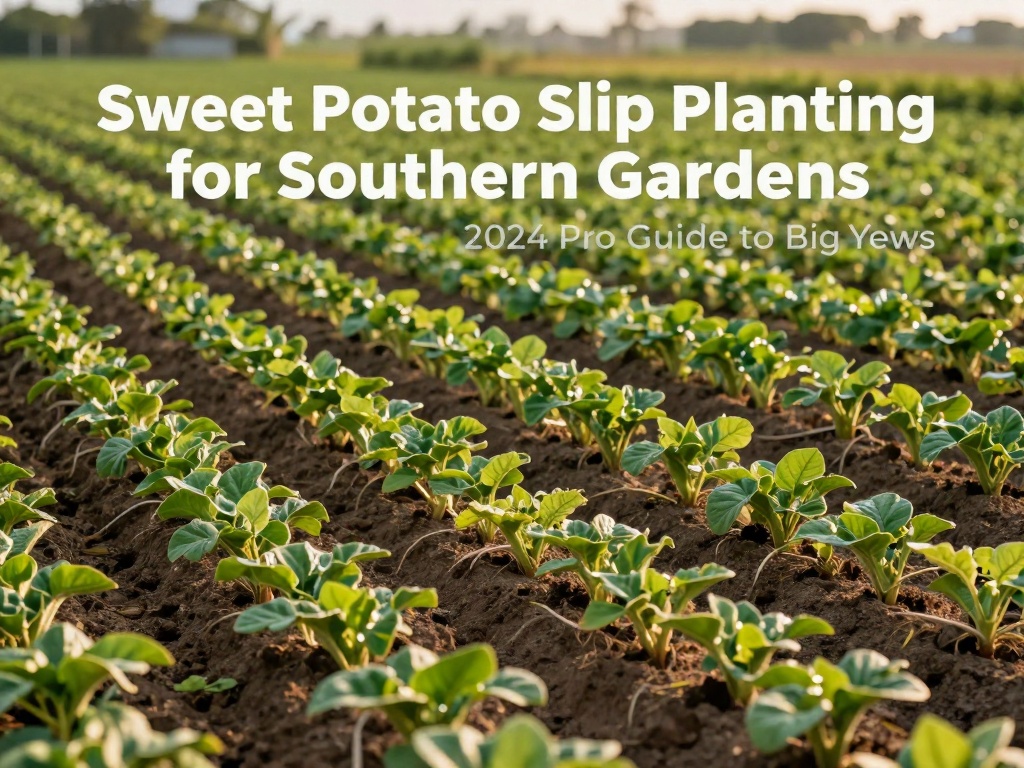
Sweet Potato Slip Planting for Southern Gardens: 2024 Pro Guide to Big Yields
Southern gardens face unique growing challenges, from scorching mid-summer heat to unexpected late-season tropical rain, and sweet potato slip planting for southern gardens is one of the most reliable ways to grow a high-yield, low-maintenance staple crop. Unlike most common garden vegetables that struggle with sustained southern heat, sweet potatoes thrive in warm, well-drained soil, making them a perfect fit for USDA zones 7 through 10, which cover nearly all of the U.S. South. The University of Georgia Extension reports that sweet potatoes grown in properly prepared southern soil can yield up to 10 pounds of tubers per 10-foot row, far outpacing tomatoes, peppers, and other warm-season crops.
When to Plant Sweet Potato Slips in Southern Gardens
Align Planting with Local Last Frost Dates
Sweet potato slips are frost-sensitive, so you must plant them only after all risk of frost has passed and soil temperatures consistently hit 65°F. Southern growing zones vary widely: for zone 7 (western North Carolina, northern Arkansas), last frost falls between mid-March and early April, while zone 10 (southern Florida, southern Texas) sees last frost as early as mid-January. The 2023 USDA Plant Hardiness Zone Map lets you confirm your local last frost window to time planting perfectly.
Avoid Common Planting Window Mistakes
Planting slips too early in cold, waterlogged soil leads to root rot, a pervasive issue in southern gardens that receive heavy spring rain. Planting too late also cuts into yields: the Alabama Cooperative Extension System notes that slips planted after June 1 in most southern zones will produce 30% smaller tubers, as they lack sufficient time to mature before the first fall frost.
How to Prepare Your Southern Garden Soil for Slip Planting
Prioritize Well-Drained, Raised Bed Soil
Most southern garden soils are heavy clay, which retains water and risks rotting sweet potato roots before they establish. Amend native soil with 3 inches of compost and 2 inches of coarse sand, then build raised beds that are 8 to 12 inches high to improve drainage during summer downpours. Sweet potatoes also require a soil pH between 5.8 and 6.2, so test your soil through your local county extension office to adjust acidity if needed.
Add Heat-Resilient Fertilizer
Avoid high-nitrogen fertilizers, which produce lush, sprawling vines but stunted tuber growth. Instead, use a balanced 5-10-10 fertilizer that delivers extra phosphorus and potassium to boost root development and drought tolerance. The Mississippi State University Extension recommends applying 2 pounds of 5-10-10 per 100 square feet of garden space a week before planting slips to give crops a nutrient boost.
Step-by-Step Slip Planting Process
Space Slips for Vining Growth
Sweet potato vines can spread up to 6 feet wide, so space slips 12 to 18 inches apart in rows spaced 3 feet apart to prevent overcrowding. Bury each slip up to its top set of leaves to encourage a strong, deep root system that can withstand periods of drought, a common mid-summer issue across most southern regions.
Mulch Immediately After Planting
Southern heat dries out topsoil fast, so add 3 inches of pine straw mulch around each slip to retain moisture, block weeds, and keep soil temperatures consistent. Water 1 inch per week for the first 3 weeks to help slips establish, then reduce watering to ½ inch per week once roots take hold, as overwatering can cause tubers to split or rot.
Frequently Asked Questions
Can I grow my own sweet potato slips instead of buying them?
Yes, you can grow your own slips from organic, disease-free sweet potatoes from a previous harvest or the grocery store. Submerge the bottom third of a tuber in a jar of water in a sunny windowsill, and slips will sprout in 4 to 6 weeks. Harden off slips for 3 days before planting to acclimate them to outdoor southern conditions.
How do I protect slips from common southern pests?
The most destructive pests for southern sweet potatoes are sweet potato weevils and wireworms. Use floating row covers for the first 6 weeks after planting to block weevils from laying eggs on slips, and rotate your sweet potato crop to a new section of the garden every year to reduce wireworm populations in the soil.
When can I harvest sweet potatoes planted in southern gardens?
Most sweet potato varieties mature in 90 to 120 days, so slips planted in mid-April can be harvested as early as mid-July, with late-planted slips ready for harvest by early November. The LSU AgCenter recommends curing harvested tubers for 10 days at 85°F to boost sweetness and extend their storage life to 6 to 12 months.
No comments