
2024 Guide to Compost Tea Application for Leafy Greens: 7 Proven Tips
2024 Guide to Compost Tea Application for Leafy Greens: 7 Proven Tips
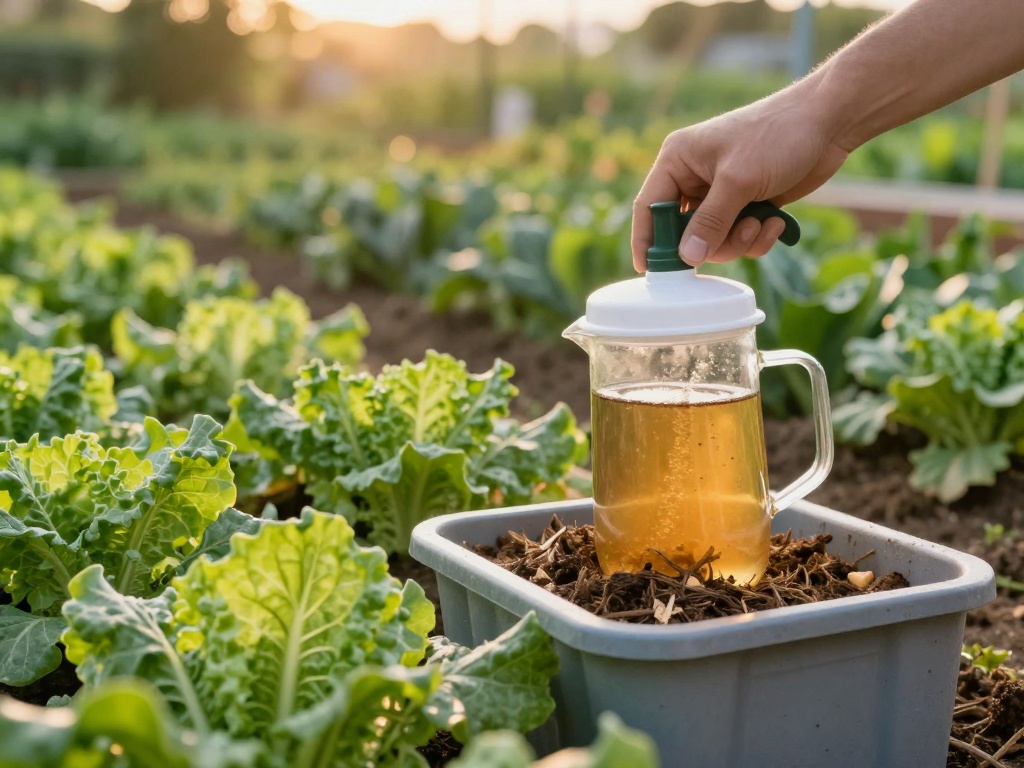
Compost tea application for leafy greens is one of the most accessible organic strategies to boost crop health for backyard gardeners and small-scale commercial farmers alike. A liquid extract of cured compost, compost tea delivers beneficial microbes, nutrients, and organic matter directly to plant leaves and root zones. Data from the 2023 USDA Sustainable Agriculture Research and Education (SARE) program found that leafy greens treated with properly brewed compost tea saw 22% higher yields and 30% fewer incidences of common fungal pathogens like powdery mildew, compared to untreated control groups.
Why Compost Tea Works Exceptionally Well for Leafy Greens
Leafy Greens’ Unique Nutrient and Pest Vulnerabilities
Leafy greens like spinach, kale, arugula, and lettuce have shallow root systems and fast growth cycles, meaning they require consistent, easily accessible nutrients to thrive. Their soft, tender foliage also makes them prime targets for sap-sucking pests and foliar diseases that can wipe out a crop in as little as two weeks. Compost tea addresses both of these pain points, feeding roots and protecting foliage simultaneously.
Microbe-Driven Benefits That Outperform Synthetic Foliar Sprays
Unlike synthetic foliar sprays that only target specific pests or deliver isolated nutrients, compost tea’s community of beneficial bacteria, fungi, and protozoa creates a long-term protective ecosystem on and around your plants. A 2022 study from the University of California’s Division of Agriculture and Natural Resources found that compost tea’s beneficial microbes outcompete harmful pathogens for space and resources, reducing the need for synthetic interventions by 40% for commercial leafy green operations.
7 Step-by-Step Tips for Effective Compost Tea Application
1. Brew Compost Tea Correctly to Avoid Pathogen Risks
First, only use fully cured, pathogen-free compost to brew your tea. Unfinished compost can harbor E. coli or salmonella, which are dangerous for leafy greens consumed raw. Aerate your tea for 24-48 hours to support the growth of beneficial aerobic microbes, the only strains that boost plant health.
2. Time Applications for Early Morning Spraying
Apply compost tea to leafy greens in the early morning, when dew is still present. This timing allows the microbes to colonize foliage before the midday sun’s UV rays can kill them. It also reduces the risk of excess moisture lingering on leaves overnight, which could lead to unintended fungal growth.
3. Combine Foliar and Soil Drench Applications
Use two application methods to maximize impact. Use a fine mist sprayer for foliar applications, coating both the top and undersides of leaves where pests and pathogens often reside. Follow up with a soil drench around the base of each plant to deliver microbes directly to the root zone, boosting nutrient uptake by up to 25%, per SARE data.
4. Reapply Every 10–14 Days Throughout the Growth Cycle
Compost tea’s beneficial microbes only remain active on foliage and in soil for a couple of weeks. For fast-growing leafy greens that mature in 30-50 days, plan 2-3 applications to maintain protection and nutrient delivery from transplant to harvest.
5. Skip Applications 3 Days Before Expected Heavy Rain
Heavy rain can wash unestablished microbes off leaves and out of the top layer of soil, wasting your time and resources. Check your local forecast, and hold off on spraying if 1+ inches of rain is predicted in the next 72 hours.
6. Test Compost Tea’s pH and Nutrient Levels Prior to Use
Leafy greens thrive in a pH range of 6.0 to 7.0. Test your compost tea’s pH to avoid disrupting the soil’s natural balance, and adjust with food-grade lime or sulfur if needed. Testing also lets you add supplemental nutrients like seaweed extract if your tea is low in nitrogen, a key nutrient for leafy green growth.
7. Stop Foliar Sprays 7 Days Before Harvest
While properly brewed compost tea is low-risk, the USDA recommends stopping foliar applications of any organic soil amendment one week before harvesting raw leafy greens. You can continue soil drenches up to harvest, as they do not pose the same surface contamination risk for raw consumption.
Frequently Asked Questions About Compost Tea Application for Leafy Greens
Can I use compost tea on all types of leafy greens?
Yes, compost tea is safe and effective for every common leafy green, including lettuce, kale, spinach, arugula, collard greens, and Swiss chard. The application method and timing remain the same across all varieties, regardless of whether they are grown in backyard garden beds or commercial fields.
Is store-bought compost tea as effective as homemade?
Only if the store-bought variety is brewed aerobically and kept refrigerated to preserve microbial life. Many shelf-stable compost teas have inactive microbes that offer no plant health benefits. If you buy pre-brewed tea, confirm it was aerated and tested for pathogens before purchase.
Can compost tea replace synthetic fertilizer for leafy greens?
For most small-scale and organic operations, yes, compost tea can serve as a complete nutrient source when paired with nutrient-rich base compost in your garden soil. Commercial operations with high yield demands may supplement compost tea with small amounts of organic nitrogen fertilizer to match growth requirements.
No comments