
Chicken Tractor Rotation for Garden Fertility: 2024 Pro Tips That Work
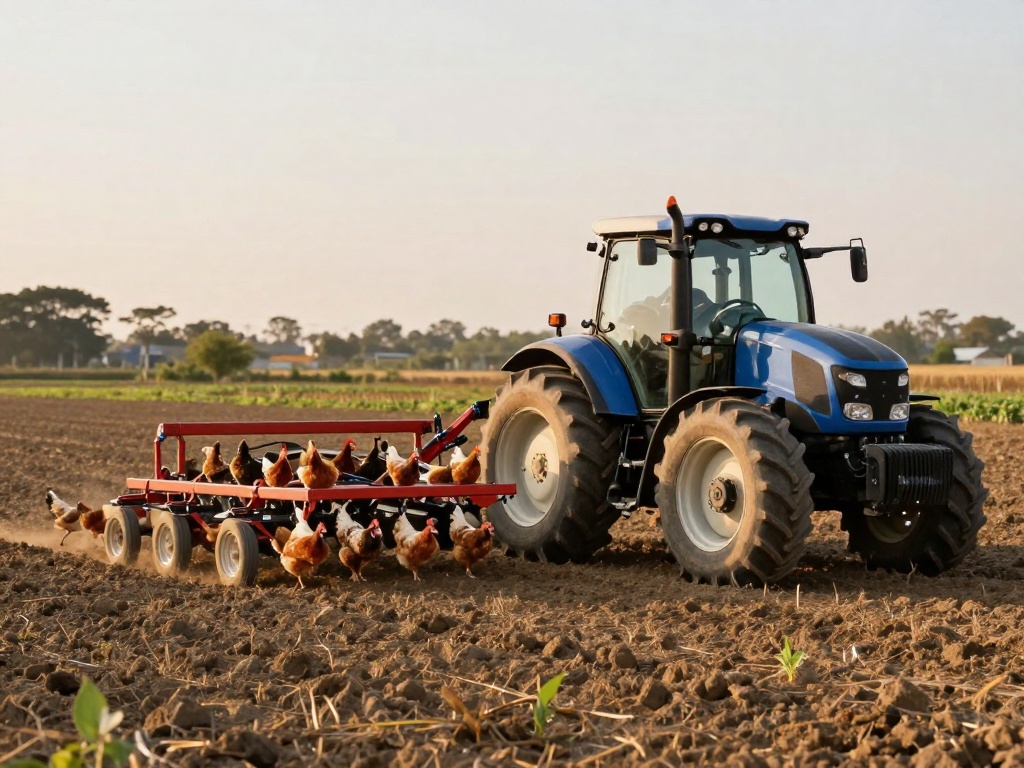
Chicken Tractor Rotation for Garden Fertility: 2024 Pro Tips That Work
Chicken tractor rotation for garden fertility is a regenerative practice that leverages foraging poultry to improve soil health without expensive synthetic inputs. Thousands of backyard and small-scale market gardeners use this method to cut input costs while growing nutrient-dense produce. A 2023 study from the University of Illinois found that properly rotated chicken tractors increased garden soil organic matter by 21% in one growing season.
What Is Chicken Tractor Rotation, Exactly?
A chicken tractor is a mobile, lightweight coop that lets poultry scratch, forage, and deposit manure on a small section of ground, without allowing them to overgraze or damage soil. Rotation means moving this coop to a new patch of garden or pasture on a set schedule. This prevents parasite buildup, ensures even manure distribution, and lets poultry prep garden beds for planting.
Core Benefits of Rotating Chicken Tractors for Garden Health
1. Natural, Nutrient-Dense Soil Fertilization
Chicken manure is packed with nitrogen, phosphorus, potassium, and micronutrients that feed soil microbes and plants. Unlike concentrated raw manure that can burn seedlings, the thin, spread-out layer of manure left by a small flock breaks down gradually. Rotation ensures no single area gets too much manure, eliminating burn risks and spreading nutrients evenly across your entire garden.
2. Reduced Pest and Weed Pressure
Foraging chickens eat common garden pests like slugs, grubs, aphids, and weed seeds before they can damage your crops. A 2022 study from the University of Maine found that chicken tractors reduced beetle pest populations in vegetable gardens by 72% over 8 weeks. Rotating the tractor ensures pests across all sections of your garden are targeted, rather than just one small patch.
3. Lower Input Costs for Small-Scale Growers
The average backyard gardener spends $150-$300 annually on synthetic fertilizers and pest control products, per the National Gardening Association. Chicken tractor rotation cuts these costs by up to 80% by replacing store-bought inputs with free poultry waste and natural pest control. The only recurring cost is feed for your flock, which also yields added benefits like fresh eggs.
Proven Rotation Schedule to Maximize Fertility
Your rotation schedule depends on your tractor size, flock size, and garden layout. Follow these science-backed USDA guidelines to avoid common mistakes:
- Small tractors (4x8 feet, 3-5 chickens): Move to a new 4x8 foot section every 1-2 days. This prevents soil compaction and parasite buildup while spreading manure evenly.
- Large tractors (8x12 feet, 6-10 chickens): Move to a new 8x12 foot section every 2 days. This works well for large market gardens or prepping fallow pasture for future planting.
- Off-season rotation (winter or pre-planting): You can leave the tractor on a section for up to 3 days if the ground is bare and you are prepping spring beds. The additional manure will break down over 4-6 weeks before seeds go into the ground.
Never leave a chicken tractor in the same spot for more than 3 days, regardless of flock size. Extended stays lead to soil compaction, excess manure buildup, and increased risk of parasitic infections in your flock.
Common Mistakes to Avoid
Moving Too Infrequently
Many new growers leave their tractor in one spot for a week or more, leading to sour soil and sick chickens. Sticking to a strict calendar or phone reminder schedule eliminates this risk entirely.
Placing Tractors Over Growing Crops
Never place a chicken tractor on beds with young seedlings, root vegetables, or leafy greens that chickens can damage. Only use tractors on fallow beds to prep them for future planting, or on cleared beds after harvest to process crop residue.
Skipping Regular Tractor Cleaning
Even with consistent rotation, you should deep clean your chicken tractor monthly to remove built-up manure and debris. This reduces parasite risk and keeps your flock healthy long-term.
Frequently Asked Questions
How many chickens do I need for a 1,000 sq ft garden?
For a 1,000 sq ft garden, a flock of 5-6 hens is ideal. This size flock can prep your entire garden for planting in 4-6 weeks of consistent rotation, while producing enough fresh eggs for a family of 4.
Can I use chicken tractor rotation for a community garden?
Yes, chicken tractor rotation is popular in community gardens across the U.S. Coordinate with other members to schedule rotation across shared fallow beds, and set clear rules for flock care to keep all participants aligned.
Does chicken manure from rotated tractors need composting before planting?
No, the thin layer of manure left by a regularly rotated flock breaks down naturally in 3-4 weeks, so you can plant directly into a bed 4 weeks after the tractor is moved. If you leave the tractor on a spot for more than 2 days, compost the top soil layer for 2 months before planting to avoid seedling burn.
No comments