
Pepper Blossom End Rot Organic Prevention: 7 Proven 2024 Garden Tips
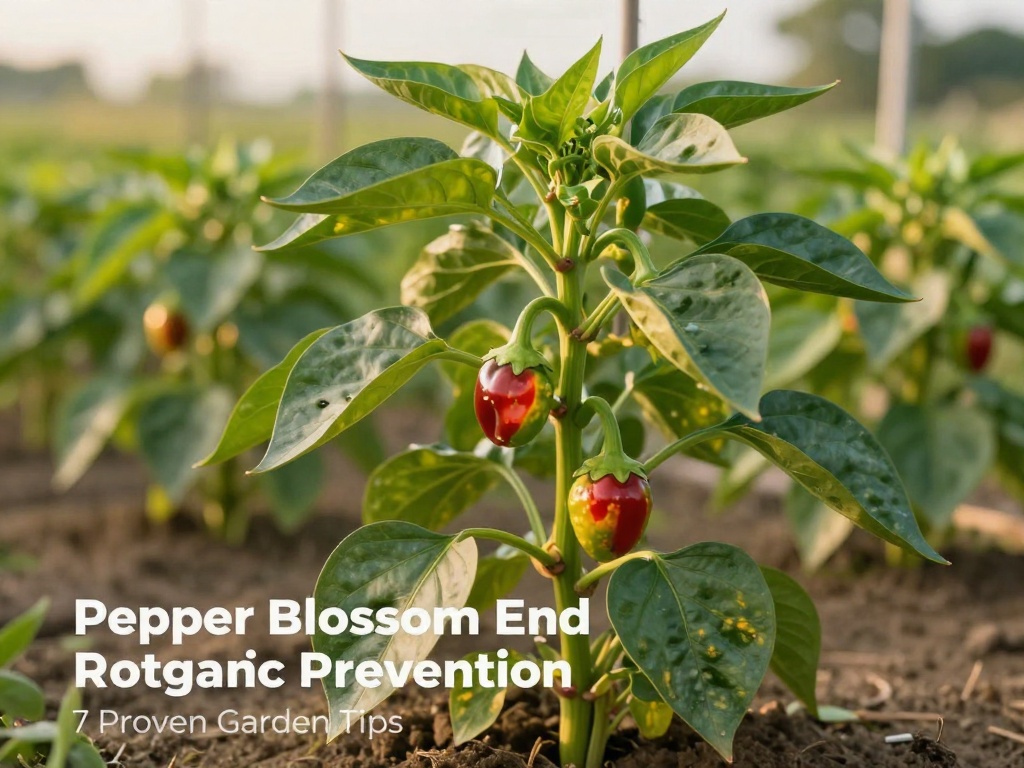
Pepper Blossom End Rot Organic Prevention: 7 Proven 2024 Garden Tips
Pepper blossom end rot organic prevention is one of the most searched topics for home gardeners and small-scale organic farmers growing bell, jalapeño, and cayenne peppers. This common condition shows up as a sunken, dark brown or black leathery spot on the bottom (blossom end) of pepper fruit, destroying crops before they ripen. Unlike fungal or bacterial blights, blossom end rot is not contagious—it stems from insufficient calcium uptake in the plant, making organic fixes simple and effective when applied early.
What Triggers Blossom End Rot in Pepper Plants?
While low soil calcium is a common culprit, most cases of blossom end rot stem from inconsistent watering that disrupts the plant’s ability to absorb and transport calcium through its vascular system. Even if your soil has enough calcium, extreme drought, overwatering, or sudden temperature swings can block uptake.
A 2023 study from the University of Minnesota Extension found that 78% of backyard pepper blossom end rot cases are caused by inconsistent watering, not nutrient deficiencies, making prevention highly accessible for organic growers. Other less common triggers include excess nitrogen in soil and compacted soil that limits root expansion.
7 Proven Organic Prevention Tips for Pepper Blossom End Rot
1. Test Your Soil’s Calcium Levels First
Start by sending a soil sample to your local county extension office to test for existing calcium and pH levels. Most pepper plants thrive in soil with a pH between 6.5 and 6.8, which optimizes calcium absorption. If your test shows low calcium, add crushed eggshells or calcitic agricultural lime to your planting beds 2-3 months before transplanting peppers to let amendments break down.
2. Maintain Consistent Soil Moisture
Water pepper plants deeply 1-2 times per week, aiming for 1-2 inches of total water weekly to keep soil evenly moist, but never waterlogged. Add a 2-3 inch layer of organic mulch (straw, wood chips, or grass clippings) around plant bases to lock in moisture and regulate soil temperature, reducing water stress that blocks calcium uptake.
3. Avoid Overapplying Nitrogen-Rich Fertilizers
Skip uncomposted manure or synthetic fertilizers high in soluble nitrogen, which fuel rapid, soft leaf growth that diverts calcium from developing fruit. Instead, use balanced organic fertilizers like composted bone meal or fish emulsion that release nutrients slowly, supporting steady plant growth without nutrient imbalances.
4. Grow Peppers in Well-Draining Raised Beds
Raised beds prevent soil compaction and waterlogging, two top issues that disrupt root health and calcium absorption. Fill raised beds with a mix of compost, topsoil, and perlite to create loose, nutrient-rich soil that supports robust root development. This fix is especially valuable for gardeners with heavy clay soil prone to over-saturation.
5. Apply Organic Foliar Calcium Sprays
If you’ve dealt with blossom end rot in past seasons, apply an organic foliar calcium spray (made from steeped crushed eggshells or store-bought OMRI-listed calcium spray) every 2 weeks once fruit starts to set. Foliar sprays deliver calcium directly to leaves and fruit, bypassing root uptake issues that can block calcium from reaching developing peppers.
6. Space Plants Properly for Root Health
Space pepper plants 18-24 inches apart to avoid overcrowding that limits root growth and causes competition for water and nutrients. Adequate spacing also improves air circulation, reducing plant stress that can exacerbate calcium uptake problems. Stake or cage indeterminate pepper varieties to further support healthy growth.
7. Plant Rot-Resistant Pepper Varieties
Some pepper varieties are naturally more resistant to blossom end rot, including bell pepper ‘California Wonder’, jalapeño ‘Early Jalapeño’, and banana pepper ‘Sweet Banana’. Check seed packets for resistance notes when ordering, and prioritize these varieties if you have a long history of blossom end rot in your garden beds.
Frequently Asked Questions
Can you reverse blossom end rot once it appears on a pepper?
Once blossom end rot develops on a specific pepper, you cannot fix the damage to that fruit. Remove the affected pepper to let the plant redirect energy to new, healthy fruit, then adjust your watering and soil amendments to prevent rot on future crops.
Are crushed eggshells enough to prevent blossom end rot in peppers?
Eggshells add long-term calcium to soil, but they take 6-12 months to break down enough for plants to absorb them. For immediate prevention, pair eggshells with consistent watering and mulching, or use a foliar calcium spray to address short-term calcium uptake gaps.
Can blossom end rot spread to other pepper plants in my garden?
No, blossom end rot is not a contagious disease. It is a physiological disorder caused by calcium uptake issues, so it will not spread from plant to plant. If multiple plants develop rot, the issue stems from shared growing conditions like inconsistent watering or low soil calcium.
No comments