
7 Blueberry Bush Pruning Tips for Higher Yields | 2024 Step-by-Step Guide
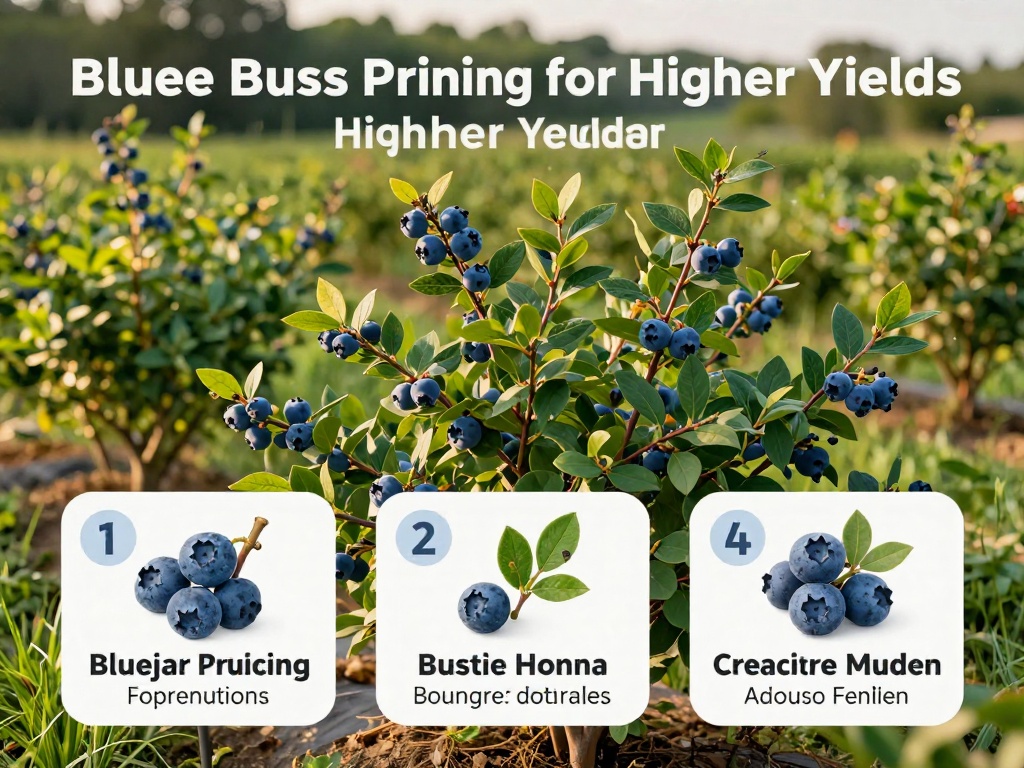
7 Blueberry Bush Pruning Tips for Higher Yields | 2024 Step-by-Step Guide
Blueberry bush pruning for higher yields is one of the most impactful maintenance tasks for home gardeners and commercial berry farmers alike. Pruning removes old, unproductive wood, improves air circulation, and redirects the plant’s energy to growing large, sweet fruit clusters. Without annual pruning, blueberry bushes become overcrowded, produce small, sparse fruit, and are more prone to fungal diseases.
Why Annual Pruning Transforms Blueberry Bush Productivity
It Eliminates Old, Low-Yielding Wood
Per USDA agricultural data, blueberry bushes produce 90% of their total fruit on 2 to 5-year-old canes. Canes older than 6 years produce less than 10% of a mature bush’s annual yield, so removing them frees up critical resources for younger, more productive growth. Culling old canes also prevents the bush from wasting energy on non-fruiting wood.
It Improves Sunlight and Air Penetration
Overgrown blueberry canopies block sunlight from reaching inner branches, reducing fruit set and trapping moisture that leads to mold and root rot. A 2023 study from the University of Maine Cooperative Extension found that properly pruned bushes have a 30% lower risk of fungal disease than unpruned bushes. Pruning opens the bush’s center to let sunlight and air reach every cane, supporting even, healthy growth.
When to Prune Blueberry Bushes for Optimal Results
Dormant Season Pruning (Late Winter to Early Spring)
The primary pruning window for most temperate regions is late winter, before new buds break. Pruning during dormancy lets you easily identify dead or damaged canes and avoids stressing the plant during active growth. This is the time to complete your full annual trim, as it sets the plant up for a strong growing season.
Light Summer Pruning for Maintenance
A quick mid-summer trim removes any new suckers that drain energy from the main bush, as well as crossed or damaged canes that develop after the spring growth spurt. Limit summer pruning to less than 10% of the bush’s total foliage to avoid reducing next year’s yield. This light touch-up complements your full dormant season prune.
Step-by-Step Pruning Process to Maximize Yields
First, Remove Dead, Diseased, or Damaged Canes
Start by cutting any canes that appear black, shriveled, or have soft, moldy spots at the base, removing them flush with the soil line. Dispose of diseased wood far from your blueberry patch to prevent pathogens from spreading to healthy plants. This is the most critical first step to protect your bush’s long-term health.
Cull Canes Older Than 6 Years
Mature blueberry bushes should have 8 to 12 healthy canes of varying ages, so cut any canes with rough, peeling bark that signals they’re past their productive prime. Keep 2 to 3 new canes each year to replace the old ones you remove, maintaining a consistent mix of age groups for steady annual yields.
Thin Out Overcrowded Inner Branches
Cut any crossed or rubbing branches, and remove small, weak new growth sprouting in the bush’s center. Aim for an open, vase-like shape that lets sunlight reach every part of the plant. This open structure also makes harvesting easier and reduces pest hiding spots.
Trim Tips of Young Remaining Canes
For 1 to 3-year-old canes, trim 1 to 2 inches off the top to encourage the growth of lateral branches that produce more fruit clusters the following season. This simple tip boosts fruiting potential without stressing the young canes, leading to larger, more abundant harvests.
Common Pruning Mistakes to Avoid
Over-Pruning Newly Planted Bushes
Young blueberry bushes less than 3 years old only need light pruning to remove damaged growth. Heavy trimming of new bushes delays their first productive harvest by 1 to 2 years, so prioritize root and cane growth for the first few seasons.
Leaving Too Many Old Canes
Many new growers leave all canes intact to maximize growth, but this leads to overcrowding and 40% lower yields, per the University of Georgia Extension. Even if a cane looks healthy, if it’s older than 6 years, it’s not contributing enough to your harvest to justify the resources it uses.
Using Dull, Unsanitized Tools
Dull pruning shears leave ragged cuts that are slow to heal and prone to infection, while unsanitized tools can spread fungal spores between plants. Always clean and sharpen your tools between each bush you prune to keep your entire patch healthy.
Frequently Asked Questions About Blueberry Bush Pruning
How much can yields increase after consistent annual pruning?
Most gardeners and small-scale farmers see a 30 to 50% increase in total blueberry yield within one growing season of consistent annual pruning, per USDA small farm production data. Pruned bushes also produce 15% larger fruit on average, which fetches higher market prices for commercial growers.
Can I prune blueberry bushes in the fall?
Fall pruning is not recommended for most temperate regions, as new growth stimulated by pruning can be killed by early frosts, weakening the bush going into winter. Stick to late winter dormant season pruning for the best results, unless you need to remove storm-damaged canes in the fall.
How many canes should a mature blueberry bush have?
A healthy, productive 5+ year old blueberry bush should have 8 to 12 canes of mixed ages (2 to 5 years old), with no more than 3 new canes added each year to prevent overcrowding. This mix of age groups ensures you have a steady supply of high-yielding canes year after year.
No comments