
Grazing Rotation for Regenerative Cattle Pastures: 2024 Essential Guide
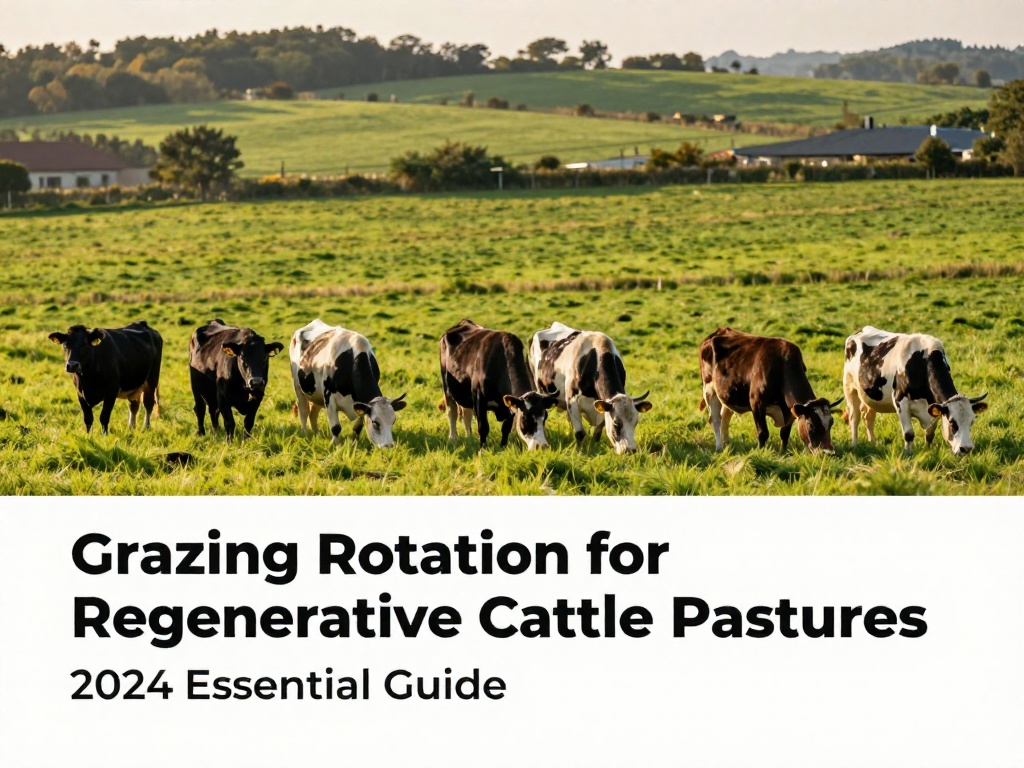
Grazing Rotation for Regenerative Cattle Pastures: 2024 Essential Guide
Grazing rotation for regenerative cattle pastures is a core regenerative farming practice that reverses soil degradation, sequesters carbon, and boosts long-term farm profitability. A 2023 study from the Rodale Institute found that well-managed rotational grazing increases soil organic matter by 2% in just 3 years, outperforming conventional continuous grazing by 150%. This approach mimics the natural movement of wild herbivore herds that grazed, fertilized, and moved on before overgrazing could damage ecosystems.
Why Rotational Grazing Is Non-Negotiable for Regenerative Success
Regenerative agriculture focuses on restoring ecosystem function rather than just sustaining production, and grazing rotation is the backbone of that mission for cattle operations. Unlike continuous grazing, where cattle occupy the same pasture year-round, rotational grazing splits land into small paddocks, with cattle moved on a strict schedule to let vegetation regrow fully. This rest period allows grass roots to grow deep, store carbon, and absorb more water, reducing erosion and nutrient runoff from your land.
5 Key Steps to Launch Your Rotational Grazing System
1. Map and Divide Your Pasture Into Paddocks
Start by surveying your total available pasture land to split it into 8-12 small paddocks, using low-cost temporary electric fencing for flexibility. The number of paddocks depends on your herd size and local grass growth rates: warm-season grasses need 21-30 days of rest, while cool-season varieties require 14-21 days. The University of Nebraska Extension recommends 12 paddocks for most mid-sized cattle herds to maximize rest period benefits.
2. Calculate Your Stocking Rate Accurately
Overstocking paddocks is the most common mistake new regenerative farmers make. Calculate your stocking rate using the Animal Unit Month (AUM) system, which measures how much forage a 1,000-pound cow consumes in one month. Most pastures produce 1-2 tons of dry forage per acre annually, so align your herd size to that output to avoid overgrazing.
3. Stick to a Consistent Movement Schedule
Move cattle to a new paddock once they have grazed 50-60% of the available grass height, which typically takes 1-3 days for most herds. Frequent moves mimic natural herd movement, ensuring cattle graze evenly and trample just enough plant residue to feed soil microbes. This practice also reduces internal parasite loads in cattle, as they leave infested manure before larvae can mature and re-infect the herd.
4. Enforce Full Rest and Recovery Periods
Never graze a paddock twice before its full rest period is complete. Cool-season grasses like fescue need 14-21 days between grazings, while warm-season varieties like Bermuda grass require 21-30 days. Resting allows grass to rebuild energy reserves in its root system, leading to lusher, more abundant forage for future grazing cycles.
5. Monitor Soil and Forage Health Quarterly
Every three months, test your soil’s organic matter content and track forage growth to adjust your rotation schedule as needed. Bare spots in paddocks signal you are moving cattle too slowly or overstocking, while forage that grows taller than 8 inches before grazing means you can speed up your rotation to avoid wasting vegetation.
Core Benefits of Rotational Grazing for Your Farm
A 2024 USDA report found that regenerative grazing operations cut feed costs by 30% because they rely far less on supplemental hay during the growing season. Cattle on rotational pastures also gain 15-20% more weight than those on continuous pastures, thanks to consistent access to fresh, nutrient-dense grass. Many rotational grazing farms also sequester 2 tons of carbon per acre annually, making them eligible for carbon credit programs that add an extra revenue stream.
Frequently Asked Questions
How much does it cost to set up rotational grazing for a small 50-cow herd?
For a 50-cow herd, temporary electric fencing supplies cost between $1,500 and $3,000, far less than permanent fencing. Most farmers recoup that initial investment in 1-2 years from lower feed costs and higher cattle sale prices.
Can rotational grazing work on hilly or uneven pasture land?
Yes, rotational grazing works on nearly all terrain, including hilly land. Temporary fencing can be adjusted to follow natural contours, and concentrating cattle on small sections of hilly land can even reduce erosion by trampling grass residue that holds soil in place.
How do I adjust my grazing rotation during drought conditions?
During drought, extend rest periods to 45+ days to let stressed grass recover, use supplemental hay to avoid overgrazing parched pastures, or keep a small "sacrifice" paddock to graze cattle during extreme dry spells to protect the rest of your land. Many farmers also reduce herd size temporarily if drought persists.
No comments