
Blackberry Bush Pruning for Higher Yields: 2024 Proven Step-by-Step Guide
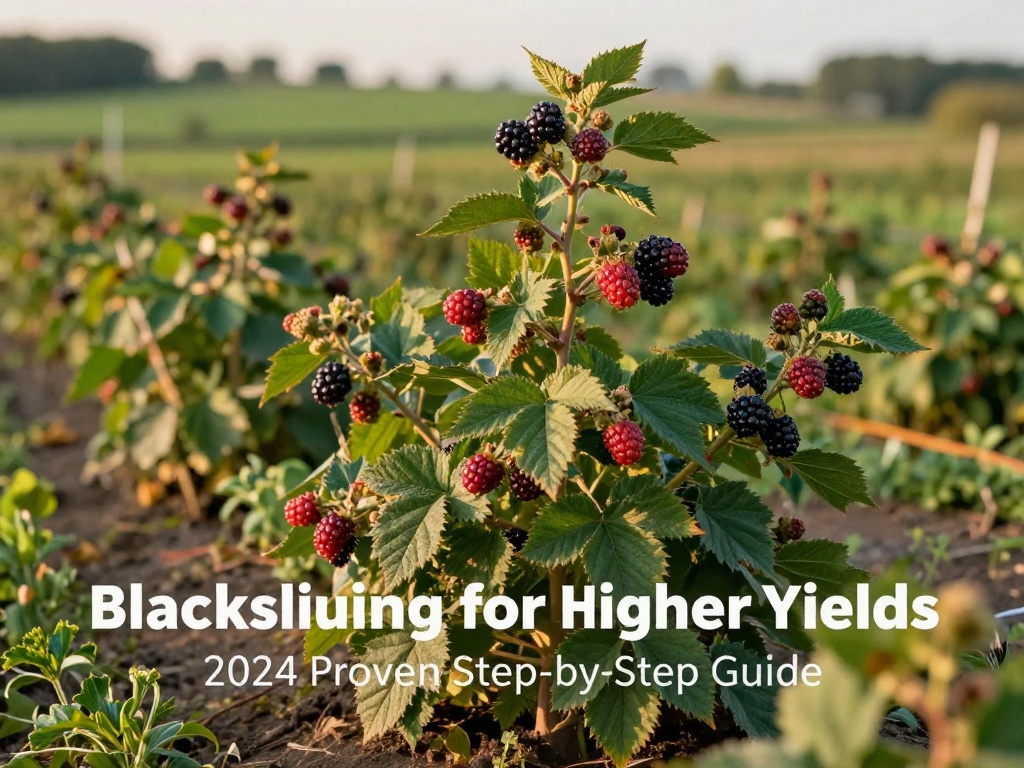
Blackberry Bush Pruning for Higher Yields: 2024 Proven Step-by-Step Guide
Blackberry bush pruning for higher yields is one of the most impactful practices for commercial and home berry growers alike. According to the University of Illinois Extension, properly maintained blackberry bushes produce 30-50% more fruit annually than unpruned, overgrown specimens. Pruning is not just about shaping a bush—it is a targeted practice that directs a plant’s energy to produce larger, healthier, and more abundant berries.
Why Pruning Drives Higher Blackberry Yields
It Eliminates Overcrowding and Boosts Sunlight Penetration
Unpruned blackberry bushes develop dense thickets of old and new canes that block critical sunlight. The University of California Agriculture and Natural Resources confirms blackberries require 6-8 hours of full sun daily to develop fruit buds. Overcrowded canes receive 40% less sunlight, leading to stunted growth and 25% fewer berries per season.
It Reduces Pest and Disease Pressure
Dead, spent canes trap moisture and create a breeding ground for common blackberry threats like cane blight, botrytis, and spotted wing drosophila. Oklahoma State University Extension reports unpruned bushes face a 60% higher risk of yield loss from these pathogens and pests. Pruning removes high-risk debris and improves airflow through the canopy to keep plants healthy.
It Directs Energy to Fruit-Producing Canes
Blackberries produce fruit exclusively on second-year canes called floricanes, while first-year canes (primocanes) grow vegetatively to support the next season’s crop. Spent floricanes that are not removed after harvest continue to draw energy from the bush, robbing developing primocanes of critical nutrients. Pruning eliminates spent canes to redirect 100% of the plant’s resources to future fruit production.
Step-by-Step Pruning Schedule for Maximum Yields
Dormant Season Pruning (Late Winter, Before Bud Break)
This is the most important annual pruning session for all blackberry varieties. For trailing blackberry types, thin primocanes to 6-8 healthy canes per bush, and cut lateral branches to 12-18 inches to encourage fruit bud development. For erect blackberry varieties, cut all canes to 3-4 feet tall, and thin to 5-7 strong canes per bush. These guidelines are validated by Penn State Extension’s small fruit cultivation program.
Post-Harvest Pruning (Mid-Late Summer, After Fruiting Ends)
Within two weeks of harvesting your last blackberry, cut all spent floricanes off at the base of the bush. Remove any weak, damaged, or diseased new primocanes to prevent overcrowding. This quick pruning task clears the way for remaining primocanes to grow strong through the fall and prepare for winter dormancy.
Mid-Summer Tip Pruning (For Erect Blackberry Varieties)
When primocanes of erect blackberry varieties reach 4-5 feet tall, pinch off the top 2-3 inches of growth. The University of Georgia Extension found this practice encourages lateral branching, which doubles the number of fruit buds a cane can produce the following season. This simple step alone can boost yields by 15-20% for erect blackberry growers.
Common Pruning Mistakes That Lower Yields
Even well-intentioned growers can make mistakes that negate the benefits of pruning. The most common errors include pruning in the fall, which exposes fresh cuts to winter frost damage that kills 20% of developing canes, per Oregon State University. Leaving more than the recommended number of canes per bush is another frequent mistake, as overcrowding offsets any gain from extra canes. Finally, failing to sanitize pruning tools between plants can spread fungal blight across an entire crop in a single season.
Frequently Asked Questions
When is the best time to prune blackberry bushes for higher yields?
The most critical pruning window is late winter, before new buds break on dormant canes. A secondary post-harvest pruning in mid to late summer removes spent floricanes to redirect the bush’s energy to next year’s crop.
How many canes should I leave per blackberry bush to maximize yields?
For trailing blackberry varieties, leave 6-8 healthy primocanes per bush. For erect varieties, thin to 5-7 strong, evenly spaced canes. This balance prevents overcrowding while maximizing the number of fruit-producing canes the bush can support.
Can I prune blackberry bushes in the fall if I live in a mild climate?
If you live in a frost-free region with winter temperatures consistently above 25°F, light fall pruning is acceptable. For all other climates, fall pruning risks frost damage to fresh cuts, leading to significant yield loss the following season.
Does pruning really increase blackberry yields as much as university data claims?
Yes, independent studies and decades of extension service data confirm that proper pruning increases blackberry yields by 30-50% annually. Pruned bushes also produce larger, sweeter berries with fewer blemishes from pests and disease, boosting market value for commercial growers.
No comments