
2026 Complete Guide to Rhubarb Fertilizer Application for Northern Climates
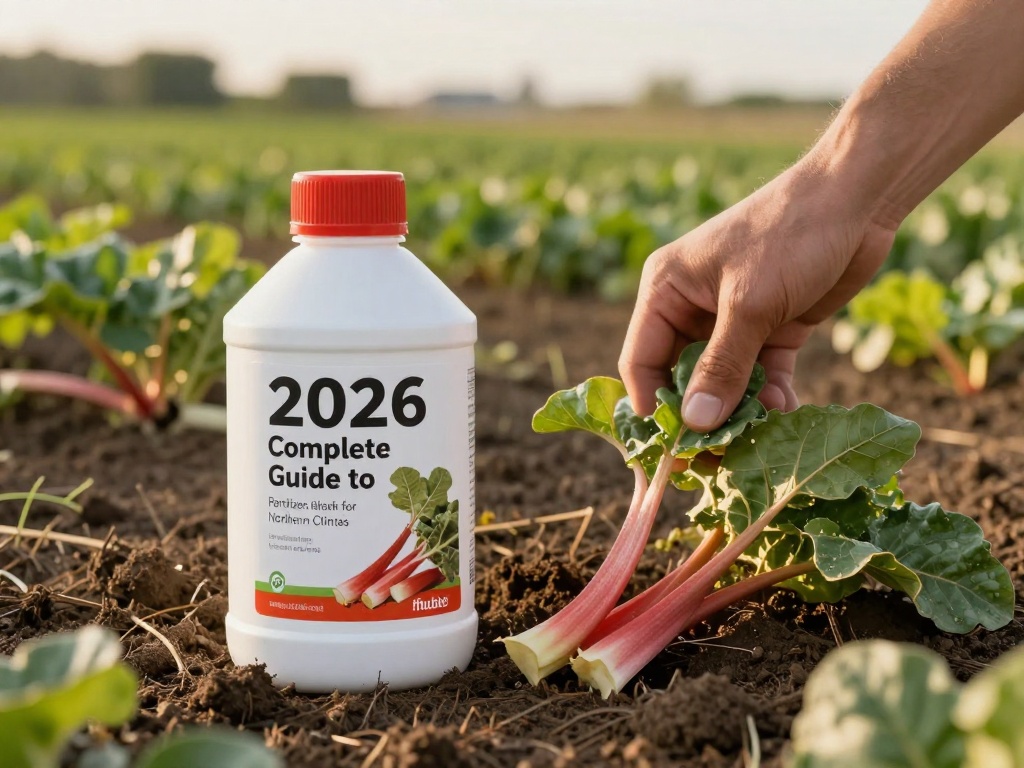
2026 Complete Guide to Rhubarb Fertilizer Application for Northern Climates
Rhubarb is a hardy perennial crop, but rhubarb fertilizer application for northern climates requires unique timing and formulation to survive harsh winters and short growing seasons. Northern regions like USDA zones 2-4 face frost dates as late as mid-May and early fall freezes by mid-September, leaving rhubarb just 100-120 frost-free days to store energy for the next year. The right fertilizer regimen supports root development, leaf growth, and cold hardiness that generic rhubarb care guides often overlook.
Key Nutrients Rhubarb Needs in Northern Climates
Nitrogen for Early Spring Leaf Growth
Northern rhubarb breaks dormancy later than southern varieties, so a balanced dose of nitrogen in early spring fuels the large, photosynthetic leaves rhubarb needs to produce energy. Too much nitrogen late in the season, however, leads to tender new growth that is easily killed by early fall frosts.
The University of Minnesota Extension recommends 100 pounds of nitrogen per acre for commercial rhubarb plantings, or ¼ cup of 10-10-10 fertilizer for home garden patches.
Phosphorus for Root Development and Cold Hardiness
Phosphorus is critical for northern rhubarb, as it supports deep root growth that helps plants access nutrients before the ground freezes. It also boosts cold tolerance, reducing the risk of root kill during harsh winters.
Unlike nitrogen, phosphorus can be applied in late fall to prepare plants for dormancy. For home gardens, work bone meal into the top 3 inches of soil around rhubarb crowns in October to add slow-release phosphorus.
Potassium for Disease Resistance and Yield
Potassium strengthens rhubarb’s cell walls, making plants more resistant to common northern diseases like root rot and leaf spot. It also supports the development of thick, edible stalks, boosting overall yield by up to 15% according to 2024 research from the University of Alaska Fairbanks.
Potassium works best when paired with phosphorus in late fall applications to support long-term root health and cold hardiness.
Timing Your Fertilizer Applications for Northern Frost Cycles
Timing is the most critical factor in successful rhubarb fertilizer application for northern climates, as misaligned applications can leave plants vulnerable to permanent frost damage. Stick to three key application windows to maximize growth and winter survival.
Early Spring (Before New Growth Emerges)
The first application should happen as soon as the snow melts and the ground thaws, usually 2-3 weeks before you see new crown growth. This is the only window to apply nitrogen, as it gives leaves enough time to mature before the end of the short growing season.
Spread a balanced 10-10-10 fertilizer around the base of each crown, keeping it 6 inches away from the stem to avoid burning the sensitive crown tissue.
Mid-Summer (After the Last Harvest)
Most northern gardeners harvest rhubarb stalks until mid-June, to leave enough time for leaves to grow and store energy for the next year. A light, phosphorus-heavy application after harvest supports root growth through the warm summer months.
Avoid adding nitrogen at this stage, as it will trigger late-season new growth that cannot survive early fall frosts.
Late Fall (After the First Hard Frost)
The final application happens after the first hard frost kills back rhubarb’s leaves, usually in mid-October for most northern regions. Add a layer of compost mixed with bone meal and potash to feed the roots as they prepare for dormancy.
This application also adds organic matter that insulates the soil, preventing root heave during winter freeze-thaw cycles that can kill even established rhubarb plants.
Common Fertilizer Mistakes to Avoid
Even experienced northern gardeners make mistakes that can reduce rhubarb yields or kill plants entirely. Avoid these top errors to keep your rhubarb patch productive for 10+ years:
- Overapplying nitrogen late in the season, which leads to frost-damaged tender new growth
- Placing fertilizer directly on rhubarb crowns, which causes burn and crown rot
- Skipping fall soil amendments, which leaves roots unprotected from extreme winter cold
- Using high-nitrogen lawn fertilizer on rhubarb, which disrupts the nutrient balance needed for cold hardiness
Frequently Asked Questions
Can I use organic fertilizer for rhubarb in northern climates?
Yes, organic fertilizers work exceptionally well for northern rhubarb. Compost, well-rotted manure, bone meal, and fish emulsion provide slow-release nutrients that align with the region’s short growing season. Avoid fresh manure, which can burn crowns and introduce harmful pathogens.
How often do I need to fertilize established rhubarb plants?
Established rhubarb (3+ years old) only needs two to three fertilizer applications per year, following the spring, mid-summer, and late fall timeline. Unlike annual crops, rhubarb stores nutrients in its large root system, so over-fertilizing is far more harmful than under-fertilizing.
Can extra fertilizer help rhubarb survive unusually cold northern winters?
A fall application of phosphorus and potassium can boost cold hardiness, but excess fertilizer will not protect plants from extreme, record low temperatures. Always pair proper fertilization with a 4-inch layer of straw mulch after the first hard frost to insulate crowns and prevent root damage during deep freezes.
No comments