
Pear Tree Fire Blight Organic Prevention: 7 Proven 2024 Strategies to Save Trees
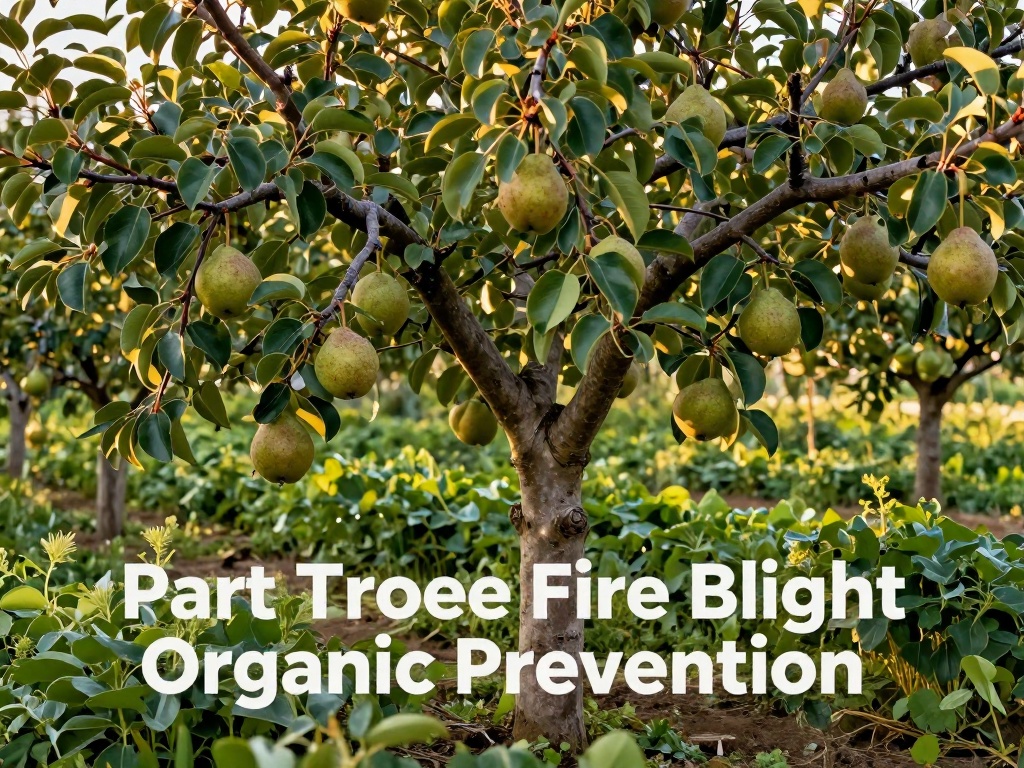
Pear Tree Fire Blight Organic Prevention: 7 Proven 2024 Strategies to Save Trees
Pear tree fire blight is a destructive bacterial disease caused by Erwinia amylovora that ruins 10-20% of commercial and home pear orchards across the U.S. annually, per 2023 USDA data. For growers who avoid synthetic pesticides, reliable pear tree fire blight organic prevention is the only way to protect long-term orchard health and crop yields. This bacterial infection spreads rapidly through pollinators, rain, and wind, making proactive planning non-negotiable for any pear tree owner.
What Is Fire Blight, And Why Organic Prevention Matters
What Does Fire Blight Look Like On Pear Trees?
Fire blight earns its name from the scorched, blackened appearance it leaves on infected tree tissue. Early symptoms include wilting, brown blossoms that cling to branches long after bloom, and curved "shepherd’s crook" new shoots. As the infection progresses, oozing, sunken cankers form on branches, leaking bacterial sap that spreads to healthy trees throughout the growing season.
Why Choose Organic Prevention Over Synthetic Treatments?
Common synthetic fire blight treatments, such as the antibiotic streptomycin, have led to widespread antibiotic-resistant bacterial strains across U.S. orchards, per 2024 Cornell University extension research. Synthetic treatments also harm pollinator populations, which are critical for pear tree fruit production. Organic prevention strategies build long-term orchard resilience, avoid chemical residues, and comply with organic certification standards for commercial growers.
7 Proven Organic Prevention Strategies For Pear Tree Fire Blight
1. Plant Naturally Resistant Pear Tree Varieties
The single most effective organic prevention step is to plant fire blight-resistant pear cultivars. Cornell’s 2023 extension list of resistant varieties includes Moonglow, Harrow Sweet, and Maxine, which reduce fire blight infection risk by up to 80% compared to susceptible varieties like Bartlett or Bosc. If you already have mature susceptible trees, you can even graft resistant branches onto existing rootstock to boost long-term protection.
2. Prune Infected Tissue Immediately During Dry Weather
At the first sign of fire blight, prune infected branches 12 inches below any visible canker to remove all bacterial tissue. Only prune during dry, warm weather, as moisture helps the bacteria spread to healthy cuts. Disinfect all pruning tools between every cut with a 10% bleach solution, and dispose of infected material by burning or sending it to a landfill—never compost fire blight-infected wood.
3. Apply Beneficial Bacteria Sprays During Bloom
OMRI-listed beneficial bacteria sprays, such as Bacillus amyloliquefaciens (sold as Serenade Garden) and Pseudomonas fluorescens, outcompete fire blight bacteria for resources on pear blossoms. A 2024 University of California study found these sprays reduce fire blight incidence by 65% when applied at 10% bloom and full bloom, the highest-risk periods for initial infection.
4. Use Dormant Copper Sprays To Reduce Overwintering Bacteria
Fixed copper sprays, an approved organic treatment, kill overwintering fire blight bacteria in tree cankers when applied during late dormancy, 2-3 weeks before bud break. Ohio State University research confirms copper sprays reduce initial spring infection risk by 50%. Never apply copper after bud break, as it can cause unsightly fruit russeting that ruins marketability for commercial growers.
5. Limit Excess Nitrogen To Reduce Susceptible New Growth
Fire blight targets soft, young new growth, which is triggered by excess nitrogen fertilization. Test your orchard’s soil annually to align nitrogen applications with your local extension’s recommendations for pear trees. Avoid late-summer fertilization, which stimulates tender fall growth that is highly vulnerable to fire blight and other winter diseases.
6. Improve Orchard Air Circulation To Reduce Moisture Buildup
Fire blight bacteria thrive in warm, wet conditions that linger on tree foliage. Thin your pear tree’s canopy annually to improve air flow, which dries foliage within 6 hours of rain, cutting infection risk dramatically. Space new trees at least 15 feet apart to avoid overcrowding, and remove any low-hanging branches that trap moisture near the ground.
7. Remove Wild Fire Blight Hosts Near Your Orchard
Wild rosaceous trees, including hawthorn, crabapple, and wild quince, are common fire blight hosts that can spread bacteria to your pear orchard. The USDA recommends removing all wild host trees within 500 feet of your orchard to eliminate a persistent infection source. If you can’t remove wild hosts, monitor them closely for fire blight symptoms and treat them with the same organic prevention strategies as your pear trees.
Frequently Asked Questions
Can I reverse fire blight damage once my pear tree is infected?
You cannot reverse tissue damage from existing fire blight infections, but you can stop the disease from spreading to the rest of the tree and surrounding orchard. Catching symptoms early and following proper pruning and treatment protocols reduces the risk of the infection killing your entire pear tree.
Are organic fire blight prevention methods safe for pollinators?
Yes, all the organic strategies outlined in this guide are safe for bees and other pollinators when used as directed. Beneficial bacteria sprays, copper sprays applied before bloom, and cultural practices do not harm beneficial insects, unlike synthetic antibiotic treatments that have been linked to pollinator population decline.
How often do I need to reapply organic fire blight preventatives?
Most preventative sprays are applied once during dormancy, twice during bloom (at 10% bloom and full bloom), and once after petal fall if your region is experiencing high-risk conditions (warm, rainy spring weather). You can adjust your schedule based on your local county extension’s annual fire blight risk forecast for your area.
No comments