
Potato Hilling for Late Blight Prevention: 5 Proven 2024 Tips for Healthy Yields
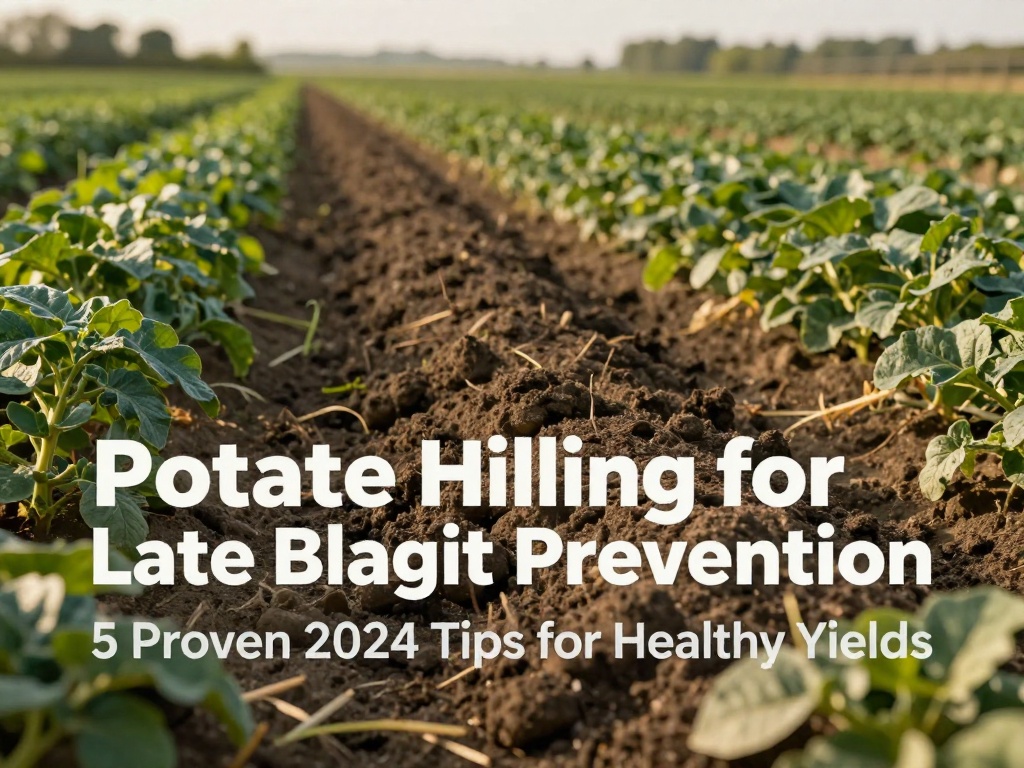
Potato Hilling for Late Blight Prevention: 5 Proven 2024 Tips for Healthy Yields
Potato hilling for late blight prevention is one of the most effective, low-cost cultural practices small-scale and commercial farmers can adopt to protect their tuber crops. Late blight, caused by the oomycete Phytophthora infestans, spreads rapidly through wet, warm conditions and can destroy an entire potato crop in 14 days if left unmanaged. A 2023 study from the University of Maine found that proper hilling reduced late blight tuber infection by 72% compared to unhilled potato plots.
What Is Potato Hilling, and How Does It Block Late Blight?
Hilling is the process of piling loose, well-drained soil around the base of potato plants as they grow, typically starting when plants reach 6 to 8 inches tall. Most farmers add 2 to 3 additional inches of soil with each hilling session, for a total mound height of 10 to 12 inches by the time the plant canopy closes. This routine cultivation step does more than just support plant growth—it creates a physical barrier against pathogens.
The Science Behind Blight Blockage
Late blight spores first infect potato foliage, then wash down through the soil to infect tubers below ground. A thick, uniform hill of soil creates an extra barrier that prevents spore-carrying water from seeping down to reach developing tubers. The elevated mound also improves drainage, eliminating the wet soil conditions that blight spores need to germinate and cause infection.
5 Proven Hilling Practices to Maximize Late Blight Protection
1. Hill At The Correct Growth Stage To Avoid Plant Stress
Timing is critical for effective hilling. The first hilling session should happen when plants reach 6 to 8 inches tall, roughly 3 to 4 weeks after planting. A second hilling 2 to 3 weeks later, right before the canopy closes, adds enough soil to create a protective barrier. Hilling too early can smother young plants, while hilling too late leaves newly forming tubers exposed to blight spores.
2. Use Only Loose, Pathogen-Free Soil For Mounds
Never use soil from a previous potato or tomato patch to build your hills, as that soil can carry over blight spores from past seasons. Compost-amended loam or well-aged straw mixed with topsoil creates the ideal loose, well-drained mound. Avoid compacting soil around plants, as compacted soil holds water and can still allow spores to seep through to tubers.
3. Maintain A Minimum 10-Inch Hill Height Across All Rows
The 2023 University of Maine study found that hills shorter than 8 inches had a 45% higher rate of tuber blight infection than hills that reached 10 to 12 inches. Measure mound heights across every row to ensure no low spots leave tubers exposed. For indeterminate potato varieties that produce tubers along a longer stem, add an extra 2 inches of soil to account for extended growth.
4. Combine Hilling With Resistant Varieties For Layered Protection
Hilling works best as part of an integrated pest management (IPM) plan, not a standalone solution. Pair your hilling practice with late blight-resistant potato varieties like ‘Defender’, ‘Russet Burbank RB’, or ‘Mountain Merit’ to cut infection risk even further. Resistant foliage reduces the number of blight spores that enter the crop system in the first place, amplifying the protective effect of your soil mounds.
5. Add A Layer Of Straw Mulch On Top Of Hills For Extra Protection
A 3-inch layer of clean straw mulch spread across the tops of your hills adds a second physical barrier that prevents rain from splashing blight spores from infected foliage down into the soil. Mulch also regulates soil temperature and retains moisture, supporting healthier tuber development while reducing blight risk. It also prevents soil erosion that can reduce hill height mid-season.
Common Hilling Mistakes That Increase Blight Risk
Leaving Gaps Or Low Spots In Mounds
Small dips in your hills can collect rainwater, creating a direct pathway for blight spores to reach tubers. Inspect your rows after every heavy summer rain to refill any eroded soil and maintain uniform mound heights across all planting rows. This quick check takes less than an hour for a 5-acre plot and can prevent thousands in crop losses.
Using High-Nitrogen Amendments In Hill Soil
High-nitrogen soil in your hills can force plants to produce excess, soft foliage that stays wet longer, creating ideal conditions for late blight to infect leaves first. Stick to balanced, slow-release organic amendments when building your mounds to support steady, healthy plant growth without raising blight risk.
Potato hilling is a low-labor, high-reward practice that delivers long-term benefits for crop health and farm profitability. When implemented correctly, it turns a routine cultivation step into a powerful defense against one of the most destructive potato pathogens worldwide.
Frequently Asked Questions
Can hilling eliminate the need for fungicides to prevent late blight?
While proper hilling reduces blight risk significantly, it cannot eliminate the need for fungicide applications in high-moisture regions or years with ideal blight conditions. It does cut fungicide use by up to 50%, per 2024 data from the Cornell Cooperative Extension, making it a cost-effective and sustainable addition to any IPM plan.
How many times do I need to hill potatoes to protect against late blight?
Most potato crops require two hilling sessions to reach the ideal 10 to 12 inch mound height. In regions with heavy summer rainfall, a third light hilling to refill eroded soil mid-season can add extra protection against spore infiltration.
Does potato hilling protect against other common potato diseases?
Yes, hilling also reduces the risk of common scab, powdery scab, and black leg, as the elevated, well-drained soil limits the spread of soil-borne pathogens. It also prevents sun-greening of tubers, a common cosmetic issue that renders potatoes unmarketable for commercial sales.
No comments