
Winter Rye Cover Crop Termination Timing: 2024 Guide to Maximize Farm Yields
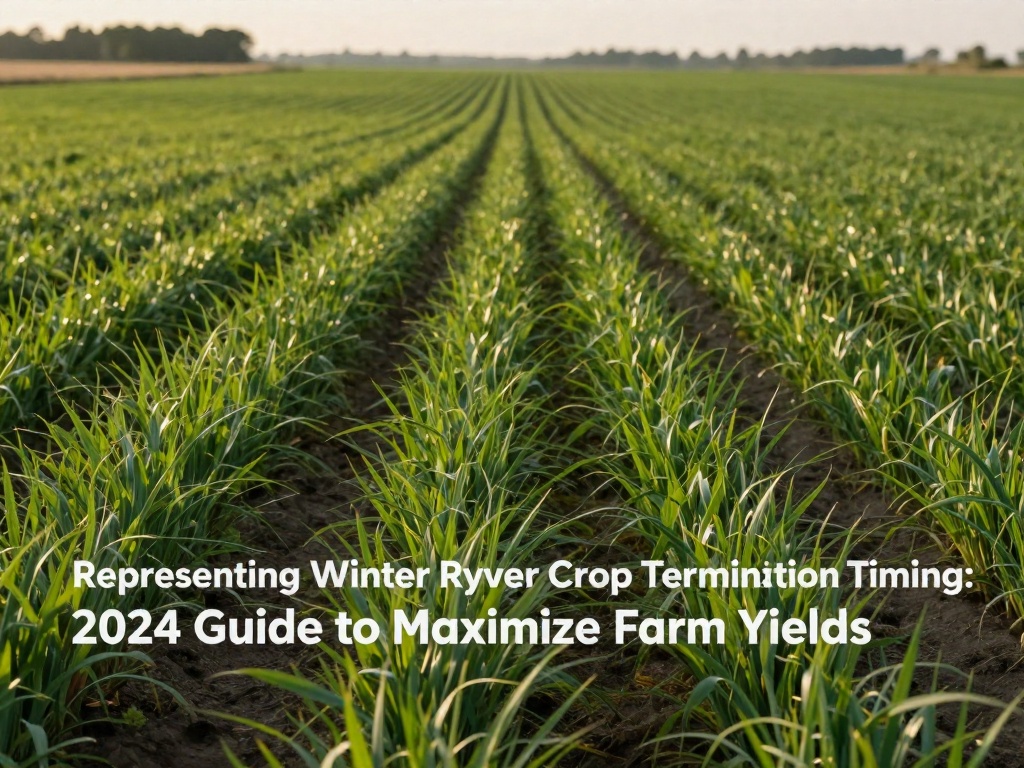
Winter Rye Cover Crop Termination Timing: 2024 Guide to Maximize Farm Yields
Getting winter rye cover crop termination timing right is one of the most impactful management decisions you can make for your farm’s long-term soil health and cash crop yields. According to the University of Illinois Extension, improper termination can reduce corn yields by up to 15% by locking away critical nitrogen or acting as a weed that competes for water and sunlight. That’s a costly mistake for small and large-scale operations alike.
Why Termination Timing Matters for Winter Rye
Balancing Soil Benefits and Cash Crop Competition
Winter rye’s core benefits—nitrogen scavenging, erosion control, and weed suppression—all rely on it producing enough biomass to deliver those gains before it competes with your cash crop. When terminated at the right size, winter rye releases 30-50 pounds of scavenged nitrogen per acre back into the soil for your corn or soybeans to use. If left to grow too large, it begins to immobilize that nitrogen, starving your cash crop of critical nutrients early in the growing season.
Reducing Disease and Pest Risks
The USDA Natural Resources Conservation Service (NRCS) reports that late-terminated winter rye increases cereal aphid pressure in subsequent corn crops by 22% across midwestern U.S. fields. These pests can spread maize dwarf mosaic virus, leading to stunted growth and further yield losses. Terminating rye on schedule eliminates the host habitat that attracts and supports overwintering pests before your cash crop emerges.
Optimal Termination Timing by Region and Cash Crop
Corn Planting Systems
For conventional no-till corn systems, all leading midwestern university extensions recommend terminating winter rye 2-3 weeks before corn planting. This timeline gives the terminated rye biomass time to break down and release its stored nitrogen before the corn’s roots need to access those nutrients. Rye that reaches 12 inches tall before termination delivers the best balance of biomass and nutrient availability; anything over 18 inches carries a high risk of nitrogen immobilization.
Soybean Planting Systems
Soybeans are far more tolerant of later winter rye termination, per 2023 research from The Ohio State University. Conventional soybean growers can safely terminate rye up to 3 days before planting, as soybeans have a faster early growth rate that outcompetes any residual rye regrowth. Organic no-till growers using a roller-crimper can terminate rye after it reaches 50% anthesis (flowering), which creates a thick weed-suppressing mat that lasts all growing season.
Regional Adjustments
Southern U.S. growers in zones 7-9 must adjust their timeline to account for faster winter rye growth. Terminate rye 3-4 weeks before corn planting to avoid excessive biomass buildup that can clog planters and delay planting. Northern U.S. growers in zones 3-5 can terminate rye 1-2 weeks before planting, as cooler spring temperatures slow rye growth, reducing the risk of excessive biomass accumulation.
Common Termination Methods and Timing Best Practices
Herbicidal Termination
Conventional growers most often use glyphosate with a tank mix of 2,4-D or dicamba to terminate winter rye. Iowa State University research confirms this mix delivers 95%+ termination success when applied to rye that is 6-12 inches tall. Applying herbicide to smaller rye can lead to incomplete termination and regrowth, while applying to overgrown rye reduces herbicide absorption and effectiveness.
Mechanical Termination (Organic Operations)
Organic growers relying on roller-crimping must time this practice perfectly to avoid regrowth. Rye must be at 50% anthesis (when half of the rye heads have flowered) for the crimping process to kill the plant fully. Terminating too early, before anthesis, leads to 30%+ regrowth rates, turning your cover crop into an unintended weed.
Recovering From a Missed Termination Window
If you miss your ideal termination window and rye grows past 18 inches before you can terminate, apply a 50-pound per acre nitrogen side-dress 2 weeks after cash crop planting. University of Minnesota research found this practice reduces potential yield loss by up to 10% by offsetting the nitrogen immobilization caused by overgrown rye biomass.
Frequently Asked Questions
What is the latest you can terminate winter rye for corn?
For conventional corn systems, never terminate winter rye later than 5 days before planting to avoid significant yield loss. Organic systems using roller-crimping must terminate at rye anthesis, which typically falls 2 weeks pre-plant in most midwestern regions.
Can you terminate winter rye after cash crop emergence?
You can terminate winter rye up to 2 weeks after corn or soybean emergence in emergency cases, using a post-emergent herbicide labeled for that use. However, this practice carries a high risk of 5-10% yield loss due to early resource competition, so it is not recommended for routine use.
How does spring weather impact termination timing?
Cold, wet springs slow rye growth and can push your termination window back by 1-2 weeks, while unseasonably warm springs cause rye to mature 1-2 weeks faster than average. Always reference local university extension weekly crop updates to adjust your timeline for current conditions.
No comments