
Grape Canopy Pruning for Backyard Vineyards: 7 Proven 2024 Pro Tips
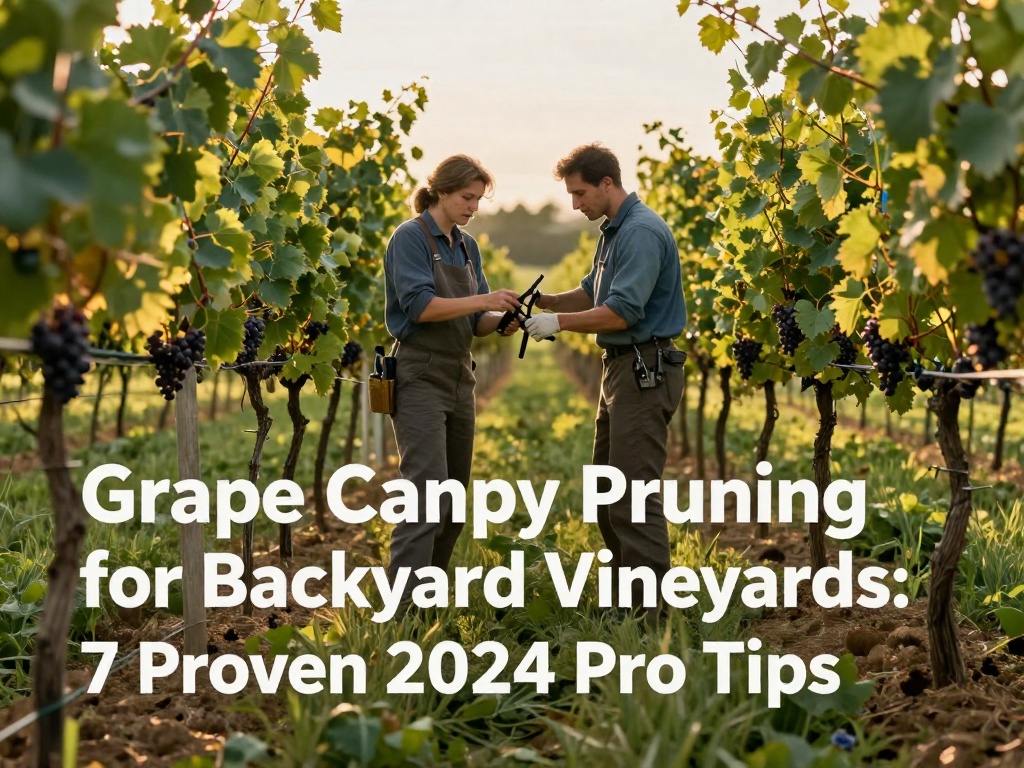
Grape Canopy Pruning for Backyard Vineyards: 7 Proven 2024 Pro Tips
Grape canopy pruning for backyard vineyards is one of the most impactful annual tasks to ensure your vines thrive year after year. Unlike large commercial vineyards that rely on machinery, backyard growers can tailor their pruning approach to their small plot’s unique needs. The University of California Agriculture and Natural Resources (UC ANR) ranks proper canopy pruning as the top practice to reduce disease risk and boost harvest sizes for home grape growers.
Why Grape Canopy Pruning Matters for Backyard Vines
Many new backyard vineyard owners overlook canopy pruning, focusing only on winter dormant pruning of main vines. A well-maintained canopy (the layer of leaves, shoots, and branches that grows above the fruit) directly impacts your vine’s health and fruit quality.
Boosts Sunlight Penetration
Overgrown canopies block sunlight from reaching ripening grape clusters. UC ANR data shows that grapes need 6+ hours of direct sunlight daily to develop the right sugar and flavor levels. Pruning removes excess shoots that shade fruit, leading to sweeter, more uniform harvests.
Reduces Fungal Disease Risk
Dense, unpruned canopies trap moisture and limit air flow, creating the perfect environment for powdery mildew and botrytis, two common grape diseases. Backyard growers who prune their canopies annually cut their risk of fungal infections by 70%, per 2023 research from Cornell University’s Small Farms Program.
Improves Overall Vine Longevity
Overgrown canopies force vines to expend energy on unnecessary leaf and shoot growth instead of root and fruit development. Regular pruning redirects that energy to sustainable, long-term vine health, extending the productive lifespan of your backyard vines by 5+ years on average.
7 Step-by-Step Pruning Tips for 2024
Follow these proven tips to prune your backyard vineyard’s canopy correctly this growing season.
1. Time Your Prune for Early Summer
Schedule your first canopy prune 3-4 weeks after bloom, which falls in early June for most temperate growing zones. A second light prune can be done in mid-August to thin new growth before grapes ripen. Avoid pruning in wet weather to reduce the risk of spreading pathogens.
2. Stick to a Single Canopy Structure
Backyard vineyards thrive with a simple single-curtain or vertical shoot positioning (VSP) canopy structure, which is easy to maintain. Avoid mixing pruning styles year over year, as this can stress your vines and lead to inconsistent growth.
3. Remove Dead or Diseased Wood First
Start every pruning session by cutting off any brown, brittle, or spotted shoots and leaves. Bag and dispose of diseased material away from your vineyard to prevent spores from spreading to healthy vines. Disinfect your pruning shears between vines to avoid cross-contamination.
4. Thin Overcrowded Shoots
Leave only 12-15 main shoots per linear foot of your vine’s cordon (the permanent main horizontal branch). Remove any weak, small shoots that grow from the base of the vine, as they will never produce quality fruit and only drain resources.
5. Maintain 12 Inches of Space Between Canopy Layers
Ensure there is at least one foot of open space between the top of your grape clusters and the upper layer of canopy leaves. This gap supports air flow and keeps fruit from staying damp after rain or morning dew.
3. Avoid Over-Pruning Young Vines
Vines under 3 years old need their full canopy to build strong root systems. Only remove dead or severely overgrown growth from young vines, and wait until their fourth growing season to implement full annual canopy pruning.
7. Seal Large Pruning Wounds
If you remove any branch larger than 1 inch in diameter, seal the cut with a vine-safe pruning sealer. This prevents pests and pathogens from entering the vine’s open wound, which is critical for long-term health.
Common Pruning Mistakes to Skip
The most frequent mistake new backyard growers make is pruning too late in the season, which can delay ripening and lead to split grapes. Another common error is leaving too many shoots to “maximize” harvest, which instead leads to small, sour fruit and increased disease risk. Always stick to the recommended shoot count for your vine’s age and size.
Frequently Asked Questions
When is the worst time to prune grape canopies in backyard vineyards?
Pruning within 4 weeks of your expected harvest date is the worst time to cut canopy growth. Removing leaves late in the season can expose ripening grapes to sunscald and disrupt sugar development, ruining your harvest.
How much of the canopy should I remove each year?
For mature, healthy vines, you can remove up to 30% of the total canopy growth each year. Never remove more than half of the canopy, as vines need enough leaves to photosynthesize and support root and fruit growth.
Can I use regular garden shears to prune grape canopies?
Sharp, bypass pruning shears work perfectly for canopy pruning, as they make clean cuts that heal quickly. Avoid using dull anvil shears, which can crush vine stems and create open wounds that are vulnerable to infection.
No comments