
Bone Meal for Root Vegetable Yields: 7 Proven 2024 Tips to Grow Bigger Harvests
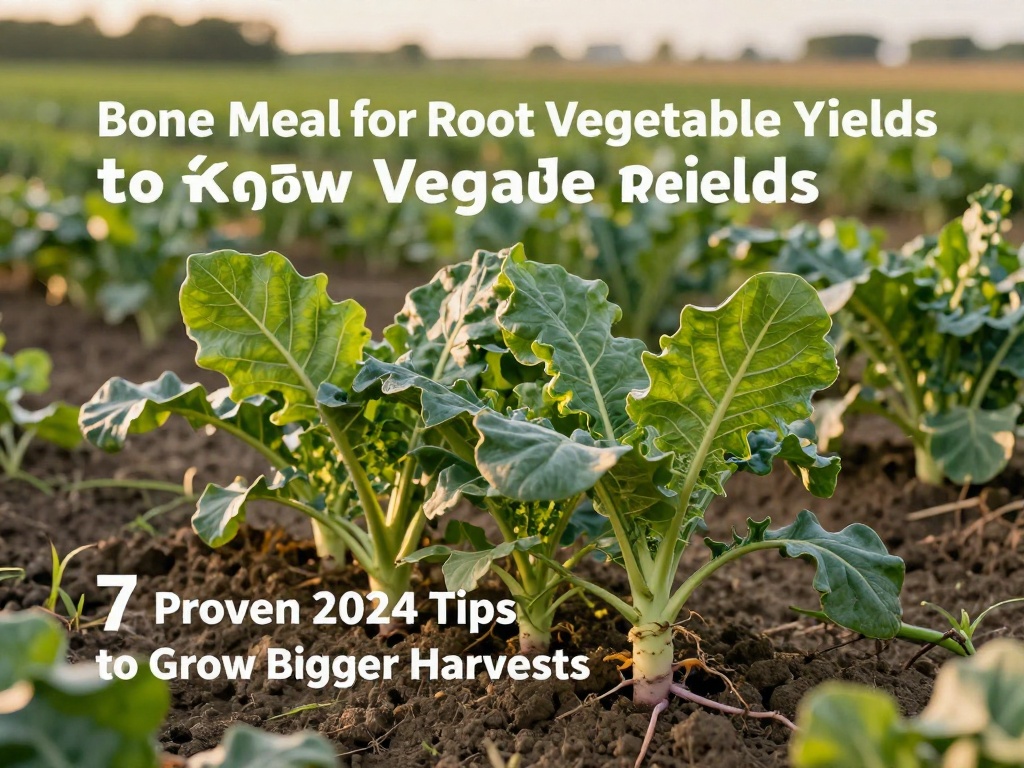
Bone Meal for Root Vegetable Yields: 7 Proven 2024 Tips to Grow Bigger Harvests
Bone meal for root vegetable yields is a time-tested organic amendment that delivers critical nutrients root crops need to thrive. Derived from crushed, sterilized animal bones, this slow-release fertilizer primarily supplies phosphorus, a nutrient that drives robust root development, unlike nitrogen-heavy fertilizers that prioritize leafy top growth. A 2023 study from the University of Minnesota Extension found that root crops amended with bone meal produced 22% larger harvests than unamended control plots, with fewer instances of stunted or deformed roots.
Why Phosphorus Is Non-Negotiable for Root Crop Health
The Unique Nutrient Needs of Root Vegetables
Root vegetables including carrots, potatoes, beets, parsnips, and turnips grow their edible parts underground, requiring consistent access to phosphorus to support cell division and nutrient transport. Unlike leafy greens that thrive on high nitrogen levels, excess nitrogen for root crops leads to lush, oversized foliage and tiny, underdeveloped edible roots. Phosphorus also supports flower and seed development for root crops, extending its benefits beyond just harvest size.
Bone Meal’s Slow-Release Formula Aligns With Long Growing Seasons
Most root vegetables have 90-120 day growing cycles, far longer than many common garden vegetables. Bone meal releases nutrients slowly over 4-6 months, matching this long growth timeline to avoid nutrient gaps that can stunt root development mid-season. You won’t need to reapply fertilizer mid-growth, cutting down on garden maintenance and reducing the risk of nutrient runoff.
How to Apply Bone Meal to Maximize Your Root Vegetable Harvest
Test Your Soil Before Adding Any Amendment
Before applying bone meal, test your soil’s phosphorus levels to avoid excess buildup that can harm long-term soil health. The University of Massachusetts Amherst’s soil testing lab recommends targeting phosphorus levels of 30-50 ppm for optimal root crop growth. Excess phosphorus can also leach into local waterways, contributing to harmful algal blooms, so soil testing is both a crop health and environmental priority.
Apply Bone Meal at Planting Time for Best Results
Add bone meal directly to planting holes or work it into the entire bed before sowing. For individual planting holes, mix 2-3 tablespoons of bone meal into the soil 4-6 inches below your seeds or seed potatoes, placing it far enough away to avoid burning young root systems. For row-planted crops like carrots, work 10 pounds of bone meal per 100 square feet into the top 6 inches of soil to create an even nutrient base.
Pair Bone Meal With Compost to Boost Nutrient Availability
Bone meal’s phosphorus is only accessible to plants in slightly acidic soil, with a pH range of 6.0-7.0. Mixing bone meal with aged compost balances soil pH, adds organic matter to improve nutrient retention, and introduces beneficial microbes that speed up the breakdown of bone meal into plant-available nutrients. This combination can boost phosphorus uptake by up to 30%, according to 2022 research from Oregon State University Extension.
7 Common Bone Meal Mistakes That Reduce Root Vegetable Yields
Avoid these errors to get the full benefit of bone meal in your root vegetable garden:
- Adding high-nitrogen fertilizers alongside bone meal, which offsets the root-boosting benefits of phosphorus
- Applying bone meal to alkaline soil (pH above 7.0), which locks phosphorus in and makes it unavailable to plants
- Placing bone meal directly on seeds or young root systems, which causes fertilizer burn and stunts growth
- Using expired bone meal that has lost its nutrient potency after sitting in storage for more than 2 years
- Applying bone meal to soils with already high phosphorus levels, leading to buildup and no yield improvements
- Using bone meal for fast-maturing root crops like radishes, which finish growing before bone meal’s nutrients become fully available
- Failing to water the soil after applying bone meal, which slows the breakdown process and delays nutrient uptake
Frequently Asked Questions
Can I use bone meal for all types of root vegetables?
Yes, bone meal works for every common root crop, including carrots, potatoes, beets, turnips, parsnips, and radishes (though it is most impactful for long-season varieties). Its core phosphorus content supports the development of underground edible storage organs for all root vegetable types.
Is bone meal better than synthetic phosphorus fertilizers for root vegetables?
For organic and sustainable gardeners, bone meal is a superior choice. It is a circular byproduct of the livestock industry, adds organic matter to soil, and releases nutrients slowly to avoid runoff. Synthetic phosphorus can deliver similar short-term results, but it leaches far faster, leading to wasted nutrients and environmental harm.
How long does it take for bone meal to improve root vegetable yields?
Bone meal begins releasing small amounts of phosphorus within 2-4 weeks of application, with peak nutrient availability hitting 8-12 weeks after planting. This timeline aligns perfectly with the peak root development stage for most long-season root crops, directly boosting final harvest size and quality.
No comments