
Gypsum Amendment for Compacted Garden Soils: 2024 Guide to Fix Hard Soil
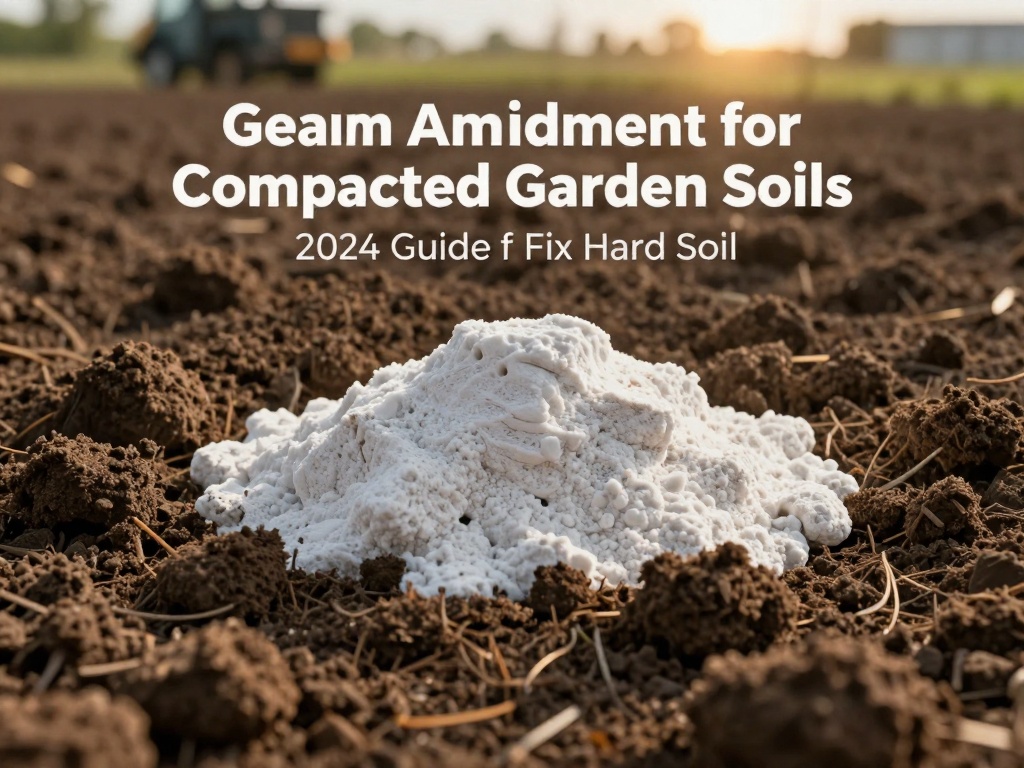
Gypsum Amendment for Compacted Garden Soils: 2024 Guide to Fix Hard Garden Soil
If you’ve ever struggled to dig into hard, clumpy dirt that pools water after every rain, gypsum amendment for compacted garden soils is a science-backed solution to restore your plot’s health. A 2023 study from the University of Minnesota Extension confirms that calcium sulfate (the technical name for gypsum) loosens dense clay soils without altering pH, making it safe for most garden plants. Unlike lime, which raises soil pH, gypsum works for acidic and neutral soils alike to break up the tight particle bonds that cause compaction.
What Causes Compacted Garden Soil?
Compaction develops when soil particles are pressed together, eliminating the pore space that air, water, and plant roots need to thrive. Common culprits include repeated heavy foot traffic, tilling wet soil, using heavy machinery on small plots, and naturally high clay content in native soil. Over time, compacted soil leads to stunted growth, root rot, and nutrient deficiencies that even high-quality fertilizer cannot reverse.
How Gypsum Fixes Compacted Garden Soils
The Science Behind Gypsum’s Soil-Loosening Power
Gypsum’s two core components—calcium and sulfate—work together to separate tightly bound clay particles. Calcium flocculates (clusters) tiny clay particles, creating larger gaps between them, while sulfate supports root development and boosts sulfur levels in deficient soils. The University of Georgia Extension found that gypsum can improve water infiltration in compacted clay soils by up to 50% within one full growing season.
Additional Benefits of Gypsum for Gardeners
Beyond loosening hard soil, gypsum offers a range of extra perks for home gardeners. It reduces soil erosion by improving water absorption, prevents nutrient runoff that harms local waterways, and provides readily available calcium to prevent blossom end rot in tomatoes, peppers, and squash. Unlike synthetic soil conditioners, gypsum is non-toxic to pets, pollinators, and beneficial soil organisms like earthworms.
How to Apply Gypsum to Your Compacted Garden
Step 1: Test Your Soil First
Before applying any amendment, test your soil to confirm gypsum is the right solution for your plot. Gypsum only delivers meaningful benefits for clay-heavy compacted soils; it will have little to no effect on sandy or already loamy soils. Local county extension offices offer low-cost soil tests that will also flag any calcium or sulfur deficiencies to address alongside compaction.
Step 2: Use the Correct Application Rate
For most home gardens, the standard application rate is 20 to 30 pounds of agricultural gypsum per 1,000 square feet of compacted soil. If your soil is extremely dense, you can double that rate for the first application without risking harm to your plants. Always use pulverized or pelletized agricultural gypsum, never drywall gypsum, which may contain harmful additives like lead or adhesives.
Step 3: Incorporate Gypsum Correctly
Spread gypsum evenly across your garden’s surface, then till or dig it into the top 6 to 12 inches of soil to ensure it reaches the primary root zone of your plants. Water the area thoroughly after application to help the gypsum dissolve and start interacting with soil particles. For established gardens where you cannot till, spread gypsum on the surface and water it in; it will gradually penetrate the soil over 2 to 3 growing seasons.
Frequently Asked Questions
Can gypsum harm my garden plants?
No, gypsum is non-toxic and safe for nearly all common garden plants when applied at recommended rates. It does not alter soil pH, so it won’t cause the nutrient imbalances that can come with over-applying lime or other pH-altering amendments. Even acid-loving plants like blueberries and azaleas tolerate gypsum applications well.
How long does it take for gypsum to work on compacted soil?
You may notice improved drainage and reduced water pooling within a few weeks of application, but full improvements to soil structure take 3 to 6 months. For severely compacted soils, you will need to reapply gypsum every 2 to 3 years to maintain its soil-loosening benefits long-term.
Is gypsum a sustainable soil amendment?
Yes, gypsum is an eco-friendly choice for gardeners. Most agricultural gypsum is a repurposed byproduct of power plant emissions control, turning a waste material into a useful input that supports soil health. It also reduces nutrient runoff, making it a sustainable choice that protects local ecosystems.
No comments