
Horse Manure Composting for Vegetable Gardens: 2024 Proven Tips to Boost Yields
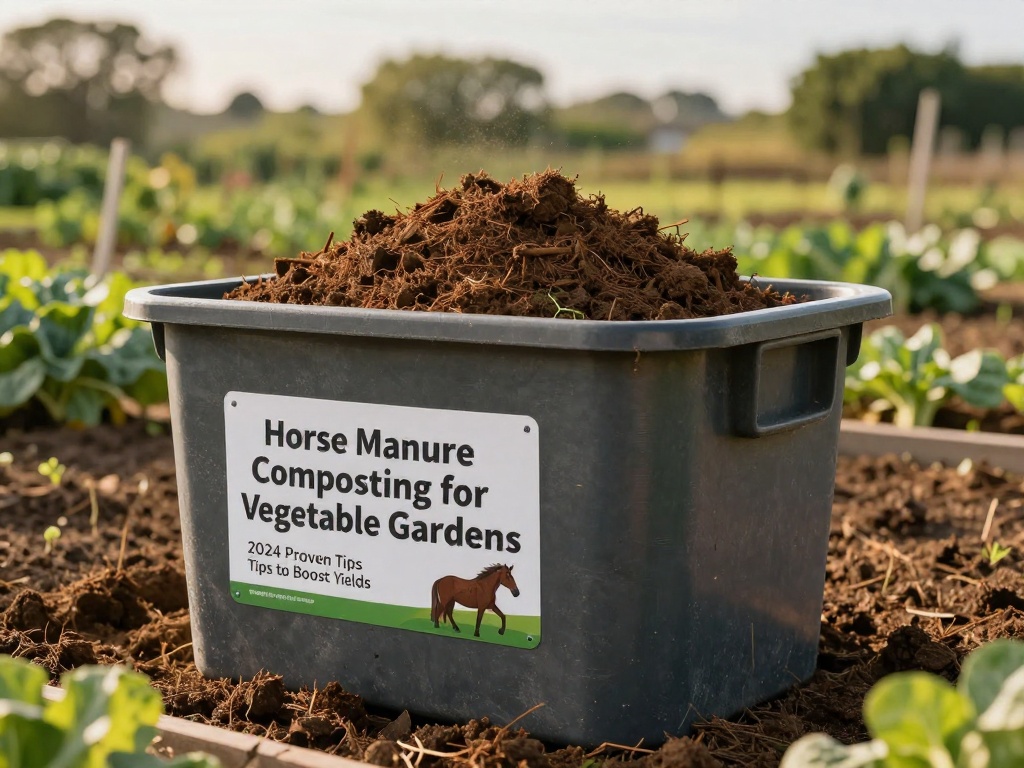
Horse Manure Composting for Vegetable Gardens: 2024 Proven Tips to Boost Yields
Horse manure composting for vegetable gardens is a low-cost, organic strategy to boost soil fertility for home gardeners and small-scale farmers across the U.S. Unlike synthetic fertilizers, properly cured horse manure adds critical organic matter, nitrogen, phosphorus, and potassium that feed vegetable plants through their entire growing season. The U.S. Department of Agriculture (USDA) reports that well-composted manure can increase vegetable yields by up to 25% while improving soil water retention by 30%.
Why Horse Manure Outperforms Other Organic Amendments
Horse manure strikes a unique balance of nutrient density and accessibility that makes it ideal for vegetable gardens. Unlike chicken manure, which is too high in nitrogen for tender young seedlings, horse manure has a milder nutrient profile that supports all growth stages. It’s also widely available from local stables, often for free or a small delivery fee, cutting garden input costs significantly.
Nutrient Profile That Supports Common Vegetables
Cured horse manure has an N-P-K ratio of roughly 1.5-1.0-1.5, which aligns perfectly with the needs of most popular vegetable crops, including tomatoes, peppers, leafy greens, and root vegetables. It also adds micronutrients like calcium and magnesium that prevent common issues like blossom end rot in tomatoes. Unlike store-bought compost, horse manure-based compost adds enough organic matter to improve heavy clay or sandy soil in just one growing season.
Low Environmental Impact for Sustainable Gardening
Composting horse manure diverts thousands of tons of waste from landfills annually, where it would release methane, a potent greenhouse gas. When used in vegetable gardens, it reduces reliance on synthetic fertilizers that can leach into waterways and cause algal blooms. The USDA notes that using composted manure instead of synthetic inputs can cut a garden’s carbon footprint by up to 18%.
Step-by-Step Guide to Safe, Effective Composting
Improperly processed horse manure can expose gardeners to pathogens and burn vegetable plants, so following best practices is non-negotiable. This simple 3-step process creates safe, nutrient-dense compost for your garden.
1. Source Clean, Chemical-Free Manure
Only collect manure from stables that do not treat horses with dewormers that leave persistent residues in manure, or use hay treated with persistent herbicides. Ask stable owners if their horses are healthy and if their bedding is free of toxic materials like pressure-treated wood. Avoid manure from horses that have eaten hay treated with aminopyralid or clopyralid, which can persist in compost and kill vegetable plants.
2. Build a Pile That Reaches Proper Temperatures
Penn State Extension recommends building a compost pile that is at least 3ft x 3ft x 3ft to retain enough heat to kill pathogens and weed seeds. Layer horse manure with brown materials like dry leaves, straw, or cardboard in a 1:3 ratio of green (manure) to brown (carbon-rich) materials. Turn the pile every two weeks, and use a compost thermometer to confirm it reaches 130-170°F for 3 consecutive days to eliminate risks.
3. Cure Compost Before Garden Application
After the hot composting phase ends, let your compost cure for an additional 3-6 months in a dry, covered location. Curing mutes any remaining strong nitrogen levels that could burn young vegetable seedlings, and allows any remaining weed seeds to break down fully. Finished compost will be dark, crumbly, and smell like earth, with no trace of the original manure.
Common Mistakes to Avoid
Even experienced gardeners make small errors that reduce the effectiveness of horse manure compost. The most common mistakes lead to plant damage or reduced yields, but they are easy to avoid with proper planning.
- Applying fresh manure: Fresh horse manure has high ammonia levels that can burn seedling roots and introduce harmful pathogens to edible crops. Never apply uncomposted manure to vegetable gardens less than 120 days before harvest.
- Skipping pile turning: Failing to turn your compost pile leads to uneven heating, leaving pockets of unprocessed manure that carry weed seeds or pathogens.
- Overapplying compost: Even well-cured compost can disrupt soil pH if applied at more than 30% of your garden’s total topsoil volume. Stick to a 2-3 inch layer of compost tilled into the top 6 inches of soil for best results.
Frequently Asked Questions
Is horse manure safe for all edible vegetable varieties?
Yes, properly cured and heated horse manure compost is safe for all edible vegetable crops. The high temperatures of the hot composting process kill harmful pathogens like E. coli and salmonella, making the compost safe for use on root vegetables, leafy greens, and fruiting crops alike.
How do I test if my horse manure compost is ready for use?
The simplest at-home test is to plant a small batch of fast-growing radish seeds in a cup of your compost. If the seeds germinate and grow into healthy seedlings within 10 days, your compost is safe to use. If seedlings fail to grow or burn, your compost needs more curing time.
Can I mix horse manure with other compost materials?
Absolutely, horse manure works well with most common garden compost materials, including kitchen scraps (vegetable peels, coffee grounds), grass clippings, dry leaves, and straw. Avoid adding meat, dairy, or oily waste to your pile, as these attract pests and do not break down evenly.
No comments