
Asparagus Bed Mulching for Winter Hardiness: 2024’s Proven Step-by-Step Guide
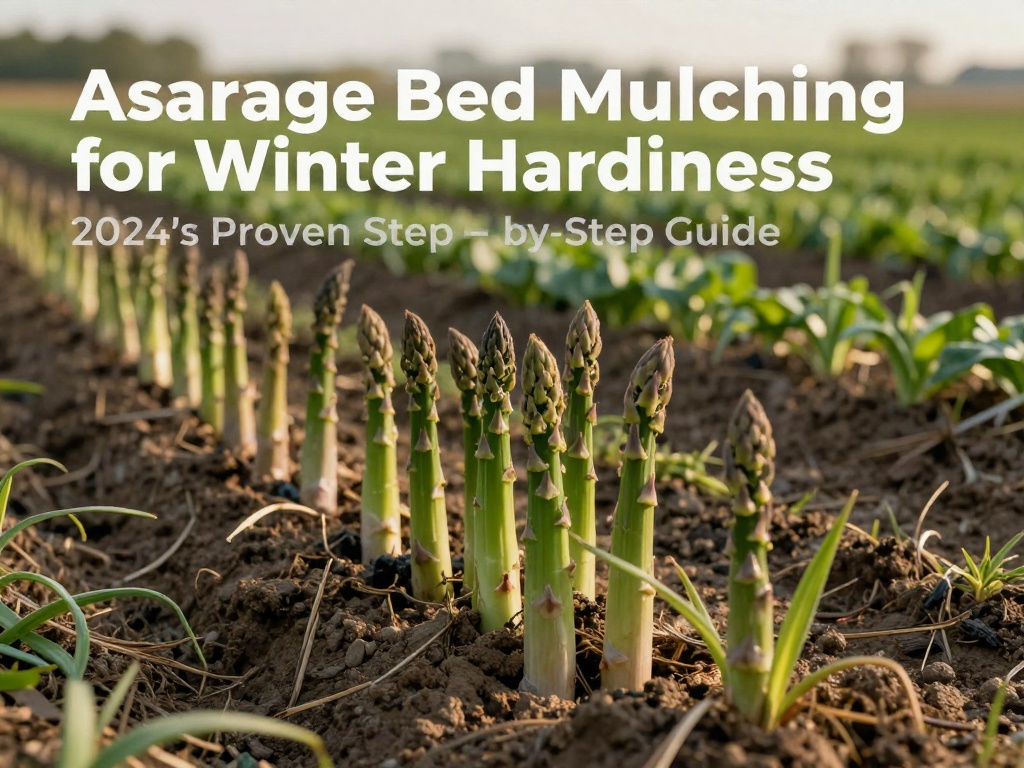
Asparagus Bed Mulching for Winter Hardiness: 2024’s Proven Step-by-Step Guide
Asparagus bed mulching for winter hardiness is a non-negotiable practice for perennial asparagus crops, which can produce reliable harvests for 10-15 years if properly cared for. Asparagus crowns, the underground root systems that produce spears each spring, are vulnerable to freeze-thaw cycles, frost heave, and extreme cold in USDA zones 6 and below. A well-executed mulch layer creates a stable insulation barrier that protects crowns from temperature swings that can kill or weaken plants.
Why Mulching Matters for Asparagus Winter Survival
The Risks of Skipping Winter Mulch
Unmulched asparagus beds face three primary threats that can cut a crop’s lifespan short. First, frost heave occurs when repeated freezing and thawing push crowns out of the soil, exposing their roots to cold and dry air. Second, extreme low temperatures (below -20°F) can penetrate uninsulated soil and damage root systems, leading to sparse or no spears in spring. Third, harsh winter winds can desiccate exposed soil, leading to root death long before the last frost.
How Mulch Stabilizes Soil Temperatures
The University of Minnesota Extension’s 2023 asparagus production guide confirms that a 4-6 inch layer of organic mulch maintains a consistent soil temperature, even when air temperatures drop well below freezing. Mulch blocks direct cold air from reaching soil, and it prevents the rapid temperature swings that trigger frost heave. It also adds organic matter to the soil as it breaks down over the winter, improving drainage and nutrient levels for the next growing season.
Step-by-Step Guide to Proper Asparagus Bed Mulching
1. Time Your Mulching Correctly
Wait to apply mulch until after the first hard frost, when asparagus ferns have turned fully brown and died back. Mulching too early, while ferns are still green, can trap excess moisture and encourage rodent infestations or fungal growth that can spread to crowns. For most temperate regions, this falls between late October and mid-November.
2. Prep the Bed Before Adding Mulch
First, cut back all dead asparagus ferns to 1-2 inches above the soil line. Remove all plant debris, weeds, and any leftover spears that didn’t get harvested, as these can host overwintering pests and pathogens. Rake the top of the soil lightly to remove any clumps, taking care not to damage the shallow crowns.
3. Choose the Right Mulch Material
The University of Illinois Extension recommends straw, shredded leaves, wood chips, or pine needles as top mulch options for asparagus winter hardiness. Avoid fresh hay, which often contains weed seeds, and plastic mulch, which traps too much moisture and can lead to crown rot. For extra cold protection in zones 4 and below, you can add a layer of straw covered by a thin sheet of landscape fabric, which you’ll remove in early spring.
4. Apply the Correct Mulch Depth
Spread a 4-6 inch layer of your chosen mulch evenly across the entire asparagus bed, covering all crowns. Don’t pile mulch too high, as excess depth can prevent spring soil warming and delay spear emergence. In the coldest growing zones (3 and below), you can increase the mulch layer to 8 inches for extra insulation against prolonged extreme cold.
5. Remove Excess Mulch Early in Spring
Rake back half of the mulch layer in early spring, once the threat of the last hard frost has passed. Leaving a thin 2-inch layer of mulch through the growing season helps retain moisture and suppress weeds, while removing excess mulch allows the soil to warm up quickly to trigger healthy spear growth.
Frequently Asked Questions
What is the best mulch for asparagus beds in cold climates?
For USDA zones 3-5, straw or shredded hardwood chips are the top choices, as they provide reliable insulation and break down slowly to add nutrients over time. Avoid light materials that can blow away in harsh winter winds, like unshredded dry grass clippings.
Can I use leaves to mulch my asparagus bed for winter?
Yes, shredded leaves make an excellent, low-cost mulch for asparagus winter hardiness. Shredding leaves prevents them from matting together and trapping excess moisture that could harm crowns, and they add high levels of organic matter to the soil as they decompose.
What if I forget to mulch my asparagus bed before the first deep freeze?
If you miss the pre-winter mulching window, you can add a layer of mulch anytime before the first deep freeze, even if light snow is already in the forecast. While it’s less effective than mulching after the first hard frost, it will still provide critical insulation against extreme cold. You can also add a layer of straw over any accumulated snow to boost protection for the rest of the winter.
No comments