
2026 Guide to Soybean Crop Rotation for Nematode Suppression: 5 Proven Tactics
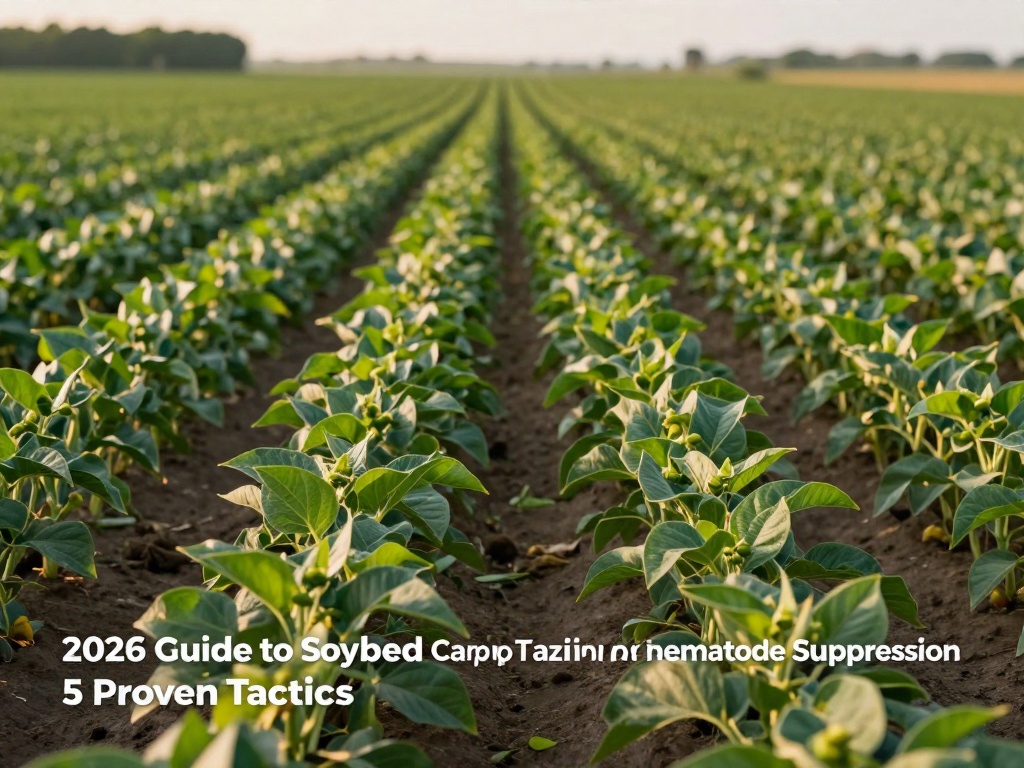
2026 Guide to Soybean Crop Rotation for Nematode Suppression: 5 Proven Tactics
Soybean crop rotation for nematode suppression is one of the most cost-effective, eco-friendly strategies to combat root-knot and soybean cyst nematodes (SCN), the leading pests that cut U.S. soybean yields by an average of 12% annually, per 2025 USDA data. Unlike synthetic chemical nematicides that can harm beneficial soil organisms, crop rotation works long-term to break pest reproductive cycles without leaving harmful residual impacts.
Why Nematodes Are a Growing Threat to Soybean Production
The Most Damaging Nematode Species for Soybean Crops
Soybean cyst nematodes and root-knot nematodes are the two most destructive species for soybean growers. These microscopic pests feed on root tissue, blocking nutrient and water uptake, and can cause up to 30% total yield loss if left unmanaged. The USDA reports that SCN alone is responsible for more than $1.5 billion in annual soybean yield losses across the U.S.
Why Chemical Nematicides Are No Longer a Reliable Solution
Many traditional chemical nematicides face growing regulatory restrictions due to their impact on soil health and non-target organisms. Even modern options cost $35 to $60 per acre on average, and SCN populations are developing resistance to common chemistries at a rate of 12% per year, per 2025 University of Illinois Extension research.
Core Principles of Effective Soybean Crop Rotation for Nematode Management
Rotation works by depriving nematodes of their only reproductive host, forcing populations to crash over time. To get consistent results, follow these non-negotiable principles.
Prioritize Non-Host Crops in Every Rotation Cycle
Non-host crops that SCN and root-knot nematodes cannot feed on include grain sorghum, sudangrass, winter wheat, sunflowers, and French marigolds. University of Illinois trials found that planting a non-host crop for one growing season reduces SCN populations by 40% on average.
Avoid Continuous Soybean Planting
Planting soybeans in the same field two years in a row, even with SCN-resistant varieties, allows nematode populations to build and eventually overcome genetic resistance. Ohio State University research found that continuous soybeans lead to 60% higher SCN pressure after three years than rotated fields.
Integrate Biofumigant Cover Crops
Add cover crops like oilseed radish, mustard, and forage turnips to rotation gaps. These crops release natural compounds that suppress nematode eggs in soil, adding an extra layer of protection beyond basic non-host rotation.
5 Proven Rotation Plans for Nematode Suppression
These rotation plans are tailored to different farm sizes, production styles, and regional conditions, validated by land grant university research across the Midwest and Great Plains.
- 1. 2-Year Beginner Rotation: Soybean → Field Corn + Cereal Rye cover crop. Ideal for new growers, this rotation cuts early-stage SCN pressure by 35% and requires minimal changes to standard corn-soybean operations.
- 2. 3-Year Mid-Tier Rotation: SCN-resistant Soybean → Field Corn → Sorghum-Sudangrass. Iowa State University trials found this plan reduces SCN populations by 55% within three growing seasons.
- 3. Organic Certified Rotation: Food-Grade Soybean → Oats → French Marigold Cover Crop → Winter Wheat. This 4-year rotation meets organic certification rules and boosts organic soybean yields by 18% on average, per University of Minnesota research.
- 4. Resistant Variety Longevity Rotation: SCN-resistant Soybean → Canola → Winter Wheat. This plan slows SCN’s ability to overcome soybean genetic resistance, extending the lifespan of resistant seed by 2.5x.
- 5. Specialty Soybean Rotation: Edamame → Sunflower → Cotton. Perfect for high-value specialty growers, this rotation adds revenue streams while suppressing nematode populations that target both soybeans and cotton.
Tips to Maximize Your Rotation’s Impact
Test your soil for SCN populations every fall to track pressure and adjust your rotation if needed. Avoid moving soil or equipment between infested and clean fields to prevent spreading nematodes. Reserve seed treatments only as a complementary measure, not a replacement for crop rotation.
Frequently Asked Questions
How long does crop rotation take to suppress nematode populations?
Most well-designed rotations reduce SCN populations by 40% within 12 months of planting a non-host crop. After two full rotation cycles, suppression can reach 70% or higher, per University of Illinois research.
Can small-acreage farmers implement this rotation strategy?
Absolutely. Small farms with 10 acres or less can use compact 2-3 year rotations that fit limited land, even interplanting marigold cover crops between rows to add suppression without sacrificing growing space for cash crops.
Do SCN-resistant soybean varieties eliminate the need for crop rotation?
No. SCN can develop resistance to even the most robust soybean varieties within 6 years of continuous planting. Rotation extends the lifespan of resistant varieties by 2-3x, making it a critical long-term investment for long-term yield stability.
No comments