
Diatomaceous Earth for Garden Slug Control: 2024’s Safe, Proven Guide
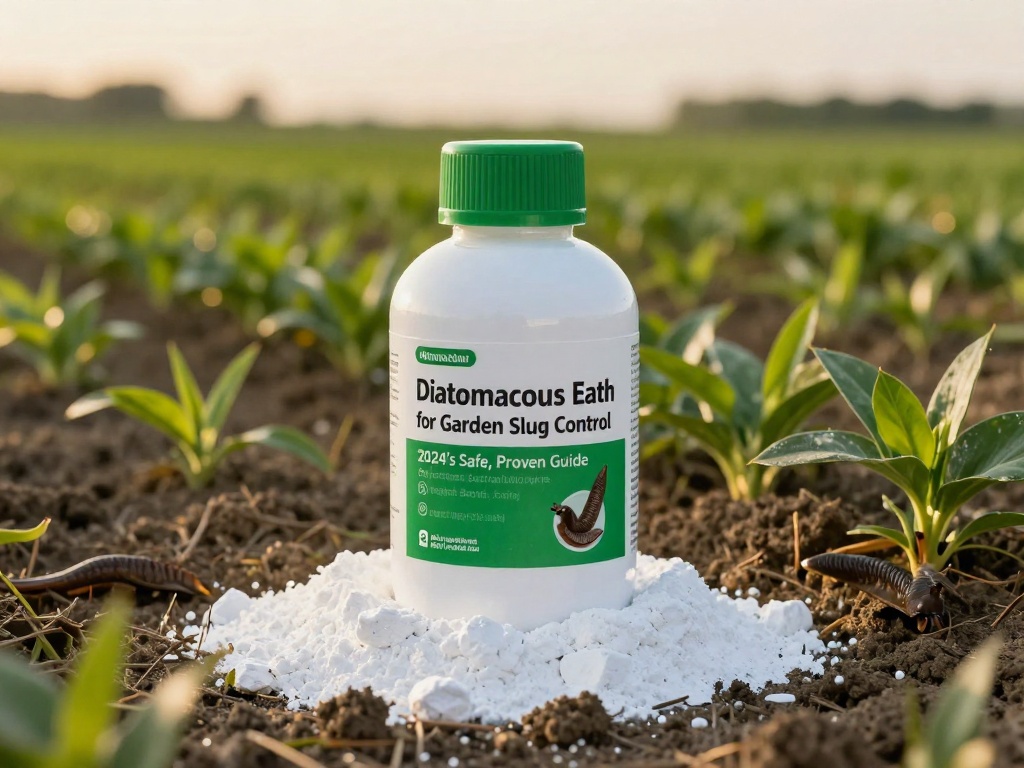
Diatomaceous Earth for Garden Slug Control: 2024’s Safe, Proven Guide
Slugs are one of the most destructive common garden pests, responsible for up to 30% of home garden leafy crop yield losses annually, per University of Minnesota Extension data. If you’re searching for an organic, pet-safe alternative to toxic chemical slug baits, diatomaceous earth for garden slug control is a proven, low-cost solution that works without harming beneficial insects. This guide breaks down how to use it effectively this growing season.
What Is Diatomaceous Earth, And How Does It Kill Slugs?
The Science Behind Its Slug-Killing Power
Food-grade diatomaceous earth (DE) is a naturally occurring substance made from the fossilized remains of tiny aquatic organisms called diatoms. Its microscopic, razor-sharp edges work mechanically to damage the soft, mucus-coated bodies of slugs, causing fatal dehydration within 48 hours of contact.
Unlike chemical pesticides, slugs cannot build resistance to DE, making it a long-term viable control option. Oregon State University Extension confirms food-grade DE is approved for use in certified organic farming, so it fits seamlessly into sustainable garden management plans.
Pool-grade DE, by contrast, is heat-treated and chemically altered, making it toxic to plants, animals, and humans, so it should never be used in any garden setting.
How To Apply Diatomaceous Earth For Maximum Slug Control
Start With Only Food-Grade DE
Always purchase only tested, verified food-grade diatomaceous earth for all garden pest control uses. This grade is rigorously tested to ensure it contains no harmful additives, making it safe to use around edible crops, pets, and children. Avoid generic unlabeled garden DE that does not list its grade clearly.
Time Applications For Dry Conditions
DE only works when it is completely dry, so wait to apply it until after morning dew has evaporated and no rain is forecast for the next 3 to 4 days. If your garden gets watered via sprinklers or heavy rain passes through, reapply DE once all surfaces dry out to rebuild its protective barrier.
Build Protective Barriers Around Vulnerable Plants
Sprinkle a thin, 1 to 2-inch wide band of DE around the base of slug-prone plants, including lettuce, hostas, strawberries, and tomato seedlings. A light dusting is all you need; thick piles can repel beneficial insects like ground beetles that also naturally prey on slugs.
You can also spread a continuous line of DE around your entire garden perimeter to block slugs from entering your growing space from surrounding lawns or wooded areas.
Common Mistakes To Avoid
Never spread DE directly on open flower blooms, as the dust can irritate the legs and wings of pollinators like bees and butterflies. Keep applications limited to the soil around plant bases to minimize exposure to beneficial garden insects.
Don’t rely on DE as your only slug control method for heavy infestations. University of California Agriculture and Natural Resources data shows combining organic pest control methods reduces failure rates by 40%. Pair DE with beer traps or copper tape to tackle large slug populations effectively.
Frequently Asked Questions
Is diatomaceous earth safe for my dogs and cats that roam the garden?
Yes, food-grade diatomaceous earth is non-toxic to dogs and cats. The only minor risk is temporary respiratory irritation if a pet inhales a large cloud of dry DE during application. To avoid this, apply DE when your pets are kept indoors, as the dust settles within 15 minutes of spreading.
How long does diatomaceous earth remain effective at killing slugs?
As long as DE stays completely dry, it remains effective indefinitely. It will stop working once it gets wet, so you will need to reapply it after every rain event or deep watering session to maintain its slug-repelling barrier.
Can I use diatomaceous earth on all my edible vegetable plants?
Yes, the USDA approves food-grade diatomaceous earth for use on all edible crops. Always wash all produce thoroughly with cool water before consuming it to remove any residual DE dust from the surface of fruits and vegetables.
No comments