
2024 Guide to Timothy Grass Seeding for Horse Pastures: 7 Proven Tips
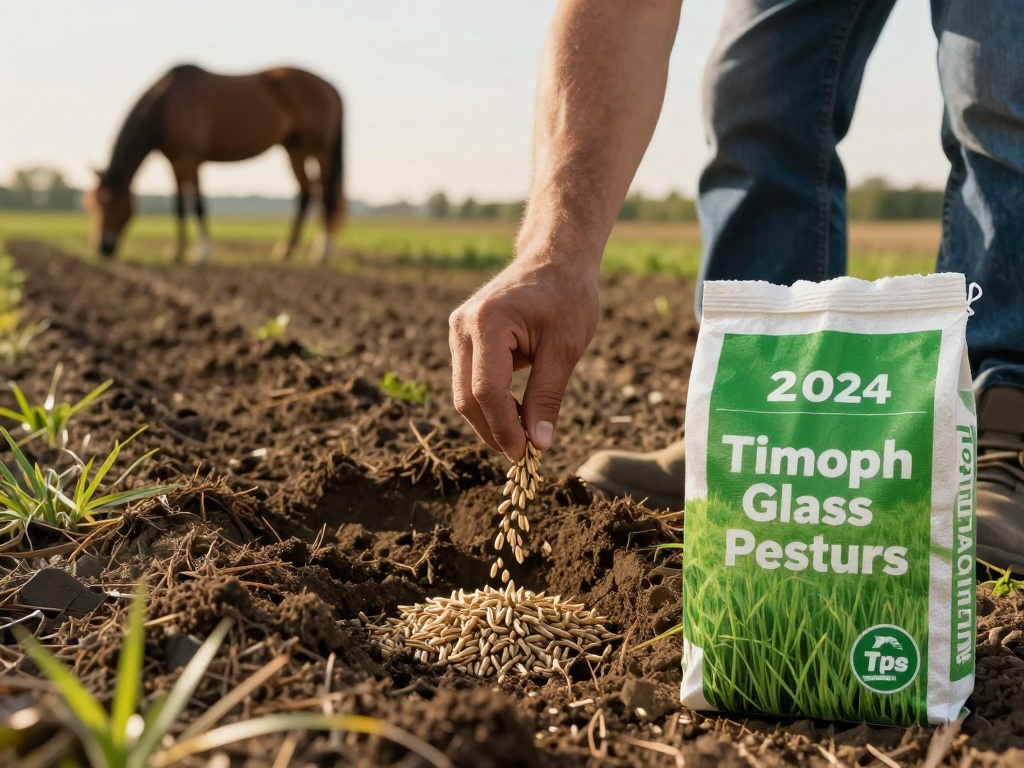
2024 Guide to Timothy Grass Seeding for Horse Pastures: 7 Proven Tips
Timothy grass seeding for horse pastures is one of the most reliable choices for equine owners looking to establish a nutrient-dense, long-lasting forage source. The University of Kentucky Extension ranks timothy as a top cool-season grass for U.S. horse operations, thanks to its low sugar content and ability to withstand heavy grazing. It aligns perfectly with the dietary needs of horses prone to metabolic conditions like laminitis and insulin resistance.
Why Timothy Grass Is Ideal for Horse Pastures
Nutritional Profile Perfect for Equine Health
Timothy grass has naturally low non-structural carbohydrate (NSC) levels, usually ranging between 10-15%, which is far lower than many common pasture grasses like fescue or ryegrass. The University of Minnesota Extension confirms this low NSC content makes it safe for insulin-resistant horses, a common issue in many breeds. It also offers high fiber that supports healthy equine digestion.
Durable Enough for Heavy Pasture Traffic
Timothy forms a dense, robust sod that withstands the constant foot traffic of horse herds, reducing soil erosion and bare patches common in overused pastures. It regrows quickly after grazing or mowing, supporting a consistent forage supply throughout the growing season. Unlike aggressive spreading grasses, it won’t overtake complementary forages planted alongside it.
Step-by-Step Timothy Grass Seeding Process
Test and Amend Soil First
Penn State Extension recommends testing pasture soil 3-6 months before seeding to correct nutrient gaps. Timothy thrives in loamy, well-drained soil with a pH between 6.0 and 7.0. Amend acidic soil with lime if needed, and add phosphorus and potassium to support root development before planting. Avoid waterlogged low-lying areas, as timothy roots rot in consistent standing water.
Plant at the Correct Time and Rate
As a cool-season grass, timothy should be seeded in late summer (August to early September) for most northern U.S. zones, or early spring (March to April) for regions with harsh, long winters. The USDA Natural Resources Conservation Service (NRCS) recommends a seeding rate of 15-20 pounds of pure live seed (PLS) per acre for pure timothy stands. For mixed stands with clover or alfalfa, use 8-10 pounds PLS per acre.
Seed at the Proper Depth for Germination
Timothy seeds are very small, so they only need to be planted ¼ to ½ inch deep to germinate successfully. Use a grain drill for uniform coverage, which reduces seed waste and improves consistency. If broadcasting seed by hand, roll the soil after seeding to ensure full seed-to-soil contact, which boosts germination rates. Timothy sprouts in 7-14 days when soil temperatures stay between 50-65°F.
Post-Seeding Pasture Care
Delay Grazing to Protect Young Seedlings
Wait to turn horses out onto a newly seeded timothy pasture until the grass reaches 8-10 inches tall, usually 60-90 days after seeding. This gives the shallow root system time to establish and avoid being pulled out by grazing horses. Limit the first grazing session to 3-5 days, and remove horses once the grass is trimmed to 4 inches to prevent overgrazing.
Maintain Pasture Health Long-Term
Implement a annual soil testing and fertilization schedule to keep timothy productive for 5-7 years. Add 50-60 pounds of nitrogen per acre in early spring to boost growth, and overseed thin patches annually to fill in bare spots. Rotate grazing herds between pastures to give timothy time to regrow between uses, extending the lifespan of your forage stand.
Frequently Asked Questions
Can I mix timothy grass with other forages for horse pastures?
Yes, mixing timothy with white clover or low-alkaloid alfalfa creates a balanced forage profile that adds protein and minerals missing from pure timothy stands. The University of Illinois Extension notes this mix also reduces the risk of bloat, a common concern with pure alfalfa pastures.
How long does a timothy grass pasture remain productive?
A well-maintained timothy pasture stays productive for 5-7 years on average. Annual overseeding of thin areas and proper grazing rotation can extend its lifespan to 10 years for small, well-managed horse farms. Thin, unproductive stands can be reseeded without full tillage to restore forage quality.
Is timothy grass safe for all horse breeds and ages?
Yes, timothy’s low NSC and high fiber content make it safe for foals, adult horses, and senior equines, including those with metabolic conditions like PPID or insulin resistance. It is also free of the toxic endophytes that can harm horses in some fescue varieties, making it a low-risk forage choice for all herds.
No comments